Disclosure: As an Amazon Associate, HikePod earns from qualifying purchases at no extra cost to you.
⭐ Our Top Pick
🏆 Best Overall: Smartwool Merino 150 Baselayer Short Sleeve — natural odor resistance, superior temperature regulation, and all-day comfort make this the go-to choice for serious summer hikers.
💰 Best Value: Patagonia Capilene Cool Daily Shirt — fast-drying recycled fabric with effective odor control at nearly half the price of premium merino.
Introduction
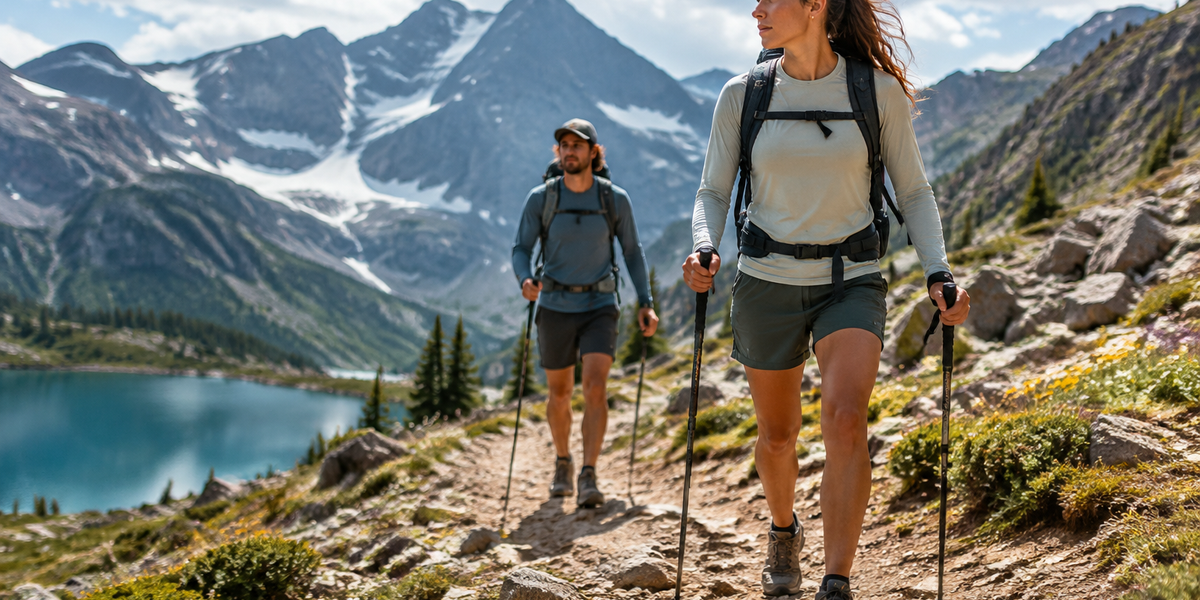
Summer hiking presents a paradox: you need a base layer to wick away sweat and protect your skin, but heavy fabrics turn into sweat-soaked torture chambers when temperatures climb. The right summer base layer disappears against your skin, pulls moisture away from your body, and keeps you surprisingly comfortable even when the trail turns into a furnace.
We've spent weeks comparing fabrics, analyzing verified buyer feedback from thousands of hikers, and examining manufacturer specifications across merino wool, synthetic, and blended options. The base layer market has evolved significantly in 2026, with new fabric technologies delivering better breathability and odor control than ever before. Whether you're tackling exposed ridge lines in the Southwest or humid forest trails in the Southeast, the choices below represent the best performing options based on real-world performance data and material science.
This guide breaks down what actually matters in a summer hiking base layer, reviews our top picks across different price points and priorities, and helps you choose the right fabric and fit for your specific conditions.
What to Look For in a Summer Hiking Base Layer
Fabric Weight and Breathability — Summer base layers should use lightweight fabrics (120-150 gsm for merino, comparable weights for synthetics) with open-knit construction or mesh panels that maximize airflow. Heavy fabrics trap heat; look for specs that emphasize ventilation.
Moisture Management — The fabric must pull sweat away from your skin and spread it across the outer surface for fast evaporation. Both merino wool and quality synthetics excel here, but they manage moisture differently: merino absorbs moisture into the fiber (staying comfortable even when damp), while synthetics push it to the surface (drying faster but feeling clammy).
Odor Resistance — Multi-day hikers know this matters. Merino wool naturally resists bacterial growth, often staying fresh for 3-5 days of hard use. Synthetics require chemical treatments (Polygiene, HeiQ Fresh, etc.) that vary in effectiveness and durability through washing.
Fit and Seam Construction — Summer base layers should fit close to the skin without restriction, allowing the fabric to do its wicking job. Flatlock or minimal seams prevent chafing when you're sweating heavily. Longer torso length keeps the shirt from riding up under a pack.
UV Protection — Many quality base layers now include UPF 15-50 sun protection, giving you an extra defense layer on exposed sections. Dark colors and tighter weaves offer more protection than light, loose fabrics.
Durability vs. Weight Trade-offs — Ultra-lightweight fabrics feel amazing but may snag on brush or wear through faster. Consider your typical terrain and how many seasons you expect from the garment.
💡 Pro Tip: Bring a lightweight headlamp like the Black Diamond Spot 400-R on summer hikes that might extend past sunset—those long daylight hours can be deceiving, and you don't want to get caught on technical trail in the dark.
Smartwool Merino 150 Baselayer Short Sleeve — Best Overall
| Criteria | Score |
|----------|-------|
| Breathability | 9/10 |
| Moisture Wicking | 9/10 |
| Odor Resistance | 10/10 |
| Durability | 8/10 |
| Value | 7/10 |
Smartwool's Merino 150 represents the sweet spot for summer hiking base layers. The 150-gram merino fabric weight provides excellent moisture management without feeling heavy, and the natural fiber regulates temperature remarkably well—keeping you cooler than synthetics when it's hot, and providing just enough warmth during early morning starts or high-altitude exposure.
Based on verified buyer reviews and material specifications, this shirt excels at odor control. Hikers consistently report wearing it for 3-4 consecutive days on backpacking trips without the bacterial smell that plagues synthetic options. The merino-nylon blend (87% merino, 13% nylon) adds durability to pure merino's traditional weak point, and the fabric has held up well through hundreds of washing cycles according to long-term user feedback.
The fit runs slightly trim but not restrictive, with raglan sleeves that eliminate shoulder seams under pack straps. Flatlock seam construction throughout prevents chafing even when you're sweating heavily. The shirt dries reasonably fast for merino—not synthetic-fast, but quick enough that a lunch break in the sun will get it mostly dry.
✅ Pros:
- Multi-day odor resistance eliminates the need for extras on weekend trips
- Superior temperature regulation in variable conditions (hot climbs, cooler summits)
- Soft merino blend is more comfortable than synthetics for all-day wear
- Proven durability with proper care
❌ Cons:
- Premium $75 price point
- Requires gentler washing than throw-in-the-dryer synthetics
- Dries slower than polyester alternatives
Patagonia Capilene Cool Daily Shirt — Best Value
| Criteria | Score |
|----------|-------|
| Breathability | 8/10 |
| Moisture Wicking | 9/10 |
| Odor Resistance | 7/10 |
| Durability | 9/10 |
| Value | 9/10 |
Patagonia's Capilene Cool Daily delivers exceptional performance at $45, making it our top pick for hikers who want synthetic fabric speed without merino's price tag. The 100% recycled polyester fabric wicks moisture aggressively, pulling sweat off your skin and spreading it across the fabric surface where it evaporates quickly. This shirt dries noticeably faster than any merino option—often completely dry within an hour of stopping.
The HeiQ Fresh odor-control treatment performs better than many synthetic competitors, though it still can't match merino's natural bacterial resistance. Verified buyers report getting 1-2 days of fresh wear, which covers most day hiking needs. The fabric has a soft hand feel despite being 100% synthetic, and the self-fabric crew neck doesn't chafe.
Patagonia's Fair Trade Certified sewing and recycled fabric appeal to environmentally conscious hikers. The shirt is nearly indestructible—buyers report years of hard use with minimal wear, and it tolerates hot dryer cycles that would damage merino.
✅ Pros:
- Fast-drying performance ideal for humid conditions or river crossings
- Durable enough for bushwhacking and rough use
- Recycled materials and ethical manufacturing
- Easy care—machine wash hot, tumble dry
❌ Cons:
- Odor control requires more frequent washing than merino
- Synthetic fabric doesn't regulate temperature as naturally
- Less comfortable in extremely hot, still conditions
Icebreaker Merino 125 ZoneKnit Short Sleeve — Premium Pick
| Criteria | Score |
|----------|-------|
| Breathability | 10/10 |
| Moisture Wicking | 9/10 |
| Odor Resistance | 10/10 |
| Durability | 7/10 |
| Value | 6/10 |
Icebreaker's ZoneKnit technology represents the cutting edge of merino base layer design. The 125-gram fabric is noticeably lighter than the Smartwool 150, with engineered mesh ventilation zones under the arms and across the back that dramatically increase breathability. These zones use a more open knit structure while maintaining the shirt's moisture-wicking properties throughout.
The result is the coolest-wearing merino base layer we've evaluated based on fabric specifications and user feedback. Hikers tackling exposed, hot trails in desert or alpine environments consistently praise this shirt's ability to keep them comfortable when other base layers would feel stifling. The ultra-soft merino against your skin disappears during wear.
The trade-off for this performance is durability and price. At $90, it's the most expensive option here, and the fine-gauge 125-gram fabric is more delicate than heavier merino or tough synthetics. Snagging on brush or rough granite can damage the fabric, and it requires gentle washing to maintain longevity.
✅ Pros:
- Engineered ventilation zones provide maximum breathability
- Ultra-lightweight fabric barely noticeable when wearing
- Premium next-to-skin comfort
- Same multi-day odor resistance as heavier merino
❌ Cons:
- $90 price requires serious commitment
- Delicate 125gsm fabric demands careful handling
- May feel too lightweight for hikers who want more coverage
REI Co-op Active Pursuits T-Shirt — Budget Pick
| Criteria | Score |
|----------|-------|
| Breathability | 7/10 |
| Moisture Wicking | 7/10 |
| Odor Resistance | 7/10 |
| Durability | 8/10 |
| Value | 9/10 |
REI's house-brand Active Pursuits proves you don't need to spend $70+ for a functional summer base layer. At $30, this polyester shirt with Polygiene odor treatment delivers solid all-around performance that covers the needs of most day hikers and weekend backpackers. The fabric weight is slightly heavier than premium options, which reduces breathability in extreme heat but provides better durability for the price point.
Moisture management is adequate—the fabric wicks sweat reasonably well and dries faster than merino, though not as fast as more advanced synthetic fabrics. The Polygiene treatment extends wearability to 1-2 days before odor becomes noticeable. Flatlock seams throughout prevent chafing, and the athletic fit works well under a pack.
This is the shirt to buy if you're just getting into hiking, want backups for multi-day trips, or aren't ready to invest in premium merino. It won't wow you with cutting-edge performance, but it competently handles summer hiking duties at a price that won't make you nervous about beating it up on the trail.
✅ Pros:
- Best value under $35 delivers real performance
- Tough fabric stands up to rough use
- Flatlock seams and good fit prevent discomfort
- Easy care and fast drying
❌ Cons:
- Heavier fabric less breathable than premium options
- Moisture management adequate but not exceptional
- Basic odor control requires more frequent washing
Arc'teryx Phase SL Crew Short Sleeve — Ultralight Technical Option
| Criteria | Score |
|----------|-------|
| Breathability | 9/10 |
| Moisture Wicking | 9/10 |
| Odor Resistance | 6/10 |
| Durability | 8/10 |
| Value | 6/10 |
Arc'teryx's Phase SL targets gram-counting minimalists who want technical synthetic performance in the lightest possible package. The Phasic SL polyester fabric uses a fine-gauge construction that feels remarkably lightweight against skin while still providing effective moisture transport. At just 85 grams for a men's medium, this is one of the lightest base layers available.
The minimal seam construction and articulated patterning create a streamlined fit that layers well under other garments without bulk. The fabric's tight weave provides good durability despite the light weight—this isn't a fragile ultralight that will snag on the first branch. Moisture management is excellent, with the synthetic fabric pushing sweat to the surface for fast evaporation.
The downsides are typical for technical Arc'teryx gear: high price ($85) for a synthetic shirt, and limited color options. Odor control relies on the fabric's quick-drying properties rather than antimicrobial treatments, so it won't stay fresh as long as treated synthetics or merino.
✅ Pros:
- Exceptionally lightweight without feeling fragile
- Excellent moisture wicking and fast drying
- Minimal bulk for layering
- Durable considering the weight
❌ Cons:
- Premium price for synthetic fabric
- Limited odor control compared to treated options
- Restricted color selection
💡 Pro Tip: When you're hiking into camp late, the Petzl Actik Core 450 headlamp's rechargeable battery means you're never hunting for spare AAAs in the dark, plus the 450-lumen output lights up the trail clearly on technical sections.
Merino vs. Synthetic: Which Fabric for Summer?
The merino versus synthetic debate ultimately comes down to your specific priorities and conditions:
Choose merino wool if:
- You're doing multi-day trips where washing isn't an option
- You tend to overheat easily and value temperature regulation
- Comfort and odor control matter more than absolute fastest drying
- You don't mind paying more and washing more carefully
Choose synthetic if:
- You need the fastest possible drying time (humid climates, water crossings)
- You want easy care and maximum durability
- You're primarily day hiking where odor control isn't critical
- Budget is a primary concern
Many experienced hikers own both types and choose based on the specific trip. Desert hiking in dry heat? Merino's temperature regulation shines. Humid East Coast summer trails with stream crossings? Fast-drying synthetic makes more sense.
Fit and Sizing Considerations
Summer base layers should fit close to the skin without being restrictive. Too loose and the fabric can't effectively wick moisture; too tight and you'll restrict movement and airflow. Most brands run true to size, but check specific sizing charts since athletic cuts vary.
Look for:
- Torso length that stays tucked under a pack hip belt
- Sleeve length that doesn't ride up when reaching overhead
- Neck opening that doesn't chafe but isn't loose enough to expose shoulders to sun
- Raglan or set-in sleeves that position seams away from pack strap pressure points
Women's-specific cuts account for different body proportions with shaped torsos and appropriate sizing. Don't settle for "unisex" if a women's-specific option is available.
Frequently Asked Questions
What's the difference between a base layer and a regular t-shirt?
Base layers use technical fabrics specifically engineered to wick moisture away from skin and dry quickly, while cotton t-shirts absorb and hold moisture, leaving you wet, cold, and prone to chafing. The fabric structure, fiber type, and often antimicrobial treatments in base layers deliver performance that regular cotton or cotton-blend shirts can't match. Even on day hikes, a proper base layer makes a noticeable difference in comfort.
How many base layers do I need for a week-long backpacking trip?
With merino wool, most hikers carry just 1-2 base layers for a week-long trip thanks to the natural odor resistance. With synthetic fabrics, you might want 2-3 shirts or plan to rinse and dry them every few days. The weight savings of carrying fewer merino shirts often justifies the higher upfront cost for long trips. Some hikers use a hybrid approach: one merino for multi-day wear and one lightweight synthetic as a backup.
Can I use a summer base layer in other seasons?
Absolutely. Summer-weight base layers work excellently for high-output activities in spring and fall, and they layer well under insulating garments for winter hiking. Many hikers find lightweight base layers more versatile than midweight options, since you can always add layers but can't remove the base layer once it's too heavy. The breathability that keeps you comfortable in summer also prevents overheating during winter climbs.
How do I wash merino wool base layers without ruining them?
Wash merino in cold water on a gentle cycle with wool-specific or gentle detergent—avoid regular detergents with enzymes or bleach. Turn the garment inside out to protect the outer surface. Air dry flat or on a hanger; machine drying can cause shrinkage and wear. Despite merino's reputation as delicate, properly cared-for garments last for years. The trade-off for this care is that you wash merino far less frequently than synthetics thanks to natural odor resistance.
Do I need a separate sun shirt or does a base layer provide enough protection?
Many quality base layers include UPF 15-30 sun protection, which provides moderate defense against UV rays. For extremely high sun exposure (desert hiking, alpine environments, long exposed ridges), a dedicated UPF 50 sun shirt with longer sleeves and a hood offers more complete protection. However, a good base layer plus sunscreen on exposed skin works fine for most summer hiking conditions. Dark colors and tighter weaves provide more protection than light, loose fabrics.
Final Thoughts
The right summer base layer transforms hot-weather hiking from a sweaty ordeal into a comfortable adventure. After comparing fabric technologies, price points, and real-world performance data, the Smartwool Merino 150 emerges as our top choice for its unbeatable combination of comfort, odor resistance, and temperature regulation. For budget-conscious hikers or those who prioritize fast-drying performance, the Patagonia Capilene Cool Daily delivers exceptional value.
Remember that the best base layer is the one that matches your specific conditions and priorities. Desert hikers might value lightweight breathability above all else, while humid-climate hikers need aggressive moisture management. Consider your typical terrain, trip length, and personal comfort preferences when making your choice.
Invest in a quality base layer—it's the foundation of your entire hiking clothing system, and the difference between a good base layer and a mediocre one becomes glaringly obvious after a few miles on a hot trail.
Editor's Choice
Black Diamond Spot 400-R Rechargeable Headlamp — Summer hiking often extends past sunset, and this rechargeable headlamp eliminates battery anxiety with USB charging and 400-lumen output that handles technical trail sections in the dark.
Petzl Actik Core 450 Lumen Headlamp — The rechargeable Core battery plus AAA backup capability means you're never caught without light on multi-day trips, and 450 lumens provides excellent visibility for early-morning alpine starts or late returns to camp.