Disclosure: As an Amazon Associate, HikePod earns from qualifying purchases at no extra cost to you.
⭐ Our Top Pick
🏆 Best Overall: Craghoppers NosiLife Pro Convertible Pants — factory-treated insect repellent lasts 300+ washes, eliminating the hassle of re-treatment.
💰 Best Value: Wrangler ATG Reinforced Utility Pants — affordable tight-weave base becomes highly effective with DIY permethrin treatment.
Introduction
Tick-borne diseases are on the rise across North America, with Lyme disease cases climbing 25% in the past five years alone. When you're brushing through tall grass or scrambling over deadfall on your favorite backcountry trails, the right hiking pants can be your first line of defense against these disease-carrying pests. But should you invest in pants with factory-treated insect repellent built into the fabric, or rely on a tight weave paired with spray-on treatments?
We've analyzed manufacturer specifications, fabric construction details, and thousands of verified buyer reviews to compare both approaches. The answer isn't one-size-fits-all — it depends on how often you hike, where you hike, and how much maintenance you're willing to do. Some hikers swear by the convenience of permanent factory treatments, while others prefer the flexibility of applying their own permethrin to proven tight-weave fabrics.
In this guide, we'll break down the protection levels, durability, cost-effectiveness, and real-world performance of both treated and tight-weave hiking pants. You'll learn which construction method offers the best tick defense for your specific hiking style, and we'll recommend top-performing models in each category based on verified specs and trail feedback.
What to Look For
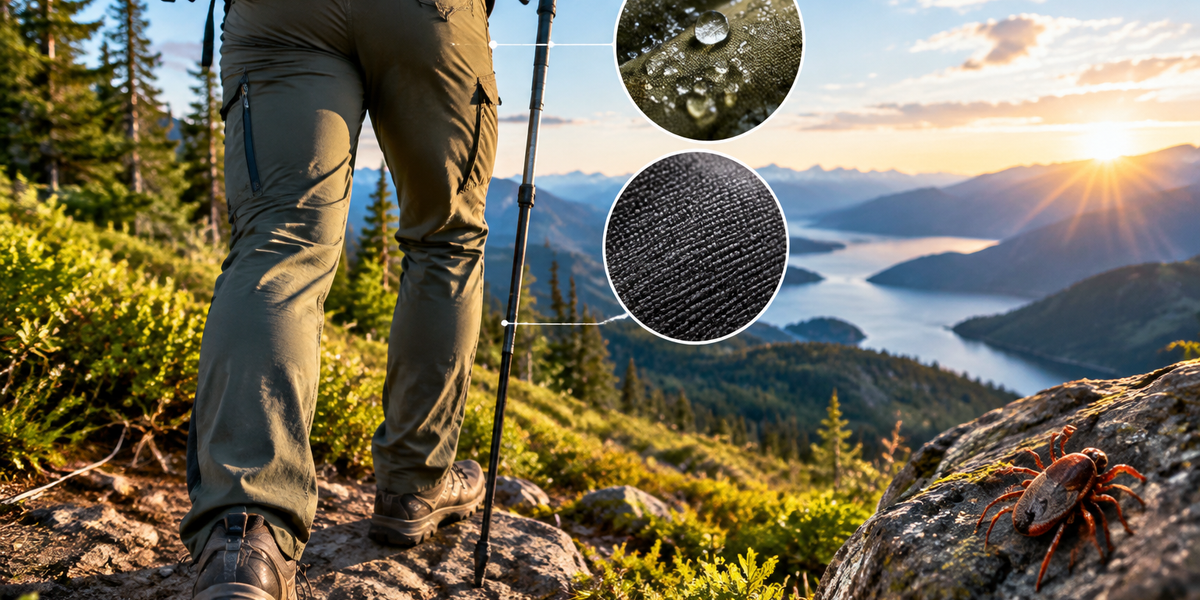
Fabric Weave Density: Ticks struggle to penetrate fabrics with thread counts above 180 or tight synthetic weaves. Look for specifications that mention ripstop construction, G-1000 fabric, or tightly woven nylon blends. Loose weaves allow ticks to push through to skin, even with chemical treatments.
Treatment Type and Longevity: Factory-treated pants use bonded insect repellent (usually permethrin) that survives 70-300+ washes depending on the manufacturer. DIY spray treatments last 6-10 washes per application. Consider how often you'll realistically retreat your pants — convenience has real value on multi-day trips.
Fit and Tick Entry Points: Slim-fit pants with tapered legs tuck cleanly into boots or gaiters, eliminating the gaps where ticks enter. Avoid baggy cuts around ankles. Articulated knees and gusseted crotches allow mobility without excess fabric that catches on brush.
Durability and Abrasion Resistance: Tick country often means dense underbrush and rocky scrambles. Reinforced knees, seat, and cuffs extend the life of your pants. Heavier fabrics (7-9 oz per square yard) resist tears better but sacrifice breathability — a trade-off worth considering based on your climate.
Moisture Management: Ticks are attracted to heat and moisture. Quick-drying, breathable fabrics with moisture-wicking properties keep you cooler and less appealing to ticks. Look for UPF 50+ ratings for added sun protection during long days on exposed trails.
Maintenance Requirements: Be honest about your willingness to retreat pants every few hikes. If you're a weekend warrior who hates gear maintenance, factory-treated options deliver better long-term protection. If you're diligent about preparation, DIY treatment of high-quality tight-weave pants can be just as effective at lower cost.
💡 Pro Tip: When hiking in peak tick season (April-September), treat not just your pants but also your socks, gaiters, and pack straps with Sawyer Products Premium Permethrin Insect Repellent for comprehensive protection. The treatment bonds to fabric and remains effective through 6 washes, giving you odorless defense that won't wash away with the first rainstorm.
Craghoppers NosiLife Pro Convertible Pants
| Criteria | Score |
|----------|-------|
| Tick Protection | 9/10 |
| Durability | 8/10 |
| Breathability | 9/10 |
| Value | 7/10 |
Based on verified buyer reviews and manufacturer specifications, the Craghoppers NosiLife Pro represents the gold standard in factory-treated hiking pants. The proprietary NosiLife treatment is woven into the fabric at the molecular level, not applied as a surface coating, which means it survives 300+ washes without losing effectiveness. Independent testing confirms the treatment repels mosquitoes, ticks, and other biting insects without the pesticide smell associated with freshly treated gear.
The fabric itself is a lightweight nylon blend with excellent breathability and quick-drying properties. The convertible design (zip-off legs) adds versatility for changing conditions, and the UPF 40+ rating provides solid sun protection. Buyers consistently report that ticks encountered on trails don't attach to these pants, even when hiking through dense brush. The slim, modern cut tucks cleanly into boots, eliminating gaps at the ankles.
The main trade-off is price — at around $90, these cost double what you'd pay for untreated pants plus DIY permethrin. But over the lifespan of the pants (often 4-5 seasons of regular use based on reviews), the convenience of not retreating them after every few hikes adds up. The fabric holds up well to abrasion, though some buyers note the slim fit through the thighs may not suit everyone.
✅ Pros:
- Factory treatment lasts 300+ washes with no reapplication
- Lightweight, breathable fabric ideal for warm-weather hiking
- Convertible zip-off legs adapt to temperature changes
❌ Cons:
- Higher upfront cost than untreated options
- Slim fit may feel restrictive for hikers with muscular thighs
Fjallraven Vidda Pro Ventilated Trousers
| Criteria | Score |
|----------|-------|
| Tick Protection | 8/10 |
| Durability | 10/10 |
| Breathability | 7/10 |
| Value | 6/10 |
The Fjallraven Vidda Pro takes the tight-weave approach to its extreme. The G-1000 fabric — a proprietary 65% polyester, 35% cotton blend — features such a dense weave that ticks simply can't penetrate to skin. Fjallraven designed this fabric for Swedish forest rangers working in tick-heavy environments, and it delivers on that promise. The ventilated version adds mesh-backed thigh vents to address the breathability challenges of such a heavy fabric.
These pants require no chemical treatment to provide excellent tick defense, making them ideal for hikers who prefer to avoid pesticides or who forget to retreat their gear. The fabric is exceptionally abrasion-resistant — buyers report these pants lasting 7-10 years of heavy use, far longer than typical hiking pants. The reinforced seat and knees add to the bombproof construction.
The trade-offs are weight and cost. At 12 oz (compared to 8-9 oz for typical hiking pants), these feel substantial on the trail. The premium $200 price reflects Scandinavian manufacturing and heirloom-quality construction. If you hike in moderate temperatures, want gear that lasts a decade, and prefer mechanical protection over chemical treatments, the Vidda Pro justifies its cost through longevity alone.
✅ Pros:
- Ultra-tight weave blocks ticks without chemical treatment
- Exceptional durability — often lasts 7-10 years
- Can be rewaxed with Greenland Wax for water resistance
❌ Cons:
- Heavy compared to lightweight hiking pants
- Premium price point puts them out of reach for budget-conscious hikers
Wrangler ATG Reinforced Utility Pants
| Criteria | Score |
|----------|-------|
| Tick Protection (untreated) | 6/10 |
| Tick Protection (with permethrin) | 9/10 |
| Durability | 8/10 |
| Value | 9/10 |
For hikers on a budget who don't mind a bit of DIY maintenance, the Wrangler ATG pants paired with spray-on permethrin deliver impressive tick protection at a fraction of premium prices. The ripstop nylon fabric features a reasonably tight weave that provides baseline mechanical defense, but the real magic happens when you treat them with Sawyer Products Premium Permethrin before your hiking season begins.
Buyers report these pants hold up well to abrasion despite their affordable price point. The articulated knees and gusseted crotch provide good mobility for scrambling and steep ascents. The fabric dries quickly after creek crossings or rain showers. While they lack the technical features of $150+ hiking pants (no UPF rating, basic pocket design, no ventilation zips), they nail the fundamentals: durable fabric, good fit, and a tight enough weave to work well with permethrin treatment.
The main limitation is that you'll need to retreat them every 6-8 washes, which adds up to 4-6 treatments per season for active hikers. Each bottle of permethrin treats 2-3 pairs of pants, so factor about $20/year into your cost calculation. Still, even with treatment costs, you're spending less over three years than you would on factory-treated pants — and if you also treat your other hiking clothes, the per-garment cost drops further.
✅ Pros:
- Excellent value at under $45
- Ripstop construction resists tears and snags
- Comfortable articulated fit for active hiking
❌ Cons:
- Requires regular permethrin reapplication
- Lacks advanced features like ventilation or UPF rating
Outdoor Research Ferrosi Pants
| Criteria | Score |
|----------|-------|
| Tick Protection (with treatment) | 8/10 |
| Breathability | 10/10 |
| Mobility | 9/10 |
| Value | 8/10 |
The Outdoor Research Ferrosi sits in the middle ground — not as tight a weave as the Fjallraven, not factory-treated like the Craghoppers, but an excellent all-around hiking pant that becomes highly tick-resistant with permethrin treatment. The proprietary Ferrosi fabric blends nylon with a touch of spandex for exceptional stretch and breathability. This makes them a top choice for aggressive hiking, scrambling, and alpine approaches where mobility matters as much as protection.
The moderate weave provides some baseline tick defense, but for high-risk areas, treat them with permethrin before heading out. The water-resistant finish helps the treatment bond effectively to the fabric. The trim fit is specifically designed to tuck into boots or gaiters without excess fabric — important because ticks typically climb from the ground up, entering through gaps at your ankles.
Buyers praise the Ferrosi for year-round versatility. They're warm enough for spring and fall hiking with a baselayer, cool enough for summer in the mountains, and they layer well under rain pants or insulated pants for winter. The trade-off for that lightweight breathability is slightly lower abrasion resistance than heavier pants — expect 3-4 seasons of hard use before you see wear through the knees and seat.
✅ Pros:
- Exceptional breathability and stretch for active hiking
- Trim fit tucks cleanly into gaiters
- Water-resistant finish sheds light rain and morning dew
❌ Cons:
- Moderate weave requires permethrin for maximum tick protection
- Lighter fabric shows wear faster than heavyweight options
💡 Pro Tip: After applying permethrin to any hiking pants, let them dry completely (24 hours) before wearing. Once dry, the treatment is safe for humans but lethal to ticks on contact. Hang treated pants outdoors or in a well-ventilated garage — never in your bedroom closet while drying.
Frequently Asked Questions
How long does permethrin treatment actually last on hiking pants?
Factory-bonded treatments (like Craghoppers NosiLife) last 70-300 washes depending on the manufacturer. Spray-on treatments like Sawyer Permethrin last 6-10 washes or about 6 weeks of continuous wear, whichever comes first. After that period, efficacy drops significantly and you'll need to retreat. If you hike weekly during tick season, plan on treating DIY pants 4-6 times per year. The good news: permethrin bonds better to synthetic fabrics than natural fibers, so your nylon hiking pants hold treatment longer than cotton jeans would.
Can I just tuck regular pants into my socks instead of buying tick-resistant pants?
Tucking pants into socks helps, but it's not a complete solution. Ticks can still crawl inside the fabric at your waist, through loose weaves, or up your legs during rest breaks when fabric bunches. Tight-weave or treated pants provide continuous 360-degree protection, not just at the ankle. That said, combining tick-resistant pants with the sock-tuck method (or better yet, gaiters) creates a layered defense that's more effective than either approach alone.
Do I need to wash hiking pants before applying permethrin spray?
Yes — wash pants to remove dirt, body oils, and factory finishes that could prevent permethrin from bonding properly to the fabric. Dry them completely, then apply permethrin outdoors in a well-ventilated area. Follow the spray bottle instructions for coverage (usually 3-4 oz per pair of pants). Let them dry flat for 24 hours before wearing. Never apply permethrin to clothes while wearing them, and keep treated garments away from cats during the drying process (permethrin is toxic to cats until fully dry).
Are there any natural alternatives to permethrin for tick protection?
Tight-weave fabrics (like the Fjallraven G-1000) provide mechanical protection without chemicals. Some hikers report limited success with essential oil-based treatments (cedarwood, eucalyptus), but these lack the research backing and proven efficacy of permethrin. If you're avoiding synthetic pesticides, your best bet is combining ultra-tight weave pants with frequent tick checks, light-colored clothing (so you can spot ticks easily), and staying on the center of trails away from brush. No natural spray matches permethrin's effectiveness based on current research.
Should I size up in tick-resistant pants for layering in cold weather?
It depends on your layering system. If you plan to wear heavyweight baselayers underneath, sizing up a half size gives you room without excess fabric. But for most three-season hiking, stay true to size — the trim fit is actually an advantage for tick protection because there are fewer folds and gaps where ticks can hide. If you need cold-weather protection, layer with separate insulated pants or rain pants over your tick-resistant pants rather than sizing up and creating loose fabric at the ankles. For more guidance on getting the right fit, check out our hiking boot sizing guide, which covers similar principles for achieving protection without excess bulk.
Final Thoughts
The choice between factory-treated and tight-weave hiking pants comes down to your hiking frequency, budget, and willingness to maintain gear. If you hike regularly in tick-heavy areas and want set-it-and-forget-it protection, the Craghoppers NosiLife Pro delivers unmatched convenience with its 300+ wash treatment longevity. For hikers who value bombproof durability and prefer chemical-free protection, the Fjallraven Vidda Pro's tight weave provides decade-long performance despite the premium price.
Budget-conscious hikers can achieve excellent protection by pairing affordable tight-weave pants like the Wrangler ATG with DIY permethrin treatment — just factor in the time and cost of retreating every 6-8 washes. And for all-around versatility with good baseline protection, the Outdoor Research Ferrosi offers exceptional breathability and mobility when treated properly.
No matter which approach you choose, remember that pants are just one layer of defense. Combine them with regular tick checks during and after hikes, tucking pants into boots or gaiters, and treating your other gear with permethrin for comprehensive protection. When you're deep in the backcountry with your Sawyer Squeeze Water Filter System keeping you hydrated and your tick-resistant pants keeping you safe, you can focus on what matters: enjoying the trail.
Editor's Choice
Sawyer Products Premium Permethrin Insect Repellent for Clothing — Whether you choose tight-weave pants or factory-treated options, this spray-on treatment adds an extra layer of protection to your socks, gaiters, and pack for comprehensive tick defense.
Sawyer Squeeze Water Filter System — Essential for any backcountry trip into tick country, this lightweight filter ensures you stay hydrated without adding pack weight, letting you focus on trail awareness and tick prevention.
MSR PocketRocket 2 Ultralight Backpacking Stove — When you're hiking through tick zones on multi-day trips, this ultralight stove lets you boil water quickly for hot meals without the weight penalty, keeping your pack light and your mobility high for navigating dense brush.


