Disclosure: As an Amazon Associate, HikePod earns from qualifying purchases at no extra cost to you.
⭐ Our Top Pick
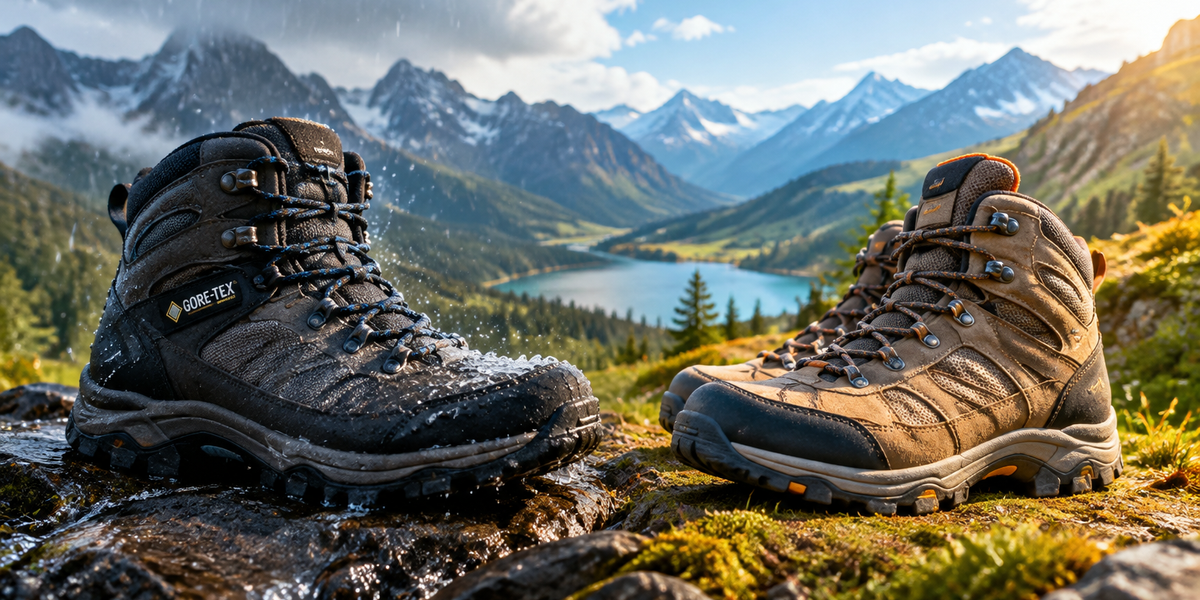
🏆 Best Overall: Salomon X Ultra 4 GTX — proven Gore-Tex protection with aggressive traction for year-round hiking in wet climates.
💰 Best Value: Merrell Moab 3 — breathable mesh construction at a lower price for hikers in dry climates who don't need waterproofing.
Introduction
The Gore-Tex versus non-waterproof debate is one of the most common questions we hear from hikers outfitting for a new season. On paper, waterproof boots seem like the obvious choice—who wants wet feet on the trail? But the reality is more nuanced. Gore-Tex and similar membranes excel in specific conditions but can trap moisture and heat in others, leaving you with soggy socks despite the "waterproof" label.
We've compared dozens of models across both categories, analyzing manufacturer specs, materials science, and thousands of verified buyer reviews to understand when each boot type delivers the best performance. The right choice depends on your climate, terrain, and hiking style—not on which technology sounds more advanced.
This guide breaks down the science behind waterproof membranes, identifies the key tradeoffs, and helps you match boot construction to your typical trail conditions. Whether you're slogging through Pacific Northwest rain or scrambling across Southwest slickrock, you'll know exactly which boot type belongs on your feet.
What to Look For
Climate and Precipitation Patterns — Gore-Tex boots shine in consistently wet environments (Pacific Northwest, Appalachian spring, alpine snowmelt season) where external moisture is the primary concern. Non-waterproof boots excel in hot, dry climates (Southwest deserts, summer Rockies above treeline) where breathability and quick drying matter more than rain protection.
Hiking Intensity and Duration — High-output activities like trail running or fast-packing generate significant foot perspiration. Even Gore-Tex's breathability has limits; on strenuous day hikes in warm weather, non-waterproof mesh boots often keep feet drier by allowing moisture to escape freely. For slower-paced backpacking with heavier loads, waterproof boots reduce the risk of blisters from external water sources.
Stream Crossings and Trail Conditions — If your typical routes involve unavoidable stream crossings, the boot decision shifts. Gore-Tex keeps feet dry through shallow crossings (up to mid-ankle), but once water overtops the cuff, the membrane traps moisture inside and extends dry time dramatically. Non-waterproof boots get soaked immediately but also dry in 2-3 hours of hiking. For multi-day trips with frequent water crossings, many experienced hikers prefer non-waterproof boots paired with quick-drying hiking socks to minimize the wet-foot window.
Break-In Time and Weight — Waterproof boots typically use thicker, less breathable materials and weigh 4-8 ounces more per pair than mesh alternatives. This translates to slower break-in periods (20-30 miles vs 5-10 miles) and measurably higher energy expenditure on long days. If you're optimizing your daypack weight, non-waterproof boots can save half a pound without sacrificing durability.
Longevity and Maintenance — Gore-Tex membranes degrade over time, especially with improper care. Dirt and body oils clog the micropores, reducing breathability long before the boot's structure fails. Non-waterproof boots have simpler construction with fewer failure points, though mesh tears more easily on abrasive terrain. Budget for DWR reapplication every 30-50 miles on waterproof boots; mesh boots need only basic cleaning.
Temperature Regulation — Waterproof membranes act as vapor barriers that slow evaporative cooling. In temperatures above 70°F, this creates a sauna effect inside the boot. Non-waterproof boots provide superior ventilation, keeping feet 5-10°F cooler in hot conditions—a significant comfort advantage on exposed, shadeless trails.
💡 Pro Tip: If you hike year-round in variable conditions, consider owning both types. Use Gore-Tex boots for spring mud season and rainy fall trips, then switch to breathable boots for summer heat and dry autumn trails. The investment pays off in comfort and foot health.
Salomon X Ultra 4 GTX (Best Waterproof)
| Criteria | Score |
|----------|-------|
| Waterproof Protection | 9/10 |
| Breathability | 6/10 |
| Traction | 9/10 |
| Weight | 7/10 |
The Salomon X Ultra 4 GTX represents the current benchmark for waterproof hiking boots, combining proven Gore-Tex construction with Salomon's trail-running-inspired agility. The two-layer Gore-Tex membrane bonded to the upper keeps feet reliably dry through rain, dew-soaked grass, and shallow stream crossings, while the Contagrip MA outsole delivers confidence-inspiring grip on wet roots and mud. The Quicklace system and reinforced heel counter provide the support needed for technical terrain without the bulk of traditional mountaineering boots. In sustained wet conditions—think Olympic Peninsula rain forests or Great Smoky Mountains spring—this boot excels. However, the waterproof membrane's breathability limitations become apparent on warm days above 65°F, where foot perspiration accumulates faster than it can escape. The X Ultra 4 GTX weighs approximately 1 lb 14 oz per pair (men's size 9), about 6 ounces heavier than comparable non-waterproof models.
✅ Pros:
- Gore-Tex membrane provides reliable protection in rain and stream crossings up to ankle depth
- Aggressive Contagrip outsole with deep lugs handles technical, muddy terrain confidently
- Quick-pull lacing system speeds up adjustments on the trail and reduces pressure points
❌ Cons:
- Breathability suffers in warm weather—feet can get swampy from internal moisture on hot days
- Once water overtops the boot collar, the waterproof membrane traps moisture inside and extends drying time to 12+ hours
Merrell Moab 3 (Best Non-Waterproof)
| Criteria | Score |
|----------|-------|
| Breathability | 9/10 |
| Quick-Dry Performance | 8/10 |
| Weight | 8/10 |
| Waterproof Protection | 2/10 |
The Merrell Moab 3 has earned cult status among hikers in arid climates for good reason: its breathable mesh and synthetic upper delivers ventilation that waterproof boots simply cannot match. Air circulates freely around the foot, keeping temperatures lower and reducing perspiration-related blisters on long, hot days. The Vibram TC5+ outsole provides adequate traction on dry to moderately loose terrain, though it lacks the aggressive lug pattern needed for mud. At 1 lb 8 oz per pair (men's size 9), the Moab 3 saves nearly half a pound compared to Gore-Tex alternatives—a meaningful difference over 15+ mile days. The tradeoff is obvious: this boot offers zero protection against rain or wet grass. Dew-soaked morning trails will soak your feet within minutes. However, the mesh construction also means the Moab 3 dries remarkably fast—typically 2-3 hours of continued hiking, versus 12-24 hours for waterproof boots that get swamped. For desert hiking, summer alpine routes, and any conditions where precipitation is rare and temperatures regularly exceed 75°F, the Moab 3's breathability advantage outweighs its vulnerability to moisture.
✅ Pros:
- Highly breathable mesh uppers keep feet significantly cooler in hot conditions than waterproof alternatives
- Dries in 2-3 hours of active hiking after stream crossings or rain exposure
- Lighter weight (1 lb 8 oz per pair) reduces fatigue on long days and improves agility
❌ Cons:
- Zero protection against rain, dew, or wet grass—feet get soaked immediately
- Mesh construction can trap fine dust and sand on desert trails, requiring frequent cleaning
La Sportiva Spire GTX (Best Hybrid)
| Criteria | Score |
|----------|-------|
| Waterproof Protection | 8/10 |
| Breathability | 8/10 |
| Durability | 9/10 |
| Price-to-Performance | 6/10 |
La Sportiva's Spire GTX attempts to bridge the Gore-Tex breathability gap with Gore-Tex Surround technology—a construction that places waterproof membrane panels strategically while leaving mesh zones around the midsole for 360-degree ventilation. This hybrid approach noticeably improves moisture vapor escape compared to full Gore-Tex boots, though it still falls short of non-waterproof mesh in hot conditions. The 1.8mm nubuck leather uppers provide exceptional durability and abrasion resistance on rocky, brushy trails where synthetic boots wear through prematurely. The Impact Brake System—an aggressive heel lug pattern—delivers confidence on steep descents, a feature technical hikers appreciate on exposed scrambles. At $189-$210, the Spire GTX commands a premium, but the construction quality and materials justify the cost for hikers who need waterproofing without sacrificing all breathability. This boot makes the most sense for shoulder-season hiking (spring and fall) in variable climates where you might encounter rain, snow, and warm sun on the same trip.
✅ Pros:
- Gore-Tex Surround architecture provides better breathability than traditional waterproof boots while maintaining rain protection
- Durable nubuck leather uppers resist abrasion and tearing on rocky, technical terrain
- Impact Brake System enhances downhill control and reduces knee strain on steep descents
❌ Cons:
- Premium pricing ($189-$210) puts this boot out of reach for budget-conscious hikers
- Heavier construction (2 lb per pair) and stiffer flex make it less suitable for fast-paced day hikes
Altra Lone Peak 8 (Best Trail Runner Alternative)
| Criteria | Score |
|----------|-------|
| Breathability | 10/10 |
| Natural Foot Movement | 9/10 |
| Quick-Dry Performance | 9/10 |
| Ankle Support | 4/10 |
The Altra Lone Peak 8 represents the trail-running approach to hiking footwear: ditch waterproofing entirely, maximize breathability, and accept that wet feet will dry quickly. The wide toe box (Altra's signature FootShape design) eliminates the cramped feeling of traditional hiking boots, giving toes space to splay naturally and reducing blister hot spots on long descents. The zero-drop platform (no heel-to-toe elevation difference) promotes a more natural stride, though it requires an adjustment period if you're transitioning from traditional boots. Drainage ports in the midsole actively expel water during stream crossings—you'll feel the squish for 10-15 minutes, but after an hour of hiking, the mesh uppers and MaxTrac outsole are mostly dry. At 1 lb 3 oz per pair (men's size 9), the Lone Peak 8 is notably lighter than any boot on this list, translating to less fatigue on 20+ mile days. The tradeoff is reduced ankle support and durability; this is a low-cut trail runner, not a boot, and the mesh uppers won't survive off-trail bushwhacking as long as leather alternatives. For fast-packing, thru-hiking, and any scenario where you prioritize speed and ventilation over protection, the Lone Peak 8 delivers.
✅ Pros:
- Wide toe box prevents blisters and hot spots by allowing natural toe splay
- Zero-drop platform promotes natural foot strike and stride mechanics
- Drainage ports and quick-dry mesh handle stream crossings better than waterproof boots—dries in 60-90 minutes
❌ Cons:
- No waterproof version available—feet get wet immediately in rain or dew
- Low-cut design provides minimal ankle support on uneven terrain with heavy packs
💡 Pro Tip: If you choose non-waterproof boots, pair them with gaiters for protection against trail debris, insects, and light rain. Gaiters add a layer of defense without sacrificing breathability, and they weigh just 2-4 ounces.
The Science Behind Waterproof Membranes
Gore-Tex and similar membranes (eVent, OutDry, proprietary brands) work through microporous technology: billions of tiny pores per square inch that are small enough to block liquid water droplets but large enough to allow water vapor molecules to pass through. In theory, rain stays out while foot perspiration escapes. In practice, the membrane's breathability depends on a vapor pressure gradient—moisture only moves from high concentration (inside the boot) to low concentration (outside). On humid days or when you're generating significant perspiration, this gradient weakens or reverses, and moisture accumulates inside the boot regardless of the membrane's technical capabilities.
Durable Water Repellent (DWR) coatings on the boot's outer fabric play a critical role in membrane performance. When DWR fails (after 30-50 miles of use), the outer fabric absorbs water, a phenomenon called "wetting out." The saturated fabric blocks airflow and eliminates the vapor pressure gradient, rendering the membrane effectively non-breathable. Regular DWR reapplication (via spray-on or wash-in treatments) maintains performance, but many hikers neglect this maintenance until they notice wet feet.
Non-waterproof boots bypass these physics limitations entirely. Mesh and synthetic uppers have no membrane to clog or wet out, so breathability remains consistent regardless of external conditions. The tradeoff is obvious vulnerability to liquid water, but for many trail environments, this is an acceptable compromise.
Frequently Asked Questions
Can I use non-waterproof boots in winter?
Non-waterproof boots work surprisingly well in cold, dry snow conditions where temperatures stay below freezing. Powder snow doesn't melt on contact, so it brushes off before soaking the mesh. However, once temperatures rise above 32°F or you encounter wet, slushy snow, non-waterproof boots become impractical. For winter hiking in variable conditions, insulated Gore-Tex boots provide better protection, though you'll need to manage internal moisture from perspiration with frequent sock changes.
How long does Gore-Tex last?
Gore-Tex membranes typically maintain waterproof integrity for 500-800 miles of hiking, though breathability often degrades earlier (300-500 miles) as dirt and body oils clog the micropores. Proper maintenance—regular cleaning with technical fabric wash, DWR reapplication, and avoiding prolonged storage in damp conditions—extends membrane life. Once you notice persistent wetness from internal condensation rather than external leaks, the membrane has likely lost functional breathability even if it's still technically waterproof.
Should I size up in waterproof boots?
Waterproof boots often require a half-size up compared to non-waterproof models because the less breathable construction causes more foot swelling during long hikes. The additional volume accommodates thicker socks (which improve moisture management in waterproof boots) and prevents toenail damage on descents. However, sizing varies by brand—Salomon runs narrow and true to length, while Merrell runs slightly wide. Always try boots with the sock thickness you'll actually use on the trail.
Do waterproof boots prevent blisters better than non-waterproof?
Not inherently. Blisters form from friction combined with moisture, and waterproof boots can actually trap perspiration against the skin, increasing blister risk in hot conditions. Non-waterproof boots reduce moisture accumulation through ventilation but leave feet vulnerable to external water sources. The most effective blister prevention strategy involves managing both internal and external moisture: choose boot type based on your typical trail conditions, then invest in quality moisture-wicking socks and preventive taping for hot spots. If you're dialing in your sock strategy, our guide to preventing blisters with the right hiking socks covers material and fit considerations in detail.
Can I add waterproofing to non-waterproof boots?
Aftermarket waterproofing treatments (waxes, sprays) provide limited water resistance to non-waterproof boots but cannot replicate Gore-Tex membrane performance. These treatments reduce breathability significantly—often more than an actual waterproof boot—while offering only marginal protection against sustained rain or stream crossings. If you need waterproofing, buy boots designed for it rather than attempting to retrofit mesh boots.
When to Choose Gore-Tex
Waterproof boots make sense in specific conditions:
- Consistent rain and wet trails — Pacific Northwest, Appalachian spring, tropical climates
- Alpine environments with snowmelt and stream crossings — High Sierras, Cascades, Rockies above treeline in late spring
- Cold-weather hiking below treeline — Temperatures between 20-40°F where snow is wet and precipitation is common
- Short day hikes in variable weather — When you won't be out long enough for trapped moisture to become a problem
- Trail conditions with unavoidable shallow water — Mud, puddles, wet grass where you need temporary protection
When to Choose Non-Waterproof
Breathable boots excel in different scenarios:
- Hot, dry climates — Southwest deserts, summer Sierra Nevada, any environment where daytime temps exceed 75°F
- High-output activities — Trail running, fast-packing, any hiking that generates significant perspiration
- Frequent deep stream crossings — When water will overtop boots anyway, quick-dry mesh beats waterproof membranes
- Lightweight backpacking and thru-hiking — Where every ounce matters and fast drying is prioritized
- Budget constraints — Non-waterproof boots cost $30-$60 less than Gore-Tex equivalents
Final Thoughts
The Gore-Tex versus non-waterproof decision isn't about which technology is "better"—it's about matching boot construction to your specific trail conditions and hiking style. If you spend most of your time in wet climates with frequent rain and your typical hikes last 4-8 hours, Gore-Tex boots deliver genuine value by keeping feet dry when external moisture is the primary challenge. But if you hike in hot, dry conditions or cover big miles where weight and breathability matter more than rain protection, non-waterproof boots will keep your feet more comfortable across a longer season.
The best approach for year-round hikers in variable climates? Own both types. Use waterproof boots for spring mud season and rainy fall trips, then switch to breathable mesh for summer heat and dry autumn trails. The investment pays dividends in foot health and trail comfort, and you'll extend the life of both pairs by using each in its ideal conditions.
Before you lace up, consider the complete picture: your typical hiking season, average trail conditions, and personal tolerance for wet feet. Match the boot to the environment, not the marketing. Your feet will thank you.
Editor's Choice
Salomon X Ultra 4 GTX — proven Gore-Tex waterproofing with technical traction for hikers in wet climates who need reliable rain protection.
Merrell Moab 3 — breathable mesh construction at an accessible price for desert and summer hiking where ventilation trumps waterproofing.
Altra Lone Peak 8 — lightweight trail runner design with wide toe box for fast-packers who prioritize speed, natural foot movement, and quick-dry performance.