Disclosure: As an Amazon Associate, HikePod earns from qualifying purchases at no extra cost to you.
⭐ Our Top Pick
🏆 Best Overall: ENO DoubleNest Hammock — the gold standard for comfort, durability, and packability that works perfectly for solo sleepers or couples.
💰 Best Value: Wise Owl Outfitters Hammock — delivers reliable performance at under $25, making it the perfect entry point for hammock camping beginners.
Introduction
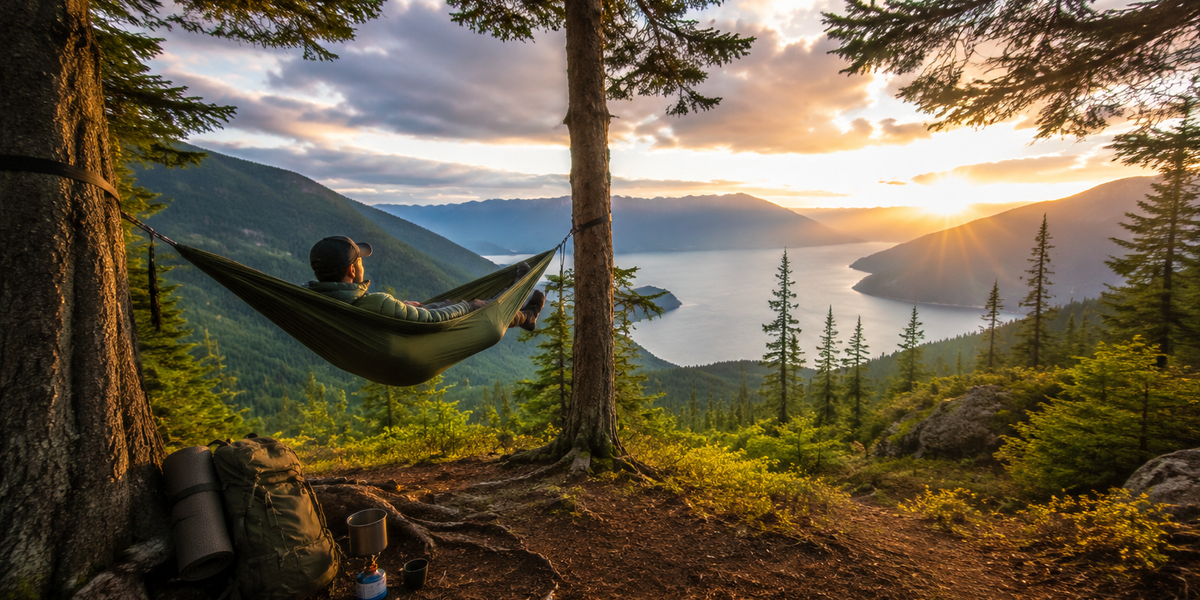
If you've ever watched enviously as a fellow hiker swings gently between two trees while you wrestle with tent poles on rocky ground, it's time to join the hammock camping revolution. We've spent hundreds of nights suspended in the backcountry, and we're here to tell you that hammock camping offers something special: the ability to camp comfortably on terrain where tents simply can't go, all while carrying less weight on your back.
The learning curve for hammock camping is gentler than you might think. Once you master a few key techniques—proper hanging angle, the right insulation strategy, and Leave No Trace suspension methods—you'll wonder why you ever bothered with ground camping. Whether you're a weekend warrior looking to upgrade from car camping or a thru-hiker seeking to shave pounds from your base weight, this guide covers everything you need to know.
We'll walk through the essential gear, break down setup techniques that actually work in the field, and share the destinations where hammock camping truly shines. By the end, you'll have the knowledge to hang confidently on your first trip.
What to Look For in Hammock Camping Gear
Hammock Size and Weight Capacity: Single hammocks (typically 4.5' wide) work for most solo sleepers under 200 lbs, while doubles (5.5-6' wide) provide room to shift positions and accommodate larger frames or couples. Always check weight ratings—quality hammocks support 400-500 lbs, but budget options may max out at 250 lbs.
Suspension System Compatibility: Tree straps with daisy-chain loops offer the most adjustment flexibility and protect bark better than rope. Look for straps rated to at least 400 lbs per strap, with a combined length of 20+ feet to handle trees spaced far apart. Many hammocks don't include suspension systems, so budget accordingly.
Insulation Strategy: Hammocks expose your underside to wind, creating convective heat loss even when air temps feel mild. For three-season camping, you'll need an underquilt (rated 20-30°F warmer than your expected low) or a sleeping pad designed for hammock use. Top quilts replace traditional sleeping bags and nest better in hammock cocoons.
Bug and Weather Protection: Integrated bug nets save weight and setup time, though separate nets offer more versatility. For rain protection, a properly sized tarp (10-11 feet for most hammocks) with guylines and stakes is non-negotiable. We prefer hex or asymmetric tarps that provide coverage without excess weight.
Fabric Breathability and Durability: Ripstop nylon offers the best strength-to-weight ratio and dries quickly after rain. Parachute nylon (70D) works for casual use, but serious backpackers should seek 40D ripstop with reinforced stitching at stress points. Avoid cotton hammocks for overnight camping—they absorb moisture and dry slowly.
Pack Size and Setup Speed: The best hammock systems compress smaller than a football and deploy in under three minutes. Quick-release carabiners and color-coded suspension straps speed up the learning process, especially when you're racing daylight at camp.
💡 Pro Tip: Practice your hammock setup in your backyard three times before heading into the backcountry. Muscle memory matters when you're cold, tired, and losing light on the trail.
Hammock Camping Setup: The 30-Degree Rule
The most common mistake beginners make is hanging their hammock too tight. When you pull the suspension taut between trees, you create a sleeping position that curves your spine and compresses your shoulders. Instead, aim for a 30-degree angle on each suspension strap—imagine the strap forming the hypotenuse of a triangle where the tree is one side and an imaginary horizontal line is the base.
Step-by-Step Setup Process
- Scout appropriate anchor trees: Look for healthy trees 12-15 feet apart with 6+ inch diameters. Avoid dead trees, widow-makers overhead, and flood zones near water.
- Position straps at eye level: Wrap each tree strap around the trunk at 5-6 feet high. Higher mounting points create steeper angles that focus pressure on your tailbone.
- Create the 30-degree sag: Clip your hammock to the straps, then adjust until each side drops 30 degrees from horizontal. When properly hung, the hammock should sag about 1.5-2 feet at center.
- Test the diagonal lay: Climb in and position yourself at a 10-15 degree angle to the hammock's centerline. This diagonal position flattens the fabric and aligns your spine naturally.
- Adjust as needed: Your hips should sink lowest in the hammock, with your head and feet slightly elevated. Fine-tune strap length until you can lie flat without feeling banana-shaped.
For rain protection, pitch your tarp first using a ridgeline tied slightly higher than your hammock suspension points. This ensures water runs away from your hammock rather than pooling on top of it. The Sawyer Squeeze Water Filter System should always be in your pack for any overnight trip—hammock camping often puts you near water sources, and this 3-ounce filter removes 99.9999% of bacteria.
Essential Gear Beyond the Hammock
Underquilts vs. Sleeping Pads
| Criteria | Underquilt | Sleeping Pad |
|----------|------------|-------------|
| Warmth Efficiency | 9/10 | 6/10 |
| Setup Complexity | 7/10 | 9/10 |
| Weight | 6/10 | 8/10 |
| Cost | 4/10 | 7/10 |
Underquilts suspend beneath your hammock and trap dead air space without compressing under your weight—the same principle that makes down jackets warm. They're purpose-built for hammock camping and deliver superior warmth, but quality underquilts start at $150-200. Sleeping pads offer a budget-friendly alternative and work adequately in temperatures above 40°F, though they tend to slide around during the night and create pressure points.
✅ Pros of Underquilts:
- No compression means consistent insulation all night
- Eliminates the "cold butt syndrome" of sleeping pads
- Allows unrestricted movement without pad slippage
❌ Cons of Underquilts:
- Significant upfront investment
- Adds bulk and weight compared to minimalist setups
- Learning curve for proper attachment and adjustment
Rain Tarps and Guyline Management
A good tarp transforms your hammock from fair-weather fun to four-season shelter. We recommend 10x10 foot silnylon tarps for most hammock widths—they provide adequate coverage without carrying excess material. Hexagonal tarps save weight while maintaining weather protection, though rectangular tarps offer more configuration options.
Your guyline system matters more than most beginners realize. Use reflective cord so you don't clothesline yourself during midnight bathroom runs, and practice these three essential pitches before your trip:
A-frame pitch: The default configuration for moderate rain, creating a peaked roof that sheds water to both sides.
Storm pitch: Lower the tarp sides almost to ground level and stake out extra guylines for wind protection during heavy weather.
Porch mode: Pitch one end high for a covered vestibule area where you can cook or gear-sort in rain.
💡 Pro Tip: Always pack 50 feet more guyline than you think you need. Tree spacing varies wildly, and backup line saves trips when you're dealing with awkward anchor points or damaged cordage.
Best Hammock Camping Destinations
Great Smoky Mountains National Park, Tennessee/North Carolina
The Smokies offer 800+ miles of trails through mature hardwood forests perfect for hammock camping. Backcountry sites like Icewater Spring Shelter and Mt. Collins provide designated hammock camping areas with bear cables and tree-friendly hanging zones. Spring (April-May) delivers mild temperatures and fewer bugs, while fall foliage (mid-October) creates stunning canopy views from your suspended vantage point.
Superior Hiking Trail, Minnesota
This 310-mile trail along Lake Superior's north shore features abundant birch and cedar trees ideal for hammock suspension. Designated campsites every 5-8 miles include hanging bars specifically installed for hammock campers. The trail's moderate elevation changes suit beginners, and Superior's cooling breezes keep mosquitoes manageable even in summer.
Adirondack Park, New York
With 2,000+ miles of trails and 42 High Peaks, the Adirondacks provide endless hammock camping options. The High Peaks Wilderness restricts camping above 3,500 feet, but lower-elevation zones offer excellent tree coverage. Target September after Labor Day for peak foliage and reduced crowds. The park's Leave No Trace regulations specifically permit hammock camping with proper tree protection.
Green Mountain National Forest, Vermont
The Long Trail's 272 miles pass through classic New England forests where hammock camping thrives. Primitive camping is permitted throughout most of the forest, giving you flexibility to hang wherever the sunset looks best. Mid-June through September offers the most reliable weather, though spring and fall provide solitude worth tolerating occasional cold snaps.
Columbia River Gorge, Oregon/Washington
Old-growth Douglas fir and western red cedar create hammock heaven along the Gorge's trail network. Eagle Creek and Herman Creek trails offer established backcountry sites with permit systems that protect the resource while ensuring space for hammock hangers. Summer (July-August) delivers dry conditions ideal for learning hammock camping before tackling wetter Pacific Northwest shoulder seasons.
When you're planning multi-day trips in remote areas, having a reliable water filtration system becomes critical. The Sawyer Squeeze threads directly onto standard water bottles and processes a liter in under a minute—exactly what you need after a long day of hiking.
Leave No Trace Hammock Camping
Hammock camping inherently follows Leave No Trace principles better than tent camping—you're not compressing vegetation or creating tent pad scars. However, improper suspension systems can girdle trees and kill cambium layers. Always use tree straps at least 1 inch wide that distribute pressure across 12+ inches of bark. Never use rope, paracord, or wire that cuts into bark.
Check local regulations before hanging. Some wilderness areas restrict hammock camping to designated sites or require specific tree diameter minimums (typically 6 inches). National Park regulations vary widely—Yellowstone prohibits hammock camping entirely, while Great Smoky Mountains actively encourages it.
Position your hammock at least 200 feet from water sources, trails, and other campers. The goal is invisibility—future visitors shouldn't know you were there. Pack out all micro-trash including stake cord fragments and broken toggles that fall during tarp setup.
Hammock Camping in Different Seasons
Summer: Bug Management
Integrated bug nets become essential from May through September in most US regions. Look for no-see-um mesh (at least 500 holes per square inch) that blocks tiny biting midges, not just mosquitoes. Permethrin treatment on your hammock and tarp provides additional protection and lasts 40+ washes. Set up in breezy areas when possible—wind is your best ally against bugs.
Fall: Temperature Transitions
September and October challenge hammock campers with 40-degree temperature swings between day and night. Layer your insulation: start with a 40°F underquilt and add a closed-cell foam pad for colder nights. Top quilts with draft collars and footboxes prevent heat loss better than rectangular sleeping bags. Always pack an extra insulation layer beyond what temperature ratings suggest.
Winter: Advanced Techniques
Winter hammock camping requires specialized gear and experience. Four-season underquilts rated to 0°F or below become mandatory, along with insulated top quilts and vapor barriers to manage moisture. Pitch your tarp low in storm mode to trap warm air, and consider a reflective emergency blanket as an additional windbreak. Start with winter camping at established sites before venturing into backcountry routes.
Spring: Weather Volatility
April and May deliver unpredictable conditions—70°F afternoons followed by 35°F nights with surprise rain. Your tarp skills matter most in spring. Practice the storm pitch configuration and bring extra stakes for securing guylines against wind. A three-season underquilt (rated 20-30°F) handles most spring camping, with a sleeping pad for insurance on colder nights.
Frequently Asked Questions
Can I use a regular tent sleeping bag in a hammock?
Yes, but expect significant heat loss. Sleeping bags compress under your body weight, which eliminates the loft that provides insulation. In temperatures above 50°F, a quality sleeping bag combined with a closed-cell foam pad keeps most sleepers comfortable. Below 50°F, you'll want purpose-built underquilts that suspend beneath you without compression. Top quilts replace traditional sleeping bags and eliminate the zipper bulk that creates cold spots in hammock cocoons.
What's the learning curve for comfortable hammock sleeping?
Most people sleep comfortably in hammocks by their second or third night. The key is mastering the diagonal lay—shift your body 10-15 degrees from the hammock's centerline so the fabric flattens instead of wrapping you like a cocoon. Proper suspension angle (30 degrees on each strap) matters more than any other factor. We recommend three practice sessions in your backyard before committing to an overnight trip. Side sleepers and stomach sleepers adapt just as easily as back sleepers once they understand the diagonal principle.
How do I find suitable trees in treeless areas?
You can't—hammock camping requires trees, period. Scout potential camping areas using satellite imagery before your trip, looking for forested zones along your route. In alpine or desert environments, carry an ultralight backup shelter option or plan your route through forested sections. Some hammock campers use portable stands or tripod setups, but these weigh 8-12 pounds and defeat the lightweight advantage of hammock camping.
Is hammock camping safe in bear country?
Yes, with proper food storage. Hang your food bag using the same bear-hanging techniques tent campers use, or utilize provided bear boxes at established sites. Sleep with nothing scented in your hammock—no snacks, toiletries, or cookware. Bears can't climb into a properly hung hammock any easier than they enter a tent, and your elevated position actually provides better sightlines if animals approach camp. Always check local regulations; some areas require bear canisters regardless of shelter type.
What's the weight difference between hammock and tent camping?
A complete hammock system (hammock, suspension, underquilt, top quilt, tarp, stakes, and lines) weighs 3-4 pounds for ultralight setups or 5-7 pounds for budget-friendly gear. Compare this to the Big Agnes Copper Spur HV UL2 at 2.6 pounds or the MSR Hubba Hubba NX 2 at 3.5 pounds. Hammocks offer comparable or slightly heavier weights than premium tents, but eliminate the need for level ground and provide superior ventilation in humid conditions.
Final Thoughts
Hammock camping opens terrain that ground-sleeping campers simply can't access—rocky slopes, root-laced forest floors, and flood-prone bottomlands all become viable campsites when you're suspended between trees. The initial investment in quality gear pays dividends in comfort and versatility, especially for backpackers who frequent heavily-used areas where flat tent sites disappear by mid-afternoon.
Start with a single overnight trip close to your vehicle, where gear mistakes don't compound into genuine problems. Master the 30-degree hang angle and diagonal sleeping position before tackling longer trips. Invest in quality suspension and insulation rather than budget hammocks that create miserable experiences. Most importantly, practice your tarp pitches before you're racing darkness with cold hands—muscle memory matters when conditions deteriorate.
The hammock camping community welcomes newcomers with genuine enthusiasm. Online forums and regional hang groups offer mentorship, gear advice, and group trips where experienced hangers help beginners avoid common mistakes. We've found hammock campers more willing to share beta and assist with setup than the average tent camper—perhaps because we're all members of a slightly quirky subculture who've discovered something special about sleeping in the trees.
Editor's Choice
ENO DoubleNest Hammock — The gold standard for comfort and packability that works perfectly for both solo sleepers and couples on weekend trips.
Sawyer Squeeze Water Filter System — Essential for any backcountry hammock camping trip, this ultralight filter processes water faster than you can drink it and weighs just 3 ounces.
MSR Hubba Hubba NX 2 — For those who want the option of both ground and hammock camping, this freestanding tent complements your hammock setup for treeless campsites.