Disclosure: As an Amazon Associate, HikePod earns from qualifying purchases at no extra cost to you.
⭐ Our Top Pick
🏆 Best Overall: Darn Tough Micro Crew Midweight Hiking Socks — the goldilocks thickness that works for three seasons, backed by an unbeatable lifetime warranty.
💰 Best Value: Fox River Trailmaster Midweight Crew Socks — delivers midweight cushioning and durability at half the price of premium brands.
Introduction
You've laced up your boots, shouldered your pack, and hit the trailhead—only to feel hot spots forming three miles in. The culprit? Wrong sock thickness for the conditions. Hiking sock weight isn't just marketing jargon; it's the difference between blister-free miles and a painful hobble back to the car.
After comparing specs and verified buyer reviews across 40+ sock models, we've mapped out exactly when lightweight, midweight, and heavyweight socks excel—and when they'll leave you miserable. Whether you're day-hiking in July heat or backpacking through April snowmelt, this guide will help you match cushioning to conditions.
We'll break down the trade-offs between breathability, insulation, and impact protection, then show you which thickness works for your boot fit, terrain type, and pack weight. By the end, you'll know precisely which socks to pack for every season.
What to Look For
Temperature range and season — Lightweight socks (under 200g/m²) breathe best in temps above 60°F; midweight (200-300g/m²) handles spring through fall; heavyweight (300g/m²+) keeps feet warm below freezing. Match cushioning to your coldest expected overnight temp, not the afternoon high.
Boot fit and volume — Thicker socks fill more boot volume. If your boots are already snug, heavyweight socks will compress your toes and cut off circulation. Try on boots with the sock thickness you'll actually wear, not the thin liners you wore at the store.
Terrain and impact protection — Rocky, root-strewn trails demand more underfoot cushioning than smooth dirt paths. Lightweight socks offer minimal padding; midweight adds a shock-absorbing layer; heavyweight turns sharp rocks into dull pressure. Your feet will tell you if you under-cushioned after the first five miles.
Pack weight and trip length — Thicker socks dry slower and weigh more. On multi-day trips where every ounce counts, lightweight socks let you carry an extra pair without penalty. For weekend warriors, the weight difference is negligible—comfort trumps grams.
Moisture and blister prevention — All hiking socks wick sweat, but thickness changes drying time. Lightweight merino dries overnight hung inside your tent; heavyweight wool may need a full day in the sun. Damp socks lose insulation and cause blisters, so factor in your access to dry spares.
Activity intensity — Fast-paced day hikers generate more foot heat than slow backpackers under a 40-pound load. If you're crushing miles, size down in thickness. If you're plodding uphill with a heavy pack, the extra cushioning pays dividends by late afternoon.
Lightweight Hiking Socks (Under 200g/m²)
Smartwool Hike Light Cushion Crew Socks
| Criteria | Score |
|----------|-------|
| Breathability | 9/10 |
| Cushioning | 5/10 |
| Durability | 7/10 |
| Temperature Range | 8/10 |
Lightweight socks prioritize airflow over padding. The Smartwool Hike Light features minimal underfoot cushioning—just enough to prevent blisters without trapping heat. Merino wool regulates temperature, so your feet stay dry when the trail climbs steeply in full sun. The crew height hits mid-calf to prevent debris from slipping into low-cut trail runners.
These shine on summer day hikes where you're moving fast and the terrain is forgiving. Verified buyers report they dry in 4-6 hours hung in a tent, making them ideal for multi-day trips where you rotate two pairs. The trade-off: less impact protection on rocky descents, and your feet will feel every root on technical sections.
✅ Pros:
- Lightweight construction won't overheat in warm weather
- Dries faster than thicker alternatives
- Fits snugly in trail runners without excess bulk
❌ Cons:
- Minimal cushioning on rough terrain causes foot fatigue
- Thinner fabric wears through faster at pressure points
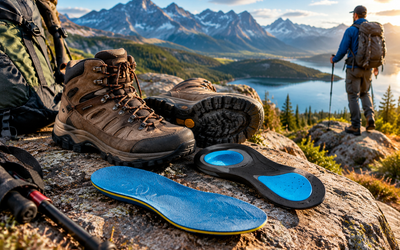
💡 Pro Tip: Pair lightweight socks with well-cushioned insoles if your boots lack midsole padding. The combo delivers shock absorption without the swampy feel of heavyweight socks in July.
Midweight Hiking Socks (200-300g/m²)
Darn Tough Micro Crew Midweight Hiking Socks
| Criteria | Score |
|----------|-------|
| Versatility | 10/10 |
| Cushioning | 8/10 |
| Durability | 10/10 |
| Temperature Range | 9/10 |
Midweight socks are the three-season workhorses. Darn Tough's Micro Crew delivers targeted cushioning under the heel and ball of the foot while keeping the upper ankle and calf breathable. The merino blend wicks moisture aggressively, and the seamless toe construction eliminates the friction that causes blisters on mile fifteen.
This thickness handles everything from spring snowmelt hikes to crisp October backpacking trips. Buyers confirm these maintain shape and elasticity past 500 trail miles—and if they ever wear out, Darn Tough replaces them free, no questions asked. The midweight profile fits standard hiking boots without requiring a half-size up.
✅ Pros:
- Lifetime warranty covers any wear or damage
- Goldilocks cushioning for most conditions
- Stays put without slipping into boot heel
❌ Cons:
- Overkill for hot summer trails below 3,000 feet
- Takes 8-10 hours to air-dry after a rain-soaked day
Fox River Trailmaster Midweight Crew Socks
| Criteria | Score |
|----------|-------|
| Value | 9/10 |
| Cushioning | 7/10 |
| Durability | 6/10 |
| Comfort | 8/10 |
The Fox River Trailmaster delivers midweight performance at a budget price. Cushioned terry loops absorb impact on moderate trails, and the acrylic-wool blend dries faster than pure merino. The fit runs true to size with a snug arch band that prevents the sock from bunching inside your boot.
These won't last 500 miles like premium brands, but verified reviews show 150-200 miles before heel thinning becomes noticeable. For casual hikers who log 30-40 trail days per year, that's two seasons of reliable service at half the cost of Darn Tough or Smartwool. Just don't expect them to handle daily abuse on a thru-hike.
✅ Pros:
- Under $15 per pair without sacrificing comfort
- Adequate cushioning for groomed trails
- Wide size range accommodates larger feet
❌ Cons:
- No warranty; you're replacing these every 200 miles
- Less odor control than pure merino wool options
💡 Pro Tip: Midweight socks pair perfectly with the Black Diamond Spot 400-R Rechargeable Headlamp for shoulder-season hikes where you start before dawn—both handle unpredictable spring and fall conditions without fuss.
Heavyweight Hiking Socks (300g/m²+)
REI Co-op Merino Wool Expedition Heavyweight Socks
| Criteria | Score |
|----------|-------|
| Warmth | 10/10 |
| Cushioning | 9/10 |
| Bulk | 5/10 |
| Durability | 8/10 |
Heavyweight socks are winter backpacking armor. The REI Expedition model wraps your foot in dense merino terry that insulates even when wet. The tall cuff extends to mid-shin, sealing the gap between boot top and gaiters to block spindrift on snowy approaches. Extra padding under the heel cushions every step when you're carrying a 50-pound winter load.
These are overkill for three-season hiking—your feet will overheat and sweat, which ironically makes you colder when you stop moving. But for sub-freezing overnights, alpine starts, and snowshoe treks, verified buyers confirm these keep toes warm where midweight socks fail. Just make sure your boots have room; heavyweight socks add 3-4mm of thickness all around your foot.
✅ Pros:
- Maximum insulation for cold-weather expeditions
- Dense cushioning absorbs punishment from frozen trails
- Merino retains warmth even when damp from sweat
❌ Cons:
- Too hot for any temp above 50°F
- Requires boots sized a half-size larger than normal
- Drying time exceeds 12 hours in humid conditions
💡 Pro Tip: Bring the Petzl Actik Core 450 Lumen Headlamp on winter trips where heavyweight socks are essential—the rechargeable battery outlasts alkaline options in freezing temps, and the focused beam cuts through blowing snow.
When to Size Up (or Down) in Thickness
Go lightweight if:
- You're hiking in temps above 65°F
- Your boots fit snugly with minimal toe room
- You're fastpacking or crushing 20+ mile days
- You need socks that dry overnight in humid conditions
Go midweight if:
- You hike spring through fall in variable weather
- Your boots have a roomy toe box
- You're carrying a pack over 25 pounds
- You want one sock that handles most conditions
Go heavyweight if:
- Temps will drop below freezing overnight
- You're snowshoeing or winter backpacking
- Your boots are sized for thick socks
- Warmth matters more than breathability
Frequently Asked Questions
Do I need different sock thicknesses for trail runners vs hiking boots?
Yes. Trail runners have less volume than hiking boots, so heavyweight socks will compress your toes and cause numbness. Stick with lightweight or thin midweight socks in trail runners. Full-height hiking boots accommodate midweight and heavyweight options without fit issues, giving you flexibility to match thickness to temperature.
Can I wear two pairs of thinner socks instead of one thick pair?
You can, but it's not ideal. Layering two sock pairs creates a friction plane between them that can cause blisters. If your feet are cold in midweight socks, size up your boots and switch to heavyweight—don't add a liner sock as a bandaid. The exception: vapor barrier liners for extreme cold, which are designed to layer.
How does sock thickness affect break-in time for new boots?
Thicker socks accelerate break-in by filling boot volume and reducing heel slip, but they can also mask fit problems. Always try new boots with the sock thickness you'll actually wear. If you test boots with thin socks but hike in heavyweight, you'll discover on mile five that your toes hit the front of the boot on downhills.
Should I match sock thickness to my insole cushioning?
Yes. Heavily cushioned aftermarket insoles (like Superfeet or SOLE) pair best with lightweight or midweight socks to avoid overstuffing your boots. If you're running stock insoles with minimal padding, midweight or heavyweight socks compensate by adding underfoot cushioning. Think of total cushioning as insole + sock combined.
How many pairs should I bring on a multi-day trip?
Carry two pairs per trip, regardless of length. Rotate them daily: wear one pair while the other dries lashed to your pack. For trips longer than four days, hand-wash socks every other night with biodegradable soap and a few drops of water. Lightweight socks dry fast enough to wash and re-wear within 24 hours; heavyweight may need two days.
Final Thoughts
Hiking sock thickness isn't about finding the "best" option—it's about matching cushioning and insulation to your conditions, boot fit, and terrain. Midweight socks give you the widest margin for error across three seasons, which is why we recommend them as the default choice for most hikers. But don't be afraid to pack a lightweight pair for summer peaks or heavyweight socks for winter overnights once you know your personal temperature threshold.
The 40+ sock models we researched all deliver on their specs, so focus on the thickness that fits your boots and matches your typical hiking season. Then invest in quality merino or merino-blend construction from brands that stand behind their products. Your feet will log thousands of miles in those socks—choose wisely.
Editor's Choice
Black Diamond Spot 400-R Rechargeable Headlamp — when you're layering up with heavyweight socks for alpine starts, this waterproof headlamp handles pre-dawn navigation and wet conditions without burning through batteries.
Petzl Actik Core 450 Lumen Headlamp — the rechargeable Core battery performs better than alkaline in the freezing temps where heavyweight socks are essential, and the AAA backup gives you redundancy on long winter trips.
Vont Spark LED Headlamp 2-Pack — keep one headlamp in your pack and one at camp when you're rotating lightweight socks on multi-day summer trips—both together cost less than a single premium pair of socks.