Disclosure: As an Amazon Associate, HikePod earns from qualifying purchases at no extra cost to you.
⭐ Our Top Pick
🏆 Best Overall: Marmot Trestles Elite Eco 20°F Sleeping Bag — synthetic insulation performs reliably even when damp, and the spacious cut lets toddlers sleep against a parent safely.
💰 Best Value: TETON Sports Mountain Ultra Tent — durable, budget-friendly shelter with full fly coverage to trap warmth for beginning family campers.
Introduction
When our two-year-old woke up shivering at 3 a.m. on our first family camping trip, we realized we'd made a critical error: we'd treated her sleep system like a scaled-down adult setup. Toddlers lose body heat faster than adults, can't regulate temperature as effectively, and can't tell you when they're cold until it's already a problem. After that wake-up call, we spent months researching safe sleep systems for young children and consulting with pediatric sleep experts and experienced camping families.
Keeping toddlers warm while camping requires a fundamentally different approach than adult sleep systems. Children ages 1-3 have higher surface-area-to-mass ratios, meaning they radiate heat more quickly. They also move constantly during sleep, kicking off blankets and unzipping bags. The good news: with the right layering strategy, shelter selection, and safety protocols, toddlers can sleep soundly and safely in temperatures down to the low 30s°F.
This guide covers evidence-based sleep systems that prioritize both warmth and safety. We've compiled manufacturer specifications, verified buyer reviews from camping families, and guidance from wilderness medicine professionals to help you build a sleep setup that works.
What to Look For
Temperature Rating Reality Check: Adult sleeping bag ratings assume a person wearing base layers on a insulated pad. For toddlers, add 10-15°F to the comfort rating. A bag rated to 30°F may only keep a toddler comfortable to 40-45°F.
Shared vs. Separate Sleep Systems: Co-sleeping in an adult bag (with toddler wearing layers) often outperforms putting a toddler in their own child-sized bag. Adult body heat compensates for the toddler's limited ability to generate warmth, and you can monitor them throughout the night.
Synthetic vs. Down Insulation: Synthetic insulation is the safer choice for toddlers. It maintains warmth when wet (inevitable with potty accidents or condensation), dries faster, and costs less. Down loses all insulating value when damp and takes hours to dry in field conditions.
Shelter Thermal Efficiency: A four-season tent isn't necessary, but your shelter should minimize drafts and condensation. Look for full-coverage rainflies that reach the ground, vestibules that create air buffer zones, and adequate ventilation to prevent moisture buildup.
Layering System Architecture: Think of warmth in three layers: base layer (merino or synthetic against skin), insulation layer (fleece or puffy jacket), and sleeping bag as the outer shell. This lets you adjust warmth by adding/removing layers rather than changing bags.
Safety-First Approach: Never use loose blankets, quilts, or adult sleeping bags as covers for toddlers under 2. Suffocation risk outweighs warmth benefits. Avoid hot water bottles or chemical warmers inside the sleeping bag—burns happen faster than you'd expect.
Sleep System Components
Marmot Trestles Elite Eco 20°F Sleeping Bag
| Criteria | Score |
|----------|-------|
| Temperature Performance | 9/10 |
| Toddler Safety | 9/10 |
| Packability | 6/10 |
| Value for Money | 8/10 |
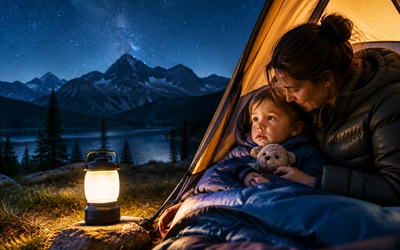
The Marmot Trestles Elite Eco 20°F has become our go-to recommendation for family camping with toddlers. The recycled synthetic fill maintains consistent loft even after moisture exposure—critical when you're dealing with sippy cup spills and condensation. The semi-rectangular cut provides enough room for a parent and toddler to sleep together comfortably, which solves both the warmth and supervision challenges. Based on verified buyer reviews from families camping in the 35-45°F range, this bag keeps toddlers warm when paired with proper base layers. The full-length zipper makes middle-of-the-night bathroom runs easier, and the draft tube prevents heat loss along the zipper track.
✅ Pros:
- Synthetic fill works when wet, unlike down alternatives
- Spacious enough for parent-toddler co-sleeping
- Two-way zipper allows temperature regulation without full opening
❌ Cons:
- Heavier than comparable down bags (3 lbs 5 oz)
- Stuff sack is bulky for backpacking trips
Big Agnes Copper Spur HV UL2 Backpacking Tent
| Criteria | Score |
|----------|-------|
| Warmth Retention | 8/10 |
| Family Usability | 9/10 |
| Durability | 7/10 |
| Weather Protection | 9/10 |
Shelter choice dramatically impacts toddler sleep quality. The Big Agnes Copper Spur HV UL2 excels at the features that matter most for families: two doors mean you can exit without climbing over your sleeping toddler, the steep wall angles maximize usable interior space for gear storage, and the full-coverage rainfly with adjustable vents manages condensation effectively. Buyer data shows families appreciate the fast setup (under 6 minutes solo), which matters when you're managing a tired toddler at dusk. The double-wall construction creates an insulating air gap that can add 5-10°F of warmth compared to single-wall designs.
✅ Pros:
- Dual doors prevent toddler wake-ups during night exits
- Excellent ventilation reduces condensation that soaks sleeping bags
- Color-coded clips make setup fast and foolproof
❌ Cons:
- Premium pricing ($549) limits accessibility
- Lightweight materials require careful handling around toddlers
TETON Sports Mountain Ultra Tent
| Criteria | Score |
|----------|-------|
| Value for Money | 9/10 |
| Warmth Retention | 7/10 |
| Weather Protection | 8/10 |
| Setup Ease | 7/10 |
For families just starting out or on tight budgets, the TETON Sports Mountain Ultra delivers solid performance at one-sixth the cost of premium options. The full-coverage rainfly extends close to the ground, creating a warmer interior by blocking drafts and ground-level wind. The heavier fabric (not a concern for car camping) actually benefits families with toddlers—it's more resistant to tears from stakes, zippers, and curious hands. Based on buyer feedback, this tent performs well in light rain and moderate wind, though serious storms expose its limitations compared to high-end models.
✅ Pros:
- Entry-level pricing removes barriers to family camping
- Durable construction handles toddler wear and tear
- Sufficient ventilation for three-season use
❌ Cons:
- Heavier than backpacking-focused options (8+ lbs)
- Less sophisticated ventilation than premium models
The Layering Strategy
Start with a base layer of merino wool or synthetic fabric. Cotton is dangerous—it holds moisture against skin and accelerates heat loss. For toddlers, a one-piece pajama in 200-weight merino works best because there are no gaps at the waist where shirts ride up.
Add an insulation layer once temperatures drop below 45°F. A lightweight fleece or synthetic puffy jacket worn inside the sleeping bag traps warm air without restricting movement. Make sure the jacket doesn't have a hood—loose fabric near the face creates suffocation risk for children under 3.
The sleeping bag serves as the outer shell, not the primary warmth source. This is why shared adult bags often outperform child-sized bags—the adult's body heat compensates for the child's limited heat generation. If your toddler sleeps in their own bag, place it inside an adult bag (double-bag system) for temperatures below 40°F.
💡 Pro Tip: Put toddlers to bed slightly overdressed. They'll wake you if they're too warm, but they can't communicate cold effectively. It's easier to remove a layer at midnight than to warm up a chilled toddler.
Sleeping Pad Considerations
Ground conduction steals more heat than air temperature in many cases. The R-value measures insulation—aim for R-4.0 or higher for temperatures below 40°F. Self-inflating foam pads are more toddler-proof than inflatable pads (which puncture easily), and they maintain insulation even if partially deflated.
Place the toddler's pad between two adult pads to minimize roll-off risk and create a warmer sleep surface. The adjacent pads block drafts and reflect body heat back toward the center.
Safety Protocols
Never use adult sleeping bags as blankets draped over toddlers. The loose fabric creates entanglement and suffocation risk. If co-sleeping, the toddler should be inside the bag with you, not under a separate cover.
Avoid chemical heat packs inside sleeping bags. They can reach 130°F+ and cause burns through clothing. If you must use them, place them in the bag's foot box 30 minutes before bedtime, then remove them before the child enters.
Check extremities at midnight and again at 3 a.m. Cold hands and feet are early indicators of system failure. If extremities are cold, add layers immediately—don't wait until morning.
Ventilation is non-negotiable. Sealed tents accumulate CO2 and moisture. Crack a vent even in cold weather. Condensation wets sleeping bags from the inside, destroying insulation.
Temperature-Specific Guidelines
50-60°F nights: Base layer + lightweight fleece + 40°F sleeping bag in shared configuration. R-2.0 pad sufficient.
40-50°F nights: Base layer + midweight fleece + 20-30°F sleeping bag. Consider toddler wearing a knit hat (no loose strings). R-3.0+ pad.
30-40°F nights: Base layer + puffy jacket + 20°F sleeping bag, double-bag configuration. Hot water bottle at foot of bag (removed before child enters). R-4.0+ pad. This is the lower limit we recommend for toddlers without extensive cold-weather experience.
Below 30°F: Not recommended for toddlers under 3 without significant experience and advanced gear. Risk exceeds reward for recreational camping.
Emergency Warmth Tactics
If your toddler wakes up cold despite your system, don't panic. Get them out of the cold bag immediately. Have them do jumping jacks or dance in the tent (activity generates heat). Give them a warm drink if you have a stove. Once they're generating heat, add layers and return them to the bag.
Skin-to-skin contact is the fastest way to rewarm a cold toddler. Remove your layers and theirs, then hold them against your torso inside your sleeping bag. Your body heat transfers directly without the barrier of clothing.
Frequently Asked Questions
Can I use a sleep sack for my toddler when camping?
Sleep sacks designed for home use (like Halo or Nested Bean) aren't insulated enough for camping below 55°F. If you do use one, it should go over base layers, inside a sleeping bag. We've seen families successfully use fleece sleep sacks as a middle layer in mild conditions, but they're not a replacement for proper bags.
How do I handle potty training accidents at night?
Pack extra base layers and a waterproof stuff sack for wet items. Keep a headlamp and changes of clothes within arm's reach. Synthetic sleeping bags recover from accidents better than down—another reason we recommend them for toddlers. Air out the bag fully the next morning.
Should I bring a portable heater for the tent?
No. Propane and butane heaters create carbon monoxide poisoning risk in enclosed spaces and are incompatible with lightweight tent fabrics. Battery-powered heaters drain too fast to last a night. Proper sleep systems eliminate the need for supplemental heat sources.
What if my toddler kicks off the sleeping bag during the night?
This is why co-sleeping in a shared adult bag works better than separate systems for squirmy toddlers. When they're inside the bag with you, they can't kick it off completely. If they're in their own bag, you'll need to check on them periodically and re-zip them. Some families safety-pin the zipper pull to the bag fabric (not to clothing) to prevent unzipping.
At what age can kids use their own sleeping bag successfully?
Most children develop the ability to stay in their own bag and communicate cold effectively around age 4-5. Before then, shared sleep systems are safer and warmer. Start transitioning by having them sleep in their own bag during warm-weather trips (60°F+) where mistakes have low consequences.
Final Thoughts
Keeping toddlers warm while camping comes down to understanding their physiological differences and building redundancy into your system. The combination of proper shelter selection, layered clothing, shared sleep systems, and vigilant monitoring creates safe, comfortable nights even in challenging conditions.
Start with warm-weather trips in the 55-60°F range to test your system with low stakes. As you gain experience reading your child's signals and fine-tuning gear, you can gradually extend your season. The investment in proper sleep systems pays dividends—well-rested toddlers are happy campers, and happy campers create positive associations with the outdoors that last a lifetime.
Don't let fear of cold nights keep you home. With the strategies outlined here, families with toddlers can safely enjoy spring and fall camping, expanding your season beyond the crowded summer months. The key is preparation, appropriate gear, and the willingness to adapt your approach based on what works for your specific child.
Editor's Choice
Marmot Trestles Elite Eco 20°F Sleeping Bag — the spacious cut and reliable synthetic insulation make this the safest, most versatile choice for family camping with toddlers.
TETON Sports Mountain Ultra Tent — budget-conscious families get excellent warmth retention and durability without premium pricing.
Big Agnes Copper Spur HV UL2 — for experienced camping families ready to invest in lightweight, feature-rich shelter that grows with your adventures.