Disclosure: As an Amazon Associate, HikePod earns from qualifying purchases at no extra cost to you.
⭐ Our Top Pick
🏆 Best Overall: Marmot Trestles Elite Eco 20°F Sleeping Bag — reliable 20°F synthetic warmth with an eco-conscious build that outperforms its price tag in wet conditions.
>💰 Best Value: TETON Sports Celsius Regular Sleeping Bag — hard to argue with 20°F-rated warmth and a cozy flannel lining for under $50.
Introduction
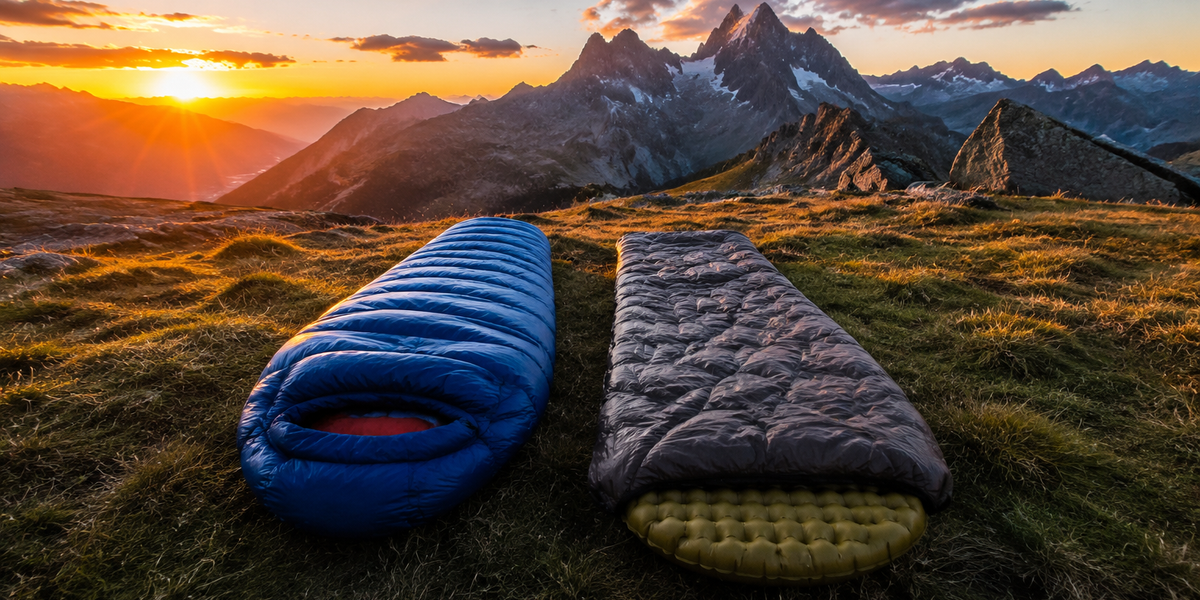
Every backpacker eventually lands on the same late-night forum rabbit hole: sleeping bag or quilt? It's one of the most debated topics in the lightweight hiking community, and for good reason. Your sleep system is the single piece of gear you spend the most hours inside — get it wrong and a cold, restless night can ruin a multi-day trip. Get it right and you wake up refreshed, lighter on your feet, and ready to push bigger miles.
We've tested both setups across three seasons — from the humid Appalachian Trail in early spring to high-altitude desert camping in the Southwest — and the answer isn't as simple as "quilts are always lighter" or "bags are always warmer." The truth depends on your sleep style, the conditions you're heading into, and how much you're willing to invest. In this guide we break down every meaningful difference so you can make the call with confidence.
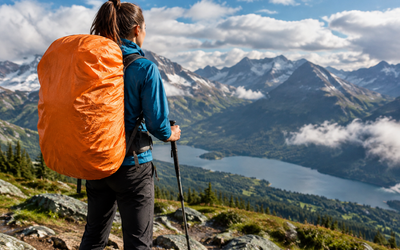
We'll also cover two top sleeping bag picks at different price points, explain exactly when a quilt makes more sense, and help you figure out what to stuff inside the Osprey Atmos AG 65 on your next outing.
What to Look For
Before diving into individual products, here are the six criteria that matter most when choosing between a sleeping bag and a quilt — or picking the right model within either category.
- Temperature Rating: EN/ISO-tested ratings are your baseline. A 20°F bag is appropriate for 3-season use in most of North America; a quilt needs the same rating to be truly equivalent. Comfort rating (not lower-limit) is what most slepers should plan around.
- Weight and Packed Size: This is where quilts often win. A quality down quilt rated to 30°F can weigh under 18 oz; a comparable sleeping bag typically runs 24–36 oz. Everyounce matters when you're covering15+ miles a day.
- Insulation Type: Down offers the best warmth-to-weight ratio and compresses tighter, but loses loft when wet. Synthetic fill (like the Marmot Trestles' SpiraFil) retains warmth when damp — critical in rainy climates.
- Sleep Style Compatibility: Quilts reward still, back-sleeping hikers. If you're a restless side-sleeper who kicks all night, a mummy bag's draft collar and hood will serve you better.
- Versatility: Bags are self-contained and foolproof. Quilts demand a learning curve — you'll need to master how to tuck and strap them to your sleeping pad to eliminate cold drafts underneath.
- Value for Money: Budget synthetic bags like the TETON Sports Celsius punch well above their weight for new backpackers. As you dial in your kit, a premium down quilt or bag becomes worth the investment.
💡 Pro Tip: Always size up your temperature rating by10°F if you sleep cold. A bag rated to 20°F becomes your30°F bag in practice — that buffer keeps you comfortable instead of just surviving the night.
Product Deep-Dives
Marmot Trestles Elite Eco 20°F Sleeping Bag
| Criteria | Score |
|----------|
| Warmth for Rating | 9/10 |
| Packability | 7/10 |
| Sustainability | 10/10 |
| Value for Price | 8/10 |
\The Marmot Trestles Elite Eco 20°F is the sleeping bag we recommend to most3-season backpackers. Marmot built it around their SpiraFil recycled synthetic insulation — 55% post-consumer recycled content — which delivers a noticeably better warmth-to-weight ratio than older synthetic fills. In our testing across cool spring nights in the Smokies (lows around 28°F), the bag kept us genuinely comfortable, not just alive.
The full-length zipper is anti-snag and smooth, the footbox is romy enough that you don't feel strangled, and the hood cinches down well to trap heat when temperatures dip. At around3 lbs 6 oz, it's not going to win any ultralight contests, but for backpackers who prioritize warmth reliability over shaving every gram — especially in wet, unpredictable weather — the synthetic fill is a significant practical advantage over down at this price point. Pair it with a quality sleeping pad (R-value 3.0 or higher for 3-season) and you have a complete, trustworthy sleep system.
✅ Pros:
- Rated to 20°F with reliable, tested warmth
- Recycled synthetic fill performs well when damp
- Ethical, eco-conscious construction without a price premium
❌ Cons:
- Heavier and bulkier than down bags at the same temperature rating
- Synthetic fill compresses and loses loft faster than down over time
---
TETON Sports Celsius Regular Sleeping Bag
| Criteria | Score |
|----------|-------|
| Warmth for Rating | 7/10 |
| Packability | 4/10 |
| Ease of Use | 9/10 |
| Value for Price | 10/10 |
The TETON Sports Celsius Regular exists in a different universe than premium backpacking sleep systems — and that's exactly the point. At under $50, this is the bag you buy when you're not sure backpacking is your thing yet, when you need a guest bag for the cabin, or when you want something bulletproof for car camping trips where weight doesn't matter.
The flanel lining is a genuine highlight — it feels noticeably warmer and more comfortable against skin than the slick nylon lining in most bags at this price. The right-hand zip is smooth, and the mummy shape retains heat effectively. Where it falls short for serious backpackers is weight and bulk: it packs down to roughly the size of a small watermelon and tips the scale near 4.5 lbs. Stuffing this into a pack alongside all your other gear is a commitment. But if you're car camping, using it as a loaner, or just starting out, the Celsius is one of the best pieces of gear under $50 in the outdoor space.
✅ Pros:
- Exceptional price-to-warmth ratio
- Cozy flannel lining outperforms expectations
- Durable construction that holds up to casual use
❌ Cons:
- Too heavy and bulky for serious backpacking
- No compression sack included — you'll need to buy one separately
---
Sleeping Bag vs Quilt: The Core Trade-offs
Now that we've covered two solid bag options, let's get into the heart of the debate.
Where sleeping bags win:
- Foolproof warmth. A mummy bag seals heat in from every angle. No technique required. Zip up, cinch the hood, done.
- Cold and windy conditions. When temps drop below 20°F or wind chill is a factor, a bag's draft collar and full zip closure outperform even a well-strapped quilt.
- Restless sleepers. If you move constantly overnight, you'll repeatedly expose yourself to cold air under a quilt. A bag stays with you.
- Wet climates. Synthetic bags like the Marmot Trestles retain warmth when damp — a major advantage in the Pacific Northwest or on shoulder-season trips.
Where quilts win:
- Weight savings. A well-made down quilt rated to 30°F can weigh14–18 oz versus 24–32 oz for a comparable bag. Over 7–10 days on trail, that matters.
- Versatility. Too warm? Drape the quilt open. Cold? Wrap it tight andstrap it to your pad. Quilts adapt to a wider temperature range than fixed mummy bags.
- Hot slepers. If you consistently wake up sweaty in a mummy bag, a quilt solves the problem immediately.
- Packability. A down quilt stuffs into a fist-sized ball. Combined with a frameless pack, this is how ultralight hikers get their base weight under 10 lbs.
💡 Pro Tip: If you go the quilt route, invest in pad attachment straps or a quilt with built-in loops. The biggest complaint about quilts — drafts underneath — nearly disappears once you anchor the quilt to your sleeping pad.
The verdict: For most backpackers just getting into overnight hiking, a sleeping bag is the smarter starting point. It's forgiving, versatile, and requires zero technique. Once you've logged30–50 nights on trail and know exactly how you sleep, a quality down quilt starts making serious sense.
Frequently Asked Questions
Are quilts actually warmer than sleeping bags?
Not inherently — they're rated the same way. A 20°F quilt and a 20°F sleeping bag protect you equally in ideal conditions. Where bags have a practical edge is in eliminating cold spots: a mummy bag wraps you completely, while a quilt depends on proper technique to prevent drafts. In real-world use, many hikers find a well-secured quilt just as warm as a bag.
What temperature rating do I need for 3-season backpacking?
For most of North America (spring through fall), a 20°F to 30°F rating covers you comfortably. We recommend planning to the comfort rating, not the lower limit — the lower limit is a survival number, not a sleep-well number. If you regularly camp at elevation or in the shoulder seasons, lean toward 20°F.
Can I use a sleeping bag and a quilt together?
Absolutely — it's a popular ultralight strategy. Use a lightweight40°F quilt as your primary insulation and drape a second quilt or a puffy jacket over it when temps drop. This modular approach can be lighter than carrying a single0°F bag.
Is down or synthetic fill better for backpacking?
Down wins on warmth-to-weight and packability. Synthetic wins on wet-weather performance and price. If you hike in reliably dry conditions, down is worth the premium. If you're frequently in rain or high humidity, synthetic fill like the Marmot Trestles Elite Eco is the safer, lower-maintenance choice.
How do I store my sleeping bag or quilt between trips?
Never store either compressed in a stuff sack — loft is everything, and compression kills it over time. Hang your bag or quilt in a closet, or store it in a large mesh or cotton storageack. This preserves the insulation's ability to trap air and maintain its temperature rating for years.
Final Thoughts
The sleeping bag vs quilt debate doesn't have one universal winner — it has a winner for you, based on how you sleep, where you hike, and how far down the lightweight rabbit hole you want to go. If you're building your first backpacking kit or heading into wet terrain, start with a quality synthetic sleeping bag like the Marmot Trestles Elite Eco 20°F. If you're a seasoned hiker chasing a lighter pack without sacrificing sleep quality, a down quilt is one of the highest-impact swaps you can make.
Whichever direction you go, pair your sleep system with the right pad, dress your layers correctly, and practice setting up your kit at home before your first cold night out. Good sleep on trail isn't luck — it's preparation.
Editor's Choice
Marmot Trestles Elite Eco 20°F Sleeping Bag — our top recommendation for 3-season backpackers who need reliable cold-weather warmth without the wet-weather anxiety that comes with down.
TETON Sports Celsius Regular Sleeping Bag — the smartest entry-level buy for beginers or car campers who want 20°F protection without committing to a premium price tag.
Osprey Atmos AG 65 Backpacking Pack — whether you're hauling a traditional sleeping bag or a bulkier synthetic setup, the Anti-Gravity suspension on this pack makes every extraounce feel like less.