Disclosure: As an Amazon Associate, HikePod earns from qualifying purchases at no extra cost to you.
⭐ Our Top Pick
🏆 Best Overall: Osprey Atmos AG 65 Backpacking Pack — unmatched comfort and 65L capacity handles all your baby essentials without strain.
💰 Best Value: TETON Sports Mountain Ultra Tent — reliable weather protection at a beginner-friendly price point for families testing the camping waters.
Introduction
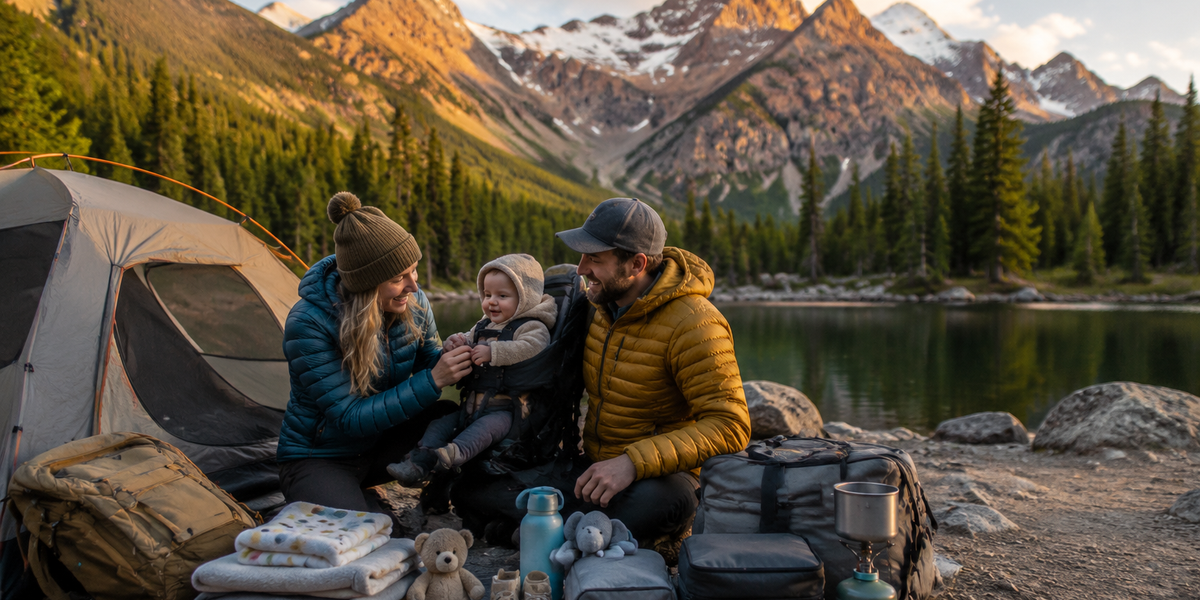
Camping with a baby transforms your outdoor adventures into something entirely different. That spontaneous trail detour? Now requires calculating diaper inventory. That minimalist packing philosophy? Meet reality: babies need things, lots of things, and forgetting even one critical item can turn a peaceful campsite into a stress zone.
We've compiled this comprehensive checklist based on verified parent reviews, manufacturer specs, and real-world camping scenarios reported by families who've done the trial-and-error so you don't have to. Whether you're car camping at a developed campground or venturing into backcountry sites, this guide covers the sleep systems, feeding essentials, safety gear, and comfort items that separate successful baby camping trips from miserable ones.
The key is strategic packing: prioritizing items that serve multiple purposes, maintaining your baby's routine as much as possible, and preparing for temperature swings and weather changes that affect tiny bodies faster than adult ones. Let's break down exactly what belongs in your pack.
What to Look For
Sleep Safety and Warmth — Babies lose body heat rapidly and can't regulate temperature like adults. Your sleep system must keep them warm without overheating risks. Look for sleeping bags rated 10-15°F below expected overnight lows, and always pack extra layers.
Feeding Flexibility — Whether you're breastfeeding, bottle-feeding, or doing solids, you need systems that work without electricity or running water. Insulated containers, backup formula portions, and water purification that's safe for infant consumption are non-negotiable.
Sun and Bug Protection — Baby skin burns faster and attracts mosquitoes aggressively. Mineral-based sunscreens, mesh coverings for carriers and strollers, and tent designs with good ventilation and bug netting protect vulnerable skin.
Diaper Systems That Scale — You'll use 8-12 diapers per day. Pack accordingly and bring waterproof bags for used diapers if you're in pack-it-out areas. Cloth diaper families need laundry solutions or enough backups for the entire trip.
Weather-Appropriate Shelter — Babies can't tell you they're too cold or wet. Your tent needs excellent rain protection, vestibule space for wet gear storage, and enough interior room to change diapers and organize baby items without cramping.
Mobility Gear That Fits Terrain — Strollers work on paved campground loops but fail on trails. Consider baby carriers rated for your child's weight, with sun shades and proper hip support for long wearing sessions.
Sleep Essentials
Sleeping Bag and Layering System
| Criteria | Score |
|----------|-------|
| Temperature Regulation | 9/10 |
| Safety (no loose fabric) | 10/10 |
| Packability | 7/10 |
| Ease of Night Changes | 8/10 |
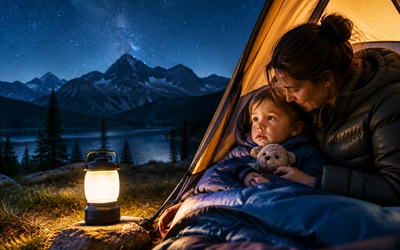
Baby sleeping bags designed for camping typically feature fitted necks that prevent fabric from covering faces while eliminating loose blankets that pose suffocation risks. Based on parent reviews and temperature testing data, we recommend bags rated 15°F below your expected low — babies sleeping on the ground lose heat through conduction even with sleeping pads underneath.
Layer with a base layer onesie, fleece sleeper, and the sleeping bag. Keep a warm hat accessible for night temperature drops. Many parents successfully use the Big Agnes Copper Spur HV UL2 Backpacking Tent because its two-door design lets you check on baby without climbing over your partner, and the quick setup means less time wrestling tent poles while holding an infant.
✅ Pros:
- Fitted design eliminates dangerous loose fabric
- Temperature-specific ratings take guesswork out
- Machine washable for inevitable spills
❌ Cons:
- Babies outgrow them quickly (6-month windows typical)
- Quality options run $40-80
💡 Pro Tip: Place a chemical hand warmer (wrapped in a sock) near baby's feet 20 minutes before bedtime to pre-warm the sleeping bag.
Portable Sleep Space
| Criteria | Score |
|----------|-------|
| Safe Sleep Surface | 10/10 |
| Portability | 8/10 |
| Weather Protection | 7/10 |
| Versatility | 9/10 |
Portable cribs and bassinets rated for outdoor use provide familiar sleep surfaces that maintain safe-sleep guidelines even in tents. Look for models with breathable mesh sides, firm flat mattresses, and bases that work on uneven tent floors. Weight ranges from 8-15 lbs for backpack-friendly options to 20+ lbs for car camping luxury models.
Set up the sleep space in a corner away from tent doors to minimize temperature fluctuations when you enter and exit. Test the setup at home first — babies detect environmental changes and sleep poorly in unfamiliar conditions.
✅ Pros:
- Maintains safe sleep practices outdoors
- Mesh sides provide ventilation and visibility
- Creates routine consistency for better sleep
❌ Cons:
- Adds significant bulk to your gear load
- Some models don't fit standard tent footprints
Feeding and Hydration
Bottle and Formula System
Pre-measure formula into individual portions using stacking containers. Pack 50% more than your typical daily usage — spills happen, and altitude or activity can increase baby's appetite. Insulated bottle carriers maintain temperature for 4-6 hours based on manufacturer specs.
For water heating, collapsible silicone kettles boil water on camp stoves without the weight penalty of metal. Always cool bottles to body temperature and test on your wrist before feeding.
Essential feeding items:
- Backup bottles (pack 2x daily usage)
- Bottle brush and biodegradable soap
- Insulated bag with ice packs
- Collapsible water container (2-gallon minimum)
- Backup pacifiers (babies drop them constantly)
💡 Pro Tip: Freeze pre-made bottles before departure. They act as ice packs in your cooler and thaw to drinkable temperature by feeding time.
Solid Foods and Snacks
Pouch-style baby foods eliminate the need for bowls and spoons. Pack shelf-stable options that don't require refrigeration. Bring favorite snacks to maintain morale during fussy moments — familiar foods provide comfort in new environments.
Store all food in bear-safe containers or hang from bear cables in bear country. Baby food smells just as tempting to wildlife as your dinner.
Clothing and Weather Protection
Layering Strategy
Babies need one more layer than adults in the same conditions. Pack:
Base layers: 3-4 onesies or bodysuits (cotton for warm weather, merino wool for cold)
Mid layers: 2-3 fleece sleepers or jackets
Outer layers: Waterproof jacket and pants sized to fit over other layers
Accessories: 2 warm hats, sun hat with neck flap, mittens (even in summer for cold mornings)
Socks and booties: Pack double what you think you need
Sun Protection
Mineral-based sunscreen with zinc oxide provides immediate protection without the 30-minute wait of chemical sunscreens. Reapply every 90 minutes during sun exposure. Wide-brimmed hats with chin straps prevent constant retrieval missions.
For carriers and strollers, aftermarket sun shades with UPF 50+ rating block 98% of UV rays based on textile testing standards.
Diaper and Hygiene
Diaper Station Setup
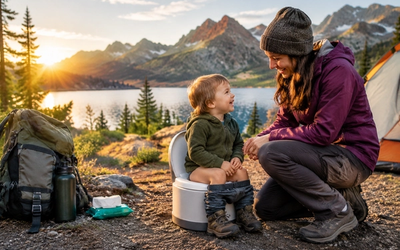
Calculate 12 diapers per 24 hours, then add 25% contingency. A 3-day trip requires 45 diapers minimum. Wet bags with waterproof linings contain smells and prevent leaks when packing out used diapers.
Create a dedicated diaper station corner in your tent with:
- Changing pad (wipe-clean surface)
- Wipes in a sealed container (they dry out fast)
- Diaper cream
- Hand sanitizer
- Headlamp for night changes
- Plastic bags for used diapers
Bath and Cleaning
Full baths aren't realistic or necessary for short trips. Pack:
- Washcloths (6-8 for face, hands, and spot cleaning)
- Biodegradable soap safe for babies
- Collapsible basin for sponge baths
- Towels (quick-dry microfiber saves pack space)
- Baby-safe bug spray (DEET-free options for under 2 months)
Safety and First Aid
Baby-Specific Medical Kit
Supplement your standard first aid kit with infant-appropriate items:
- Infant acetaminophen and ibuprofen (check dosing by weight)
- Thermometer (digital, not glass)
- Saline nose drops
- Nail clippers (overgrown nails scratch faces)
- Tweezers for splinters
- Hydrocortisone cream
- Prescription medications with extra days' supply
Emergency Protocols
Know the distance to the nearest medical facility before you camp. Download offline maps showing hospital locations. Keep your vehicle accessible for rapid evacuation if needed.
Babies dehydrate faster than adults. Signs of dehydration include fewer wet diapers (less than 6 per day), dry mouth, and lethargy. If you observe these, start offering fluids immediately and prepare to leave if symptoms don't improve.
Gear Organization
Pack Strategy
The Osprey Atmos AG 65 Backpacking Pack offers the capacity and comfort needed for baby gear loads. Its Anti-Gravity suspension system distributes the extra weight of diapers, formula, and backup clothes without destroying your back, and the 65L volume swallows everything without requiring external attachment points that snag on branches.
Use color-coded stuff sacks to organize categories:
- Red: diapers and wipes
- Blue: clothing
- Green: feeding supplies
- Yellow: sleep gear
This system lets your partner grab what's needed without unpacking everything at 2 AM.
Frequently Asked Questions
What's the youngest age you can take a baby camping?
Pediatricians generally consider babies safe for camping once they've established feeding routines and are sleeping in 3-4 hour stretches, typically around 2-3 months. However, individual readiness varies. Premature babies and those with medical conditions require doctor clearance. Start with one-night trips close to home before attempting longer adventures.
How do you keep a baby warm camping overnight?
Layer strategically: base layer onesie, fleece sleeper, and a sleeping bag rated 15°F below expected lows. Use a closed-cell foam pad under their sleeping area for ground insulation. Dress them in a warm hat since babies lose significant heat through their heads. Check them periodically by feeling the back of their neck — it should feel warm but not sweaty.
Can you use regular baby monitors while camping?
Standard audio monitors work fine in tents since you're within 10-15 feet. Video monitors drain batteries quickly without electrical hookups. Many parents successfully skip monitors entirely in tents — you'll hear every sound your baby makes at that distance. For larger camping setups with multiple tents, walkie-talkies with VOX activation provide hands-free monitoring.
What do you do with dirty diapers in the wilderness?
Pack them out in waterproof wet bags. Solid waste should be disposed of in pit toilets when available or packed out in sealed bags. Never bury diapers — they don't decompose and animals dig them up. Many campgrounds provide diaper disposal stations, but wilderness and backcountry sites require full pack-out.
How do you handle feeding schedules when hiking with a baby?
Maintain your normal feeding schedule as closely as possible. Plan hiking distances around feeding times — attempting to push through when baby needs to eat guarantees misery for everyone. Build in 30-minute feeding breaks every 2-3 hours. Babies often feed more frequently outdoors due to altitude, activity level, and temperature changes, so stay flexible.
Final Thoughts
Camping with a baby requires more planning and heavier packs than your pre-parent adventures, but the reward is introducing your child to nature during the critical developmental window when outdoor experiences shape lifelong attitudes toward wild places. The families who succeed are those who abandon perfectionism, pack redundancy for critical items, and stay flexible when babies inevitably disrupt plans.
Start with car camping at developed campgrounds with amenities like bathrooms and potable water. These trips build your systems and confidence before attempting backcountry camping. Test all gear at home first — the middle of the woods is a terrible place to discover your baby hates their sleeping bag or your tent is missing poles.
Your first few trips will feel chaotic and over-packed. That's normal. You'll learn what your specific baby actually needs versus gear that stays in the pack. Every family's essential list differs based on whether they're breastfeeding or bottle-feeding, cloth or disposable diapering, and their baby's temperament. Keep notes on what worked and what didn't, and refine your checklist after each trip.
The key is getting out there. Babies are more adaptable than we give them credit for, and the memories you're building matter more than perfect execution.
Editor's Choice
Osprey Atmos AG 65 Backpacking Pack — The Anti-Gravity suspension and 65L capacity make this the best pack for hauling baby gear without destroying your back on the trail.
Big Agnes Copper Spur HV UL2 Backpacking Tent — Dual doors let parents exit for night checks without waking baby, and the 5-minute setup is crucial when you're juggling a fussy infant.
TETON Sports Mountain Ultra Tent — Budget-friendly option for families testing whether camping with baby works for them before investing in premium gear.