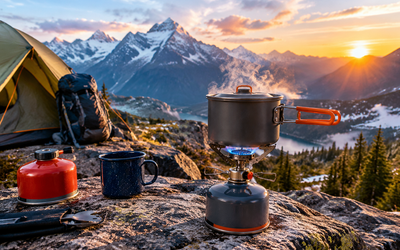
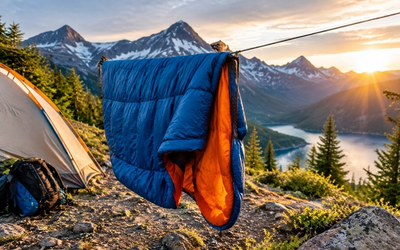
Introduction
Winter camping is one of the most rewarding outdoor experiences you can have — silent snow-covered forests, frozen lakes glittering under a full moon, and a solitude that's simply impossible to find in peak summer season. But it demands a level of preparation that fair-weather camping does not. The margin for error shrinks dramatically when temperatures drop below freezing.
At HikePod, we've spent countless nights in sub-zero conditions testing gear, refining sleep systems, and learning hard lessons so you don't have to. Whether you're planning your first cold-weather overnight or looking to push deeper into the backcountry in winter, this guide covers everything you need to know.
We'll walk you through the essential gear categories, how to build a functional layering system, smart campsite selection, and the critical mistakes that send beginners home early — or worse, put them in danger.
Essential Winter Camping Gear
Getting your kit right is the foundation of any successful cold-weather trip. Skimping on gear in summer is inconvenient; skimping in winter can be dangerous.
Sleep System
Your sleep system is your single most important investment for winter camping.
- Sleeping bag: Choose a bag rated at least 10–15°F below the coldest temperature you expect. Down insulation offers the best warmth-to-weight ratio, but synthetic insulation performs better when damp.
- Sleeping pad: Insulation from below matters more than most beginners realize. Look for a pad with an R-value of 4 or higher; for true winter conditions, stack two pads for an R-value of 6+.
- Vapor barrier liner: In extreme cold, a simple liner can significantly reduce moisture buildup inside your bag.
💡 Pro Tip: Always fluff your down sleeping bag for at least 30 minutes before getting in. Compressed loft means reduced insulation — give it time to fully expand.
Shelter
- Use a 4-season tent designed to shed snow load and withstand wind. Geodesic or semi-geodesic designs handle heavy snow better than tunnel tents.
- Stake out every guy line — winter wind can be ferocious and unpredictable.
- Bring a snow shovel to clear your site and dig out a wind break or snow wall if needed.
Clothing & Layering
The layering system is non-negotiable in cold weather:
- Base layer – Moisture-wicking merino wool or synthetic. Never cotton.
- Mid layer – Insulating fleece or down jacket to trap body heat.
- Outer shell – Waterproof, windproof hardshell to block the elements.
- Extremities – Insulated gloves (with liners), wool or synthetic hat, balaclava, and gaiters.
Nutrition & Hydration
- Your body burns significantly more calories keeping warm. Pack high-fat, high-calorie foods: nuts, cheese, hard salami, and freeze-dried meals with at least 600 calories per serving.
- Dehydration is a real risk in winter — cold air suppresses your thirst response. Drink consistently even when you don't feel thirsty.
- Use an insulated water bottle and keep it inside your sleeping bag at night to prevent freezing.
How to Set Up a Winter Campsite
Choosing and preparing your campsite properly can mean the difference between a great night and a miserable one.
Site Selection
- Avoid avalanche terrain. Stay away from steep slopes, convex rolls, and natural runout zones.
- Seek natural windbreaks like dense tree lines or large boulders — but avoid camping directly under heavy snow-laden branches.
- Stamp down a flat platform in the snow with your snowshoes before setting up your tent. Let it harden for 10–15 minutes before pitching.
Setting Up Camp
- Stomp out a level platform and let it sinter (harden).
- Stake your tent using snow stakes or deadman anchors — standard stakes won't hold in soft snow.
- Build a low snow wall on the windward side if conditions are exposed.
- Store boots inside the tent vestibule; frozen boots in the morning are a classic beginner mistake.
💡 Pro Tip: Change into dry, clean base layers before getting into your sleeping bag. Sleeping in sweaty clothing dramatically reduces your bag's effective warmth rating.
Common Mistakes and Advanced Tips
Mistakes to Avoid
- Going out underprepared on your first trip. Start with a car camping winter trip before committing to backcountry overnights.
- Sweating too much while hiking. Overheating on the approach is the #1 cause of cold-related incidents — ventilate aggressively and dress lighter than feels comfortable when moving.
- Relying solely on a phone for navigation. Battery life plummets in cold weather. Carry a paper map, compass, and a dedicated GPS device.
- Skipping the pre-trip gear check. Test every piece of gear at home in cold conditions before you depend on it in the field.
Advanced Tips
- Use chemical hand warmers as backup battery warmers for your electronics.
- Practice setting up your tent with gloves on before your trip.
- Tell someone your exact itinerary and expected return time before every winter outing.
Frequently Asked Questions
How cold is too cold for winter camping?
There's no universal cutoff, but for beginners we recommend starting with trips where nighttime lows stay above 10°F (-12°C). With proper gear and experience, many winter campers sleep comfortably at -20°F and below.
What's the most important piece of winter camping gear?
Your sleep system — specifically the combination of sleeping bag and sleeping pad. No amount of skill compensates for an inadequate sleep system when temperatures drop overnight.
How do I keep my water from freezing overnight?
Store water bottles upside down (the top freezes last), keep them in your sleeping bag, or use an insulated bottle sleeve. For camp use, a wide-mouth insulated thermos is ideal.
Do I need snowshoes for winter camping?
In most snow conditions, yes. Snowshoes prevent postholing (sinking through the snow) and make travel far more efficient. In shallow or firm snow, microspikes may suffice for the approach.
How do I stay warm in my sleeping bag at night?
Eat a calorie-dense snack before bed, do light exercises (squats or jumping jacks) before climbing in, and ensure your sleeping pad R-value is sufficient. Your bag keeps in heat — it doesn't generate it.
Final Thoughts
Winter camping rewards preparation and punishes shortcuts — but it also delivers experiences that no other season can match. The key is building your skills and gear kit progressively: start with accessible car camping in cold conditions, then work your way toward more remote and demanding trips as your confidence grows.
We at HikePod genuinely believe that with the right knowledge and gear, almost anyone can enjoy the magic of a winter night under the stars. Start small, stay curious, and always respect the conditions. The mountains will be there all season — go enjoy them safely.