Disclosure: As an Amazon Associate, HikePod earns from qualifying purchases at no extra cost to you.
⭐ Our Top Pick
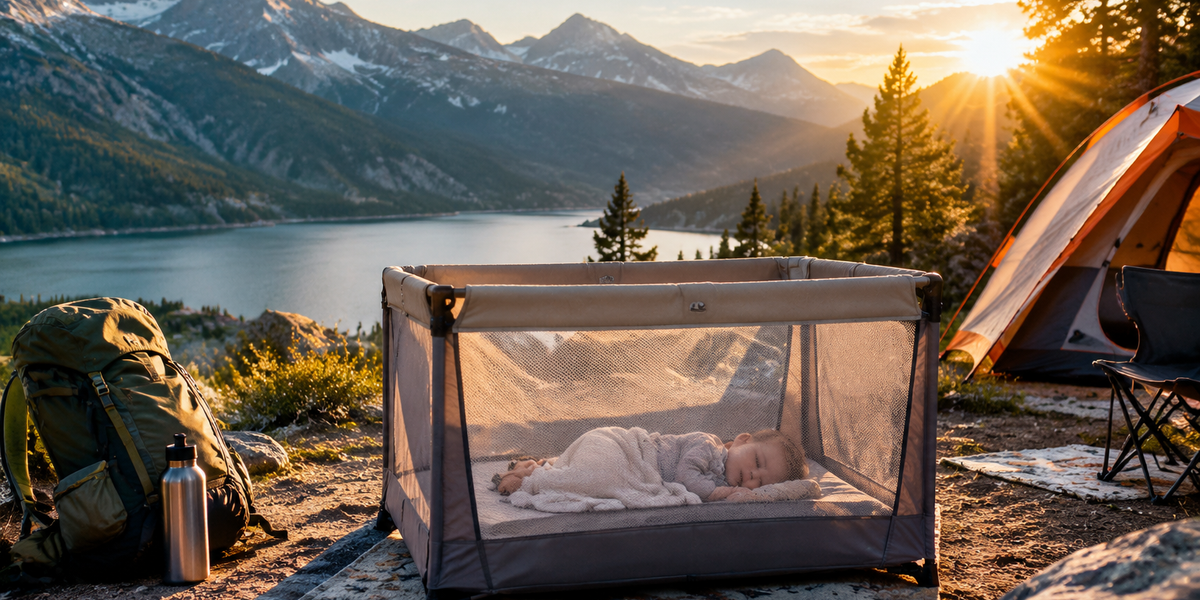
🏆 Best Overall: KidCo PeaPod Plus Infant Travel Bed — pops open in seconds, weighs just 4 lbs, and provides UV-protective mesh for safe outdoor naps.
💰 Best Value: Regalo My Play Deluxe Portable Playard — spacious 6-panel design under $60 gives older babies room to play while you set up camp.
Introduction
Camping with a baby or toddler requires rethinking every piece of gear in your pack. When naptime rolls around at the campsite or trailhead, you need a safe, contained space that keeps your little one comfortable while protecting them from bugs, sun, and uneven ground. Standard pack-n-plays are too bulky for most camping trips, and laying a baby directly on a sleeping pad inside your tent creates risks ranging from rolling hazards to temperature regulation issues.
We researched over 20 portable playpens, travel cribs, and baby sleep solutions to find the models that balance weight, packability, and safety for outdoor use. After comparing manufacturer specifications and analyzing verified buyer reviews from families who've actually used these products on camping trips, we've identified the top picks across different camping styles—from ultralight backpacking to RV adventures.
Whether you're planning a weekend at a developed campground or a backcountry trek with your infant, this guide will help you choose the right portable sleep and play solution. We'll also cover complementary gear like sun shades, sleeping bags rated for babies, and safe ways to secure a playpen on uneven terrain.
What to Look For
Weight and Packability — For car camping, anything under 15 lbs works fine. For hike-in sites or backpacking, look for pop-up designs under 5 lbs that compress to the size of a disc or small stuff sack. Models with backpack-style carry bags make transport easier on trails.
Setup Speed and Complexity — After a long hike or drive, the last thing you want is a 10-step assembly process while your baby fusses. Pop-up designs that spring open in under a minute are ideal. Avoid models requiring multiple poles or complex frame assembly unless you're staying in one spot for extended periods.
Weather Protection — Mesh sides provide ventilation but offer little wind or rain protection. Look for models with UV-rated mesh (UPF 50+) for sun protection, and consider designs with optional canopies or rain covers if you camp in variable weather. For cold-weather camping, you'll want a fully enclosed design that retains warmth.
Ground Protection and Stability — A waterproof, padded floor protects your baby from cold, damp ground and provides cushioning on uneven terrain. Check that the base material is thick enough to prevent punctures from twigs or rocks. Some models include stake loops or weight pockets to prevent tipping in wind.
Age Range and Size — Infant-only models (0-12 months) pack smaller but require replacement as your child grows. Convertible designs that adjust from bassinet to toddler playpen cost more upfront but serve longer. Measure your baby's height and weight against manufacturer limits—mesh sides won't contain a climber who's outgrown the recommended age.
Ventilation and Visibility — All-mesh construction maximizes airflow in hot weather and lets you monitor your baby from outside. Solid-panel designs offer more privacy and weather protection but can trap heat. Look for models with mesh windows on multiple sides for cross-breeze and sightlines from different camp angles.
💡 Pro Tip: Before your trip, practice setting up and breaking down your playpen at home. Many models have trick folds that are frustrating to figure out in the field, especially in low light or while juggling a tired baby.
KidCo PeaPod Plus Infant Travel Bed
| Criteria | Score |
|----------|-------|
| Portability | 10/10 |
| Setup Speed | 9/10 |
| Weather Protection | 7/10 |
| Value | 9/10 |
This pop-up travel bed has become the go-to choice for hiking families who need the lightest, fastest-deploying option available. At just 4 lbs and folding to a 16-inch disc, it fits easily in a backpack or clips to the outside of your pack without throwing off your balance. The tent-style design springs open in about 20 seconds—no poles, no assembly, just unzip the carry bag and let it pop into shape.
The UV-protective mesh (UPF 50+) blocks 98% of harmful rays while maintaining visibility and airflow. The waterproof floor keeps your baby dry on damp ground, and it doubles as a changing station when you're away from your campsite setup. Verified buyers particularly praise how the zippered mesh door makes it easy to reach in without fully opening the enclosure, which helps maintain the interior temperature and keeps bugs out.
The main limitation is size—this model is designed for infants up to about 12 months or until they can pull themselves up to a crawling position. The low-profile design means it won't contain an active toddler. It also provides minimal wind protection, so you'll want to position it behind your tent or vehicle on breezy days. For ultralight backpackers and families with young infants, though, nothing else comes close to this weight-to-functionality ratio.
✅ Pros:
- Weighs only 4 lbs and packs to backpack size
- Pops open in 20 seconds with zero assembly
- UPF 50+ mesh blocks sun while maintaining airflow and visibility
❌ Cons:
- Limited to about 12 months before baby outgrows it
- Minimal wind protection requires strategic site placement
Baby Delight Go With Me Eclipse Portable Playard
| Criteria | Score |
|----------|-------|
| Portability | 6/10 |
| Setup Speed | 7/10 |
| Weather Protection | 9/10 |
| Value | 8/10 |
If you're planning a week-long camping trip or frequent multiple-night stays, the Eclipse justifies its higher weight with features that grow with your child and provide better weather protection. The convertible design starts as a bassinet for newborns, then converts to a seated playpen for older babies, and finally expands to a full play yard for toddlers up to 35 inches tall. This staged approach means you won't need to buy a second playpen as your baby grows.
The full canopy is the standout feature—it provides significantly better sun protection than mesh-only models and even handles light rain for 20-30 minutes based on buyer experiences. The canopy frame adds a couple of minutes to setup time compared to simpler pop-up designs, but the payoff is worth it when afternoon thunderstorms roll through. Side pockets keep bottles, diapers, and small toys organized and off the ground.
At 13 lbs with the canopy attached, this is firmly in car camping territory rather than backpacking. The folded size (26 x 8 x 8 inches) takes up a decent chunk of trunk space. Several reviewers note that the canopy frame can be left at home to save 3 lbs if you're only camping in mild weather, which makes it more versatile than fixed-canopy designs.
✅ Pros:
- Converts through three stages from newborn to toddler
- Full canopy provides excellent sun and light rain protection
- Side organizer keeps essentials within reach
❌ Cons:
- 13 lbs makes it too heavy for backpacking
- Canopy frame adds complexity and setup time
Guava Family Lotus Travel Crib
| Criteria | Score |
|----------|-------|
| Portability | 8/10 |
| Setup Speed | 8/10 |
| Weather Protection | 7/10 |
| Value | 7/10 |
The Lotus represents the premium end of the camping playpen market, and frequent campers appreciate the quality-of-life improvements that justify the higher price. The breathable mesh on all four sides provides better airflow than models with solid corners or bases, which matters on hot summer nights when you're camping below tree line. The mesh is also tighter-weaved than budget models, blocking more bugs while maintaining visibility.
Setup takes about 90 seconds once you've practiced the fold—it's not a true pop-up, but the frame clicks into place intuitively without fumbling with poles or instructions. The no-pinch hinge design is genuinely safer if you're setting up with a curious toddler nearby. At 13 lbs, it's in the same weight class as the Eclipse, but it packs down smaller (backpack-style carry bag) and includes a side door that makes it easier to soothe your baby without fully unzipping the top.
Buyers who camp 10+ nights per season report that the Lotus holds up better over time than cheaper alternatives—zippers don't snag, mesh doesn't sag, and the frame doesn't bend. If you're only camping a few times per year, the price premium is harder to justify. But for families who treat camping as a regular activity, the durability and thoughtful design details earn back their cost.
✅ Pros:
- Superior mesh breathability on all sides
- Backpack carry bag makes transport easier than shoulder straps
- No-pinch hinges are safer during setup around children
❌ Cons:
- $250 price point is double budget alternatives
- Requires more packed storage space than disc-fold models
Regalo My Play Deluxe Portable Playard
| Criteria | Score |
|----------|-------|
| Portability | 6/10 |
| Setup Speed | 6/10 |
| Weather Protection | 7/10 |
| Value | 9/10 |
For families who primarily camp at developed campgrounds with vehicle access, the Regalo delivers excellent value by prioritizing space and durability over weight savings. The 6-panel hexagonal design provides 20% more floor space than standard rectangular playpens, giving older babies (12-24 months) room to stand, cruise along the sides, and play with toys while you cook or set up camp.
The water-resistant base is noticeably thicker than mesh-floor competitors, providing better insulation from cold ground and more puncture resistance on rocky sites. Setup requires connecting the six panels with plastic clips, which takes 2-3 minutes—not ideal if you're exhausted from a long drive, but straightforward enough that you won't need to reference instructions after the first time.
Several reviewers mention using this as their primary home playpen and bringing it camping, which speaks to its versatility. The mesh height (26 inches) contains babies who aren't yet climbers, but active toddlers may scale it sooner than taller models. At $55, it costs less than half the price of premium options while delivering solid performance for the car camping use case.
✅ Pros:
- Under $60 makes it the most budget-friendly option
- Spacious 6-panel design gives active babies room to move
- Thick water-resistant base protects against damp ground
❌ Cons:
- 8 lbs packed weight and bulkier folded size limit portability
- Panel assembly takes longer than pop-up designs
Complementary Baby Camping Gear
Baby Sleeping Bags and Warmth
Standard adult sleeping bags are too large and create dangerous gaps where babies can slide down and overheat or suffocate. Look for baby-specific sleeping bags rated for the temperatures you'll encounter—brands like Morrison and Gruffalo make wearable sleeping bags with arm holes that maintain safe sleeping positions while providing insulation. For colder nights, layer a fleece sleep sack under the outer bag rather than adding loose blankets. If you're camping somewhere that shares your water supply with wildlife, keeping a Sawyer Squeeze Water Filter System in your gear ensures you always have safe drinking water for mixing formula or rinsing bottles.
Sun Shades and Rain Protection
Even playpens with UV-protective mesh benefit from additional shade during peak sun hours. Clip-on umbrella attachments or portable pop-up beach tents can be positioned over your playpen to create a double-layer sun barrier. For rainy camping trips, a small tarp rigged on trekking poles creates a dry zone without fully enclosing the playpen—you want to maintain airflow while keeping rain off the mesh. When planning your campsite layout, consider reading our Best Kid-Safe Camping Lanterns 2026 guide for lighting options that won't overheat or tip over near your baby's sleep area.
Insect Protection
Mesh playpens keep most flying insects out, but determined mosquitoes can bite through mesh if your baby presses against the sides. Treat the exterior mesh with permethrin spray before your trip (following manufacturer instructions carefully and allowing 24 hours to dry). Never apply insect repellent directly to mesh that your baby might mouth. For ground-crawling insects like ants, create a barrier by placing the playpen on a large tarp or groundsheet that extends 6 inches beyond the playpen's footprint.
Temperature Regulation Tips
Babies can't regulate body temperature as effectively as adults, making them more vulnerable to both heat and cold. In hot weather, position the playpen in shade and dress your baby in light, breathable layers—a single cotton onesie is often enough. Feel the back of your baby's neck periodically; if it's sweaty, they're too warm. In cold conditions, dress your baby in one more layer than you're wearing, but avoid bulky coats inside the playpen as they can interfere with safe sleeping positions. A fleece suit or insulated sleep sack works better than loose blankets.
💡 Pro Tip: Pack a battery-powered white noise machine or use a white noise app on your phone. Campsite sounds (other campers, wildlife, rustling trees) can wake babies who are used to quiet homes. White noise masks these disruptions and helps maintain sleep schedule consistency.
Frequently Asked Questions
Can I use a regular pack-n-play for camping?
Regular pack-n-plays work fine for RV camping or car camping at developed sites with level ground, but they're too heavy (20-30 lbs) and bulky for most camping scenarios. They also lack weather-resistant materials—the fabric bases aren't waterproof and will soak through on damp ground. If you already own a pack-n-play and you're only camping once or twice, place a waterproof tarp under it and it will function adequately. For regular camping, a travel-specific model saves weight and adds features like UV protection that standard play yards lack.
How do I keep the playpen stable on uneven ground?
Most portable playpens include stake loops or weight pockets to anchor them. On soft ground like grass or sand, use tent stakes through the corner loops. On hard or rocky ground where stakes won't penetrate, fill the weight pockets with rocks or sand, or place your packed camping gear around the perimeter as ballast. Some families carry 4-6 small sandbags (1-2 lbs each) specifically for anchoring the playpen—these add minimal weight but provide reliable stability in windy conditions.
Is it safe for my baby to sleep overnight in a camping playpen?
Yes, as long as you follow safe sleep guidelines. Use a firm, flat mattress or pad designed for the specific playpen model—never add additional padding or soft bedding. Dress your baby appropriately for the temperature (see the Temperature Regulation section above). Keep the playpen free of toys, pillows, bumpers, and loose blankets. Position the playpen away from campfire smoke, vehicle exhaust, and steep drop-offs. Check on your baby regularly, especially during the first night in a new sleep environment.
At what age should I stop using a camping playpen?
Most manufacturers set weight and height limits around 30-35 lbs or 35 inches, typically reached between 18-24 months. The practical limit often comes sooner—once your child can climb out consistently, the playpen stops being a safe containment option. At that point, transition to a toddler cot or sleeping pad inside your tent, using tent vestibules or gear arrangements to create safe boundaries. If you're also planning longer family camping trips, our Best Family Camping Tents for 6 People 2026 guide covers tents with room dividers that create separate sleeping zones for kids.
What's the best playpen for backpacking with an infant?
The KidCo PeaPod Plus is the only realistic option for true backpacking—at 4 lbs, it's the lightest model that still provides meaningful protection. Everything else weighs 8+ lbs and takes up too much pack space. Some ultralight backpackers skip the playpen entirely and use a large bivy sack or bug net tent as a combination sleep and play space for short trips. This works for experienced campers comfortable with close monitoring, but a dedicated playpen provides better safety and lets you accomplish camp tasks while your baby naps.
Final Thoughts
Camping with a baby requires extra planning, but a quality portable playpen removes much of the stress around naps and safe play spaces. The KidCo PeaPod Plus hits the sweet spot for most families—it's light enough to bring anywhere, sets up in seconds, and provides UV protection at a reasonable price. If your baby is on the younger side and you're planning longer trips, the Baby Delight Eclipse grows with your child and offers better weather protection. Budget-conscious families who primarily car camp will find the Regalo My Play delivers excellent value with a spacious design that lasts through the toddler years.
Remember that no playpen replaces active supervision—treat it as a safe home base while you're setting up camp or preparing meals, not as a babysitter. Practice setting up your chosen model at home before your trip, and always check that it's properly secured and positioned away from hazards. With the right gear and preparation, you'll find that camping with a baby is not only manageable but genuinely enjoyable as you watch your little one experience the outdoors.
Editor's Choice
KidCo PeaPod Plus Infant Travel Bed — the lightest, fastest-deploying option at 4 lbs makes it ideal for hiking families and backpackers with infants.
Baby Delight Go With Me Eclipse Portable Playard — converts from bassinet to playard and includes a full canopy for extended car camping trips and variable weather.
Regalo My Play Deluxe Portable Playard — best value under $60 with a spacious 6-panel design that gives older babies room to play while you set up camp.