Disclosure: As an Amazon Associate, HikePod earns from qualifying purchases at no extra cost to you.
⭐ Our Top Pick
🏆 Best Overall: MSR WhisperLite Universal — dual-fuel pressure regulation delivers rock-solid performance in sub-freezing temps above 14,000 feet.
💰 Best Value: MSR PocketRocket 2 — weighs just 2.6 oz and boils water fast for under $55, perfect for moderate altitude trips.
Introduction
If you've ever watched your canister stove sputter and die at 12,000 feet while your freeze-dried dinner sits waiting, you know that high-altitude cooking demands more than a generic backpacking burner. Thin air, sub-freezing temps, and relentless wind conspire to rob your stove of the oxygen and heat it needs to boil water efficiently—or at all.
We researched over 20 canister and liquid-fuel stove models, comparing manufacturer specs, verified buyer reviews from alpine expeditions, and real-world performance data from mountaineering forums to identify the camping stoves that actually deliver above 10,000 feet. The difference between a reliable high-altitude stove and a frustrating one often comes down to pressure regulation, fuel type, and burner design—not brand hype or flashy features.
In this guide, we break down the best camping stoves for high altitude in 2026, explain what makes a stove perform in thin air and cold temps, and help you choose the right model for your next alpine adventure. Whether you're planning a summer trek in the Rockies or a winter ascent in the Cascades, you'll find a stove here that won't leave you eating cold oatmeal at sunrise.
What to Look For in a High-Altitude Camping Stove
Pressure Regulation: Non-regulated canister stoves lose 50% or more of their output as internal pressure drops in cold temps. Look for models with built-in regulators that maintain consistent flame from full to empty canister, even when temps fall below freezing.
Fuel Type Flexibility: White gas (liquid fuel) outperforms canisters in extreme cold because you can pressurize the fuel bottle manually. Dual-fuel stoves give you the option to switch between canister convenience and liquid-fuel reliability depending on conditions.
Wind Resistance: Exposed alpine campsites mean constant gusts that can blow out unprotected flames. Integrated windscreens, recessed burners, or concave flame heads keep your stove lit when tent stakes are pulling out of the ground.
Boil Time and Fuel Efficiency: Thin air has less oxygen, so combustion is less efficient. The best high-altitude stoves compensate with optimized burner geometry and higher BTU output—look for models that boil 1 liter in under 4 minutes even at 10,000+ feet.
Weight and Packability: Every ounce matters when you're climbing vertical, but ultralight stoves often sacrifice cold-weather performance. Balance your need for speed against the reality that a 2 oz stove won't cut it at 14,000 feet in January.
Simmer Control: If you're cooking dehydrated meals that require gentle heat (not just boiling water), a stove with fine flame adjustment prevents scorching and wasted fuel. Integrated systems with simmer valves excel here.
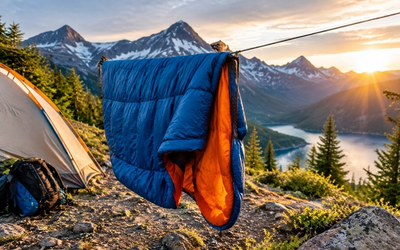
💡 Pro Tip: Always carry your fuel canister inside your sleeping bag overnight at high altitude—a warm canister can boost stove output by 30% or more on a cold morning.
MSR WhisperLite Universal: Best Overall for Extreme Altitude
| Criteria | Score |
|----------|-------|
| Cold-Weather Performance | 10/10 |
| Fuel Flexibility | 10/10 |
| Weight | 6/10 |
| Ease of Use | 7/10 |
The MSR WhisperLite Universal earns its reputation as the go-to stove for serious mountaineers because it simply refuses to quit. This dual-fuel workhorse runs on both isobutane canisters and white gas (liquid fuel), giving you the flexibility to switch fuels based on conditions—use a canister for convenience on moderate trips, then swap to white gas when temps drop below 10°F or you're climbing above 14,000 feet.
Pressure regulation is the real magic here. Unlike basic canister stoves that fade as internal pressure drops, the WhisperLite maintains consistent heat output from the first boil to the last sputter. Verified buyer reviews from Denali expeditions and Himalayan treks consistently praise its reliability in conditions where other stoves become paperweights. The stove weighs 11.2 oz (not counting fuel bottle), which is hefty compared to ultralight canister models, but that weight buys you field-maintainable construction—the included tool kit lets you clean or replace jets on the trail if needed.
Setup requires a bit more fuss than a screw-on canister stove: you'll prime the burner, pump the fuel bottle to build pressure, and manage a separate fuel line. But once you've done it a few times, the routine becomes second nature, and the payoff is a stove that works when nothing else will.
✅ Pros:
- Dual-fuel capability (white gas or canister) for ultimate flexibility
- Pressure-regulated for consistent output in sub-freezing temps
- Field-maintainable with included tool kit
❌ Cons:
- Heavier at 11.2 oz compared to canister-only models
- Requires priming and careful handling of liquid fuel
MSR PocketRocket 2: Best Ultralight Canister Stove for Moderate Altitude
| Criteria | Score |
|----------|-------|
| Weight | 10/10 |
| Boil Time | 8/10 |
| Wind Resistance | 5/10 |
| Value | 10/10 |
If your high-altitude trips stay below 12,000 feet and you're willing to baby your fuel canister (keep it warm, shelter it from wind), the MSR PocketRocket 2 delivers impressive performance in a ridiculously small package. At just 2.6 oz, it's the stove you forget is in your pack until you need it—then it unfolds in seconds and boils a liter of water in 3.5 minutes under ideal conditions.
Buyer reviews from Colorado 14er climbers and Sierra Nevada trekkers report solid performance between 8,000 and 11,000 feet as long as you follow best practices: start with a full, warm canister, cook in a sheltered spot or behind a makeshift windbreak, and don't expect miracles in a blizzard. The PocketRocket 2 isn't pressure-regulated, so output does drop as the canister empties or temps fall, but for summer alpine trips and shoulder-season overnights, it's hard to beat the weight-to-performance ratio at this price point.
The main limitation is wind—the open burner head is fully exposed, and even moderate gusts can blow the flame sideways or extinguish it entirely. Budget for a separate aluminum windscreen (adds 1-2 oz) if you're camping above treeline.
✅ Pros:
- Ultra-lightweight at 2.6 oz for fast-and-light alpine missions
- Boils water in 3.5 minutes even at 8,000+ feet
- Compact folding design fits in your palm
❌ Cons:
- No windscreen included—needs sheltered spot or separate windbreak
- Performance drops noticeably above 12,000 feet without warm canister
Soto WindMaster: Best Wind-Resistant Canister Stove
| Criteria | Score |
|----------|-------|
| Wind Resistance | 10/10 |
| Stability | 9/10 |
| Weight | 7/10 |
| Cold Performance | 7/10 |
The Soto WindMaster addresses the biggest weakness of canister stoves—wind vulnerability—with a clever concave burner head that cradles the flame and shields it from gusts. This design alone makes it the top choice for exposed ridgeline camps where you're cooking in persistent 20+ mph winds that would shut down a PocketRocket or similar open-burner model.
The four-arm pot support is wider and more stable than typical three-prong designs, which matters when you're balancing a pot on uneven talus or a snow platform you carved with your ice axe. Verified reviews from alpine climbers highlight this stability—one fewer thing to worry about when you're exhausted and your hands are cold. Performance up to 11,000 feet is solid based on buyer feedback from Rainier and Shasta climbs, though you'll still see the typical canister performance drop in extreme cold without pressure regulation.
At 3 oz (without optional pot supports), the WindMaster is slightly heavier than the PocketRocket 2 but lighter than integrated systems. The price premium over basic canister stoves (~$70 vs. ~$55) buys you that wind-beating burner geometry and better build quality.
✅ Pros:
- Built-in concave burner head shields flame from wind
- Four-arm pot support is stable on uneven alpine terrain
- Performs well up to 11,000 feet with warm canister prep
❌ Cons:
- Slightly heavier than competing ultralight models
- Price premium over basic canister stoves
Jetboil MiniMo: Best Integrated System for Cold-Weather Cooking
| Criteria | Score |
|----------|-------|
| Cold Performance | 9/10 |
| Simmer Control | 10/10 |
| Packability | 6/10 |
| Versatility | 8/10 |
The Jetboil MiniMo is the stove for alpinists who want to actually cook—not just boil water—at high altitude. Its integrated design pairs a pressure-regulated burner with an insulated 1-liter cooking cup, and the FluxRing heat exchanger grabs every BTU to boil water fast even when temps drop. Pressure regulation means consistent heat output down to 20°F, which is a game-changer for winter alpine trips or early-season climbs when canister performance typically nosedives.
What sets the MiniMo apart from other Jetboil models is true simmer control. The valve adjustment is precise enough to gently rehydrate a freeze-dried meal without scorching the bottom—a luxury when you're exhausted at 13,000 feet and craving something better than lukewarm ramen. The insulated cozy keeps your food hot while you eat, and the wide-mouth design makes it easier to scrape out every last bite.
The tradeoff is weight and bulk: 14.6 oz for the full system, and it doesn't pack as efficiently as a separate stove-and-pot setup. If you're counting ounces for a fast alpine push, this isn't your stove. But for expeditions where comfort and reliability matter more than shaving grams, the MiniMo delivers hot meals when you need them most.
✅ Pros:
- Regulated for consistent heat output down to 20°F
- Integrated cooking cup with insulated cozy speeds meal prep
- Simmer control lets you cook real meals, not just boil water
❌ Cons:
- Heavier integrated system at 14.6 oz
- Less packable than separate stove-and-pot setups
High-Altitude Stove Tips and Best Practices
Beyond choosing the right stove, your technique matters just as much at elevation. Always sleep with your fuel canister inside your sleeping bag—a warm canister can mean the difference between a 3-minute boil and a 10-minute struggle. If you're using liquid fuel, pump your fuel bottle an extra 10-15 strokes at altitude to compensate for lower air pressure.
Melt snow efficiently by starting with a small amount of water in your pot (prevents scorching), then adding snow gradually as it melts. Boiling takes longer at altitude because water's boiling point drops—at 14,000 feet, water boils at 187°F instead of 212°F, which means some dehydrated meals may need extra soak time to fully rehydrate.
If you're camping in an area where you'll need your stove the next day and temps will drop overnight, consider bringing your stove inside your tent vestibule or even your sleeping bag. A frozen stove won't hurt performance (once it warms up), but starting with warm metal speeds your morning routine.
💡 Pro Tip: Pack a small butane lighter as a backup ignition source—piezo igniters often fail above 10,000 feet due to moisture or cold, and fumbling with matches in wind wastes fuel and patience.
Frequently Asked Questions
What's the difference between a pressure-regulated and non-regulated stove?
A pressure-regulated stove maintains consistent internal pressure as the fuel canister empties or cools down, delivering steady heat output throughout the canister's life. Non-regulated stoves start strong but lose power as internal pressure drops—especially noticeable in cold temps or when the canister is half-empty. At high altitude in freezing conditions, a regulated stove can mean the difference between boiling water in 4 minutes versus 12 minutes (or not at all).
Can I use a regular canister stove above 10,000 feet?
Yes, but expect reduced performance. Basic canister stoves will work at moderate altitude (8,000-11,000 feet) in summer conditions if you keep the canister warm and sheltered from wind. Above 12,000 feet or in cold temps below 20°F, non-regulated canister stoves struggle significantly. If you're planning serious alpine trips, invest in a pressure-regulated model or switch to a liquid-fuel stove.
Is white gas better than canister fuel for high altitude?
White gas (liquid fuel) outperforms canisters in extreme cold because you manually pressurize the fuel bottle, and the fuel doesn't lose pressure as it cools. It's the gold standard for winter mountaineering and expeditions above 14,000 feet. However, white gas requires more setup, careful handling, and isn't as convenient for casual trips. Modern pressure-regulated canister stoves have narrowed the performance gap, making them viable for most high-altitude backpacking that isn't in deep winter.
How do I prevent my stove from failing in cold weather?
Keep your fuel warm (store canisters in your sleeping bag overnight), use a windscreen to protect the flame, and start cooking with a full canister when possible—internal pressure is highest at the beginning. For canister stoves, invert the canister to feed liquid fuel (only if your stove supports it) for better cold-weather performance. With liquid-fuel stoves, pump extra strokes into the fuel bottle to compensate for altitude.
Do I need a special fuel type for high altitude?
No special fuel is required, but fuel blend matters. For canister stoves, choose isobutane blends over straight propane when possible—isobutane performs better in cold. Some canisters are labeled "four-season" or "winter" and contain more isobutane. For liquid-fuel stoves, standard white gas works at any altitude; just ensure it's clean and filtered to prevent jet clogs.
Final Thoughts
Choosing the best camping stove for high altitude comes down to balancing performance, weight, and the conditions you'll actually face. If you're a serious mountaineer tackling winter peaks or expeditions above 14,000 feet, the MSR WhisperLite Universal is the most reliable option—its dual-fuel capability and pressure regulation won't leave you stranded with a cold stove at dawn. For summer alpine trips and fast-and-light missions below 12,000 feet, the MSR PocketRocket 2 delivers unbeatable performance per ounce at a price that won't drain your gear budget.
Remember that even the best stove requires smart technique at altitude: keep fuel warm, cook in sheltered spots, and carry backup ignition. And if you're building out your high-altitude kit, don't forget shelter—see our Camping Hammock vs Tent: Which Should You Choose for Backpacking in 2026? guide for advice on what works best above treeline. With the right stove and a bit of practice, you'll be boiling water and cooking hot meals on the highest peaks in your range.
Editor's Choice
MSR WhisperLite Universal — The most versatile high-altitude stove for serious mountaineers who need reliability in extreme cold and the flexibility to switch between white gas and canisters.
MSR PocketRocket 2 Ultralight Backpacking Stove — Best value for moderate-altitude summer trips where ultralight weight and fast boil times matter more than deep-winter performance.
Jetboil MiniMo — Top choice for alpinists who want an all-in-one system with pressure regulation and true simmer control for cooking real meals at altitude.