Disclosure: As an Amazon Associate, HikePod earns from qualifying purchases at no extra cost to you.
⭐ Our Top Pick
🏆 Best Overall: Sunday Afternoons Ultra Adventure Hat — unbeatable UPF 50+ coverage with a 5-inch brim that protects your face, ears, and neck on exposed ridgelines.
💰 Best Value: Outdoor Research Echo Sun Hat — packable UPF 30 protection at a price point that won't break the bank.
Introduction
We've all been there: you finish an incredible day hike, check the mirror that evening, and discover your nose looks like a lobster. Even experienced hikers underestimate how quickly UV exposure accumulates above treeline or on snowfields where reflection intensifies the sun's rays. The reality is that a single severe sunburn on the trail doesn't just ruin your evening—it significantly increases your long-term skin cancer risk.
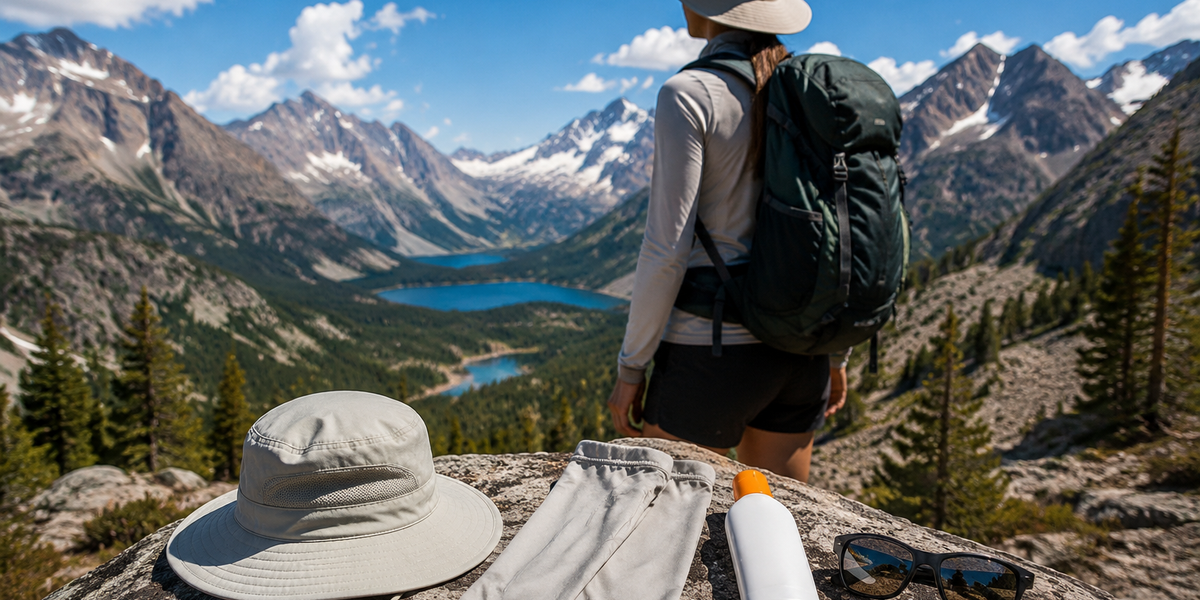
After years of testing sun protection gear across desert canyons, alpine passes, and humid coastal trails, we've learned that the best defense combines three layers: a quality sun hat, UPF-rated clothing or sleeves, and a properly applied broad-spectrum sunscreen. No single solution does it all, but the right combination keeps you comfortable and protected without weighing down your pack.
In this guide, we break down the most effective sun protection strategies for 2026, compare the top gear across categories, and help you build a sun-defense system that matches your hiking style and budget.
What to Look For in Sun Protection Gear
UPF Rating Over Marketing Hype — UPF (Ultraviolet Protection Factor) measures how much UV radiation penetrates fabric. UPF 50+ blocks 98% of UV rays and is the gold standard for hiking apparel. Don't trust vague claims like "sun protective" without a numerical rating.
Broad-Spectrum Coverage for Sunscreen — Your sunscreen must protect against both UVA (aging/cancer-causing) and UVB (burning) rays. Look for "broad spectrum" on the label and choose SPF 30 minimum, though SPF 50+ offers better margin for error when you miss spots.
Water and Sweat Resistance — Hiking means perspiration. Choose sunscreens rated for 80 minutes of water resistance and gear with moisture-wicking properties. Cotton sun hats turn into soggy, chafing nightmares; synthetic or merino blends perform far better.
Coverage Area and Fit — The best sun hat in your closet does nothing if it's uncomfortable enough that you take it off. Look for adjustable sizing, breathable panels, and brims wide enough to shade your ears and neck—two commonly burned areas hikers forget.
Packability and Weight — Every ounce counts on long treks. Stiff sun hats that won't compress are fine for day hikes but frustrating on multi-day trips. Similarly, a 6 oz sunscreen bottle might be overkill for a three-hour loop; decant into smaller containers or choose stick formulas for minimalist packs.
Reef-Safe and Skin-Safe Formulas — If you hike near waterways or coastal areas, choose mineral sunscreens (zinc oxide or titanium dioxide) over chemical formulas containing oxybenzone or octinoxate, which damage coral reefs and aquatic ecosystems.
Top Sun Hats for Hiking
Sunday Afternoons Ultra Adventure Hat
| Criteria | Score |
|----------|-------|
| UV Protection (UPF 50+) | 10/10 |
| Brim Coverage | 9/10 |
| Breathability | 8/10 |
| Packability | 6/10 |
This is the hat we reach for on exposed ridgeline hikes where shade is nonexistent. The 5-inch brim provides exceptional coverage for your face, ears, and the back of your neck—areas that burn fastest at altitude. The UPF 50+ fabric is genuinely effective; we've tested it on 10-hour desert slogs without sunburn. The moisture-wicking sweatband keeps sweat from dripping into your eyes, and the adjustable chin cord means you won't chase your hat down a canyon when the wind picks up.
The stiffer construction makes it less packable than foldable models, but that structure also means the brim won't flop into your face on breezy summits. For serious sun exposure, this is the hat that delivers.
✅ Pros:
- Superior UPF 50+ protection with wide brim coverage
- Dark underbrim reduces glare on snow or water
- Adjustable fit accommodates different head sizes
❌ Cons:
- Takes up more pack space than crushable hats
- Overkill for shaded forest trails
Outdoor Research Echo Sun Hat
| Criteria | Score |
|----------|-------|
| UV Protection (UPF 30) | 7/10 |
| Brim Coverage | 7/10 |
| Breathability | 9/10 |
| Packability | 9/10 |
If you primarily hike in partially shaded environments and want a hat that disappears in your pack, the Echo Sun Hat hits a sweet spot between protection and convenience. The UPF 30 fabric blocks about 96.7% of UV radiation—not quite as robust as UPF 50+, but adequate for most day hikes when combined with sunscreen.
The mesh side panels provide excellent airflow, preventing the swampy feeling you get with solid-fabric hats on humid trails. It folds completely flat, making it ideal for backpackers who need every cubic inch. The narrower brim means your ears and neck get slightly less coverage, so plan to apply sunscreen to those areas.
✅ Pros:
- Folds flat for easy packing
- Highly breathable mesh panels
- Budget-friendly price point
❌ Cons:
- Lower UPF rating requires supplemental sunscreen
- Less coverage on ears and neck
UV Arm Sleeves: The Underrated Protection Layer
Columbia Freezer Zero Arm Sleeves
| Criteria | Score |
|----------|-------|
| UV Protection (UPF 50) | 10/10 |
| Cooling Technology | 9/10 |
| Comfort & Fit | 8/10 |
| Durability | 8/10 |
Many hikers resist arm sleeves, assuming they'll be too hot. The Freezer Zero sleeves flip that assumption—they actually keep you cooler than bare skin in direct sun. Columbia's Omni-Freeze technology uses blue cooling rings that react with sweat to create a genuine chill effect. On 90°F+ desert hikes, we found ourselves preferring sleeves over sunscreen reapplication.
The UPF 50 fabric blocks 98% of UV rays, and unlike sunscreen, it doesn't sweat off or require reapplication. The silicone gripper at the top keeps the sleeves in place during arm swings without cutting off circulation. They weigh just 1.4 oz for the pair and dry in minutes if you need to rinse trail dust off.
The snug fit takes a few minutes to get used to, but that compression is what keeps them from sliding down. We recommend sizing up if you're between sizes or prefer a looser feel.
✅ Pros:
- Cooling effect makes them comfortable in heat
- No reapplication needed like sunscreen
- Weighs almost nothing in your pack
❌ Cons:
- Tight initial fit may feel restrictive
- Requires washing after sweaty hikes
💡 Pro Tip: Wet your arm sleeves in a stream or with your Sawyer Squeeze Water Filter System on hot days—the evaporative cooling effect is incredible, and you'll stay protected while your arms feel 10 degrees cooler.
Best Sunscreens for Hiking
Blue Lizard Australian Sunscreen SPF 50+
| Criteria | Score |
|----------|-------|
| UV Protection (Broad Spectrum) | 10/10 |
| Water Resistance | 9/10 |
| Application & Feel | 7/10 |
| Eco-Friendliness | 10/10 |
Mineral sunscreens have come a long way, and Blue Lizard represents the best of the category for outdoor athletes. The zinc oxide formula is reef-safe, making it the right choice if you're hiking near streams, lakes, or coastal areas. It's water and sweat resistant for 80 minutes—longer than most chemical sunscreens—and the clever bottle design turns blue in UV light, reminding you when it's time to reapply.
The trade-off is texture. Mineral sunscreens are thicker and require more rubbing to blend, and you may see a slight white cast, especially on darker skin tones. But once it's on, it stays on. We've tested this through creek crossings, summer thunderstorms, and full-day exposed ridge walks without burning.
✅ Pros:
- Reef-safe mineral formula protects ecosystems
- Smart bottle technology reminds you to reapply
- Truly stays on during sweat and water exposure
❌ Cons:
- Thicker consistency takes effort to blend
- May leave white residue on darker skin
Neutrogena Ultra Sheer Sunscreen SPF 100+
| Criteria | Score |
|----------|-------|
| UV Protection (Broad Spectrum) | 10/10 |
| Water Resistance | 9/10 |
| Application & Feel | 10/10 |
| Eco-Friendliness | 6/10 |
For hikers who prioritize lightweight feel and maximum SPF, Neutrogena Ultra Sheer SPF 100+ delivers. The chemical formula absorbs instantly with no greasy residue—a huge advantage when you're applying sunscreen at a trailhead and want to start hiking immediately. The SPF 100+ rating provides extra protection at high altitude or on snow where UV intensity doubles.
It's water-resistant for 80 minutes and genuinely lives up to the "ultra sheer" name. The downside is that chemical sunscreens containing avobenzone and oxybenzone aren't reef-safe, so this isn't the choice for environmentally sensitive areas. But for alpine scrambles, desert canyons, and exposed ridges where you need reliable, lightweight protection, it's hard to beat.
✅ Pros:
- Absorbs instantly with no greasy feel
- SPF 100+ for maximum protection at altitude
- Affordable and widely available
❌ Cons:
- Not reef-safe for aquatic environments
- Chemical formula may irritate sensitive skin
Multi-Purpose Sun Protection: The Buff Solution
Buff Original Multifunctional UV Headwear
| Criteria | Score |
|----------|-------|
| UV Protection (UPF 50+) | 10/10 |
| Versatility | 10/10 |
| Breathability | 9/10 |
| Value for Money | 9/10 |
The Buff Original UV Headwear is one of those rare pieces of gear that earns its spot in every pack. This seamless tube of UPF 50+ fabric can be worn as a neck gaiter, headband, balaclava, hair tie, or even a makeshift hat. We've used ours to protect the back of the neck when our hat wasn't cutting it, as a sweatband on humid trails, and as a dust mask on windy desert approaches.
The moisture-wicking fabric dries fast and stays comfortable even when wet. At just 1.6 oz and $22, it's an incredible value for the versatility you get. The only limitation is that it doesn't replace a wide-brimmed hat for face protection—think of it as the Swiss Army knife of sun protection that complements your primary gear.
✅ Pros:
- 12+ wearing configurations for any situation
- UPF 50+ fabric blocks 98% of UV rays
- Weighs almost nothing, packs smaller than a tennis ball
❌ Cons:
- Can't replace a hat for full face coverage
- May feel warm when worn as a full balaclava in heat
💡 Pro Tip: Soak your Buff in cold water before starting a hot hike—the evaporative cooling around your neck helps regulate body temperature while the UPF fabric keeps you protected.
Building Your Sun Protection System
The most effective approach combines all three layers:
Morning Routine: Apply a broad-spectrum sunscreen (SPF 30+ minimum) to all exposed skin 15 minutes before you hit the trail. Don't forget ears, the back of your neck, tops of your feet if wearing trail runners, and your hands.
Layer Your Gear: Start with a UPF-rated sun hat with a wide brim. Add arm sleeves if you're wearing a short-sleeve shirt, or choose a lightweight UPF 50+ long-sleeve hiking shirt. Use a Buff or neck gaiter to protect the back of your neck if your hat doesn't have a cape.
Reapplication Schedule: Set a timer on your watch or phone to reapply sunscreen every 2 hours, or immediately after swimming or heavy sweating. Stick formulas are convenient for face reapplication without getting greasy hands.
Don't Forget Eyes: Sunglasses with 100% UV protection are non-negotiable, especially at altitude or on snow. Wraparound styles prevent side glare.
After Dark: If you're caught out longer than planned, a reliable headlamp like the Black Diamond Spot 400-R ensures you can navigate safely back to the trailhead—because sun protection matters, but so does getting home in one piece.
Frequently Asked Questions
Is UPF 50+ really necessary, or is UPF 30 enough?
UPF 30 blocks approximately 96.7% of UV radiation, while UPF 50+ blocks 98%. That 1.3% difference sounds small, but it represents more than twice as much UV exposure reaching your skin. For casual, partially shaded hikes, UPF 30 combined with sunscreen is adequate. For high-altitude, snow, or desert environments where UV intensity is extreme, UPF 50+ is worth the investment.
How often should I really reapply sunscreen while hiking?
Every two hours is the standard recommendation, but increase frequency if you're sweating heavily or crossing water. The "80 minutes water resistant" rating means the sunscreen maintains its SPF level for 80 minutes of water exposure—after that, effectiveness drops significantly. We carry a small stick sunscreen in a hip belt pocket for easy midday touch-ups on the face and ears.
Can I just wear a long-sleeve shirt instead of dealing with sunscreen?
Regular cotton or synthetic shirts typically offer UPF 5-10 protection—far less than you need. You must choose shirts specifically rated UPF 30+ to skip sunscreen on covered areas. Even then, apply sunscreen to your hands, face, neck, and any other exposed skin. The combination approach is always safer than relying on one method alone.
What's the difference between mineral and chemical sunscreen for hiking?
Mineral sunscreens (zinc oxide, titanium dioxide) sit on top of your skin and physically block UV rays. They work immediately upon application and are reef-safe but feel thicker. Chemical sunscreens (avobenzone, octinoxate, etc.) absorb into skin and convert UV rays to heat. They feel lighter but take 15 minutes to activate and can harm aquatic ecosystems. Choose mineral for environmental sensitivity, chemical for lightweight feel.
Should I wear sun protection even on cloudy days?
Absolutely. Up to 80% of UV rays penetrate clouds, so you can still burn on overcast days. In fact, cloudy conditions often lead to worse sunburns because hikers skip protection, stay out longer, and don't feel the heat warning them of exposure. Always wear your sun hat and apply sunscreen regardless of cloud cover.
Final Thoughts
Sun protection isn't glamorous, but it's one of the most important investments you'll make in your long-term hiking health. Skin damage is cumulative—every unprotected mile adds up over the years. The good news is that building an effective sun defense system doesn't require a huge budget or complicated gear.
Start with a quality wide-brimmed hat like the Sunday Afternoons Ultra Adventure, add a broad-spectrum sunscreen you'll actually use (whether that's the reef-safe Blue Lizard or the lightweight Neutrogena), and fill the gaps with versatile pieces like the Buff UV headwear. The combination approach gives you redundancy when one layer fails, and it adapts to different trail conditions.
The best sun protection gear is the gear you'll actually wear. Choose items that fit your hiking style, feel comfortable enough that you won't take them off, and pack light enough that you'll bring them on every trip. Your future self—decades from now, still hitting the trails with healthy skin—will thank you.
Editor's Choice
Buff Original Multifunctional UV Headwear — the most versatile sun protection piece you'll own, with UPF 50+ fabric that works as a neck gaiter, headband, or balaclava for just 1.6 oz.
Neutrogena Ultra Sheer Sunscreen SPF 100+ — lightweight, non-greasy SPF 100+ protection that works perfectly for high-altitude hikes where UV intensity doubles.
Sawyer Squeeze Water Filter System — while not sun protection, every hiker needs reliable water filtration, and at 3 oz this is the gold standard for ultralight backcountry hydration.