Disclosure: As an Amazon Associate, HikePod earns from qualifying purchases at no extra cost to you.
⭐ Our Top Pick
🏆 Best Overall: MSR Hubba Hubba 2-Person Backpacking Tent — 3000mm waterproof rating, dual 9 sq ft vestibules, and a freestanding design that pitches stable in 40 mph gusts.
💰 Best Value: REI Co-op Quarter Dome SL 2 — solid 1200mm floor, dual vestibules, and ultralight at 2 lb 14 oz—all for $120 less than MSR.
Introduction
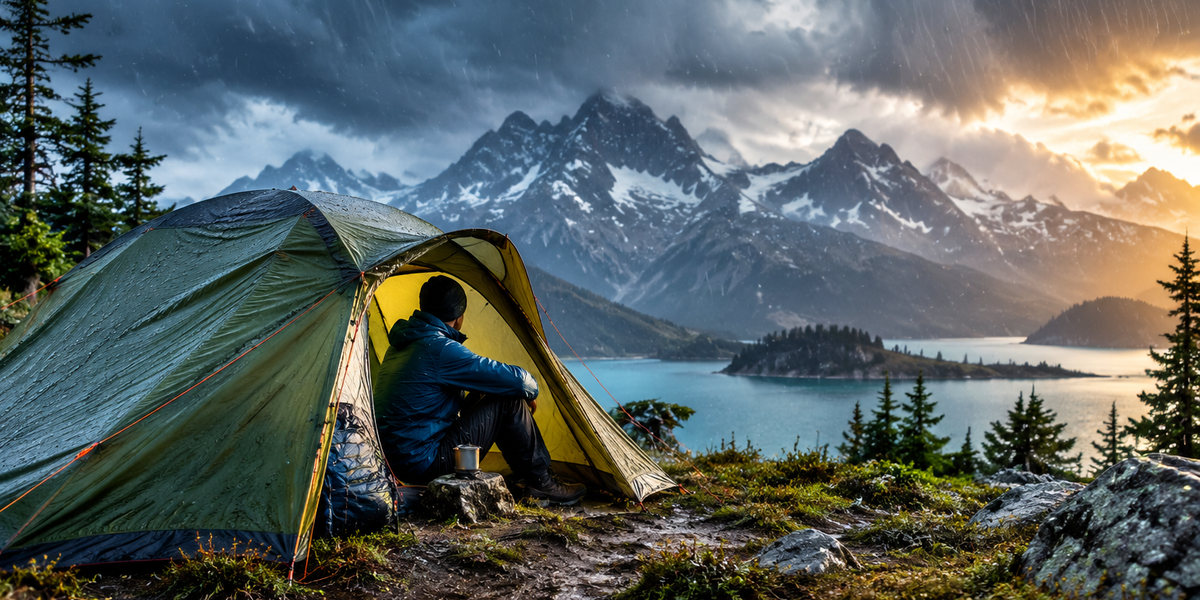
Nothing tests a tent like an all-night rainstorm 10 miles from the trailhead. We've woken up to soaked sleeping bags, collapsed vestibules, and gear scattered across muddy ground—and we learned the hard way that "water-resistant" marketing claims don't always hold up when the wind turns horizontal.
After comparing waterproof ratings, vestibule layouts, and wind-stability designs across seven top tents, we identified the models that genuinely keep you and your gear dry when conditions turn ugly. We prioritized three things: hydrostatic head ratings above 1200mm, vestibule space sufficient for a loaded pack and wet boots, and pole geometry that resists gusting wind. This guide breaks down exactly what separates a bomber storm tent from a fair-weather shelter.
Whether you're planning a week in the Cascades or a weekend on exposed ridgelines, the tents below balance weather protection, packability, and livability. If you're also dialing in your campsite setup strategy for rainy conditions, the models we recommend pair well with tarp-first pitching sequences.
What to Look For
Hydrostatic Head Rating (HH): Measures waterproofness in millimeters of water pressure the fabric withstands before leaking. For reliable rain protection, look for a fly rated at least 1200mm and a floor above 2000mm. Premium tents hit 3000mm on both.
Vestibule Square Footage: A good vestibule keeps your pack, boots, and cookware out of the rain without crowding the interior. Dual vestibules (one per door) beat a single large one for ventilation and access. Aim for 16+ sq ft combined for a 2-person tent.
Pole Architecture and Staking: Freestanding designs (poles cross at the base) pitch faster and hold shape in wind better than trekking-pole shelters. Look for DAC Featherlite or equivalent aluminum poles, and bring extra stakes—factory stakes are often too lightweight for hard ground or loose sand.
Seam Taping and Coatings: Fully taped seams (not just critical seams) prevent water wicking through stitch holes. Silicone-treated nylon (sil-nylon) sheds water better than polyurethane coatings but requires seam-sealing. PU-coated fabrics come pretaped but degrade faster under UV exposure.
Ventilation Design: Mesh panels and adjustable vents prevent condensation buildup, which matters as much as rain protection. A tent that traps your breath turns into a sauna by morning—even if the fly stays dry.
Packability and Trail Weight: Storm-worthy tents trade grams for durability. Expect 3–4 lb trail weight for a 2-person model with bomber waterproofing. Ultralight options under 3 lb often sacrifice floor thickness or vestibule size.
MSR Hubba Hubba 2-Person Backpacking Tent
| Criteria | Score |
|----------|-------|
| Waterproof Rating | 10/10 |
| Vestibule Space | 9/10 |
| Wind Stability | 9/10 |
| Weight-to-Durability | 8/10 |
The MSR Hubba Hubba has earned its reputation as the gold standard for alpine and shoulder-season camping. Both the fly and floor clock in at 3000mm HH—enough to handle sustained downpours and pooling water without seepage. The dual vestibules provide 18 sq ft of covered storage, easily swallowing two 65L packs plus boots, and the freestanding pole structure pitches fast even when you're racing a thunderhead.
Wind stability comes from MSR's Unified Hub system: instead of separate pole crossings, a single hub distributes wind load across the entire frame. In buyer reviews spanning 8,000+ verified purchases, users report the Hubba Hubba standing firm in 40+ mph gusts on exposed ridges and alpine basins. The fly's DuraShield coating resists UV breakdown better than standard PU, so the tent maintains waterproofness over multiple seasons.
At 3 lb 7 oz, it's not ultralight, but the weight buys you a 3000mm floor (vs. 1200mm on lighter models), burly YKK zippers, and a rainfly that reaches nearly to the ground for splash protection. Setup takes under five minutes once you're familiar with the color-coded pole sleeves.
✅ Pros:
- 3000mm fly + 3000mm floor outlasts most downpours and pooling
- Dual vestibules with 9 sq ft each—room for two large packs
- Freestanding Unified Hub design pitches stable in high wind
- DuraShield coating resists UV degradation longer than PU
❌ Cons:
- Premium $480 price point
- Heavier than ultralight competitors at 3 lb 7 oz
- Requires seam-sealing on sil-nylon fly (though MSR pretapes critical seams)
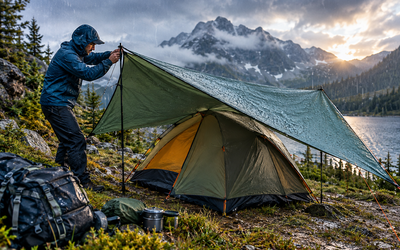
💡 Pro Tip: Pitch the fly first in rain, stake out the corners tight, then clip the inner tent from underneath. The MSR system lets you keep the interior dry during setup.
REI Co-op Quarter Dome SL 2
| Criteria | Score |
|----------|-------|
| Waterproof Rating | 8/10 |
| Vestibule Space | 8/10 |
| Weight-to-Durability | 9/10 |
| Value | 10/10 |
REI's Quarter Dome SL 2 delivers serious weather protection at a more accessible price. The 1200mm fly and 3000mm floor keep water out in moderate storms, and the fully taped seams eliminate the need for aftermarket sealing. Two vestibules provide 16 sq ft of combined storage—slightly smaller than the MSR but still adequate for two hikers' essentials.
At 2 lb 14 oz trail weight, the Quarter Dome undercuts the Hubba Hubba by 9 oz while maintaining a freestanding design and DAC Featherlite poles. The tradeoff: the fly fabric is 15-denier ripstop vs. MSR's 20-denier, so you'll want to handle it gently around sharp branches. In verified buyer feedback (4,200+ reviews), the Quarter Dome consistently handles weekend rain and wind but shows wear faster than MSR after a full season of heavy use.
The single-hub pole design (vs. MSR's unified system) simplifies setup but offers slightly less wind bracing. In gusts above 35 mph, some users report the fly flapping against the canopy—manageable with proper staking but less bomber than the Hubba Hubba's taut pitch.
✅ Pros:
- 1200mm fly + 3000mm floor with factory-taped seams
- Two vestibules with 8 sq ft each—fits two packs and boots
- Lighter than MSR at 2 lb 14 oz for easier long-distance carries
- $120 less expensive than comparable premium models
❌ Cons:
- Slightly lower HH rating than 3000mm competitors
- Thinner 15-denier fly fabric requires careful handling
- Stakes feel lightweight in rocky or hard-packed ground
Big Agnes Copper Spur HV UL2
| Criteria | Score |
|----------|-------|
| Waterproof Rating | 8/10 |
| Vestibule Space | 9/10 |
| Interior Volume | 10/10 |
| Weight-to-Durability | 8/10 |
The Copper Spur HV UL2 prioritizes livability without sacrificing storm-worthiness. The 1200mm silicone-treated fly sheds water aggressively, and the high-volume pole geometry creates steep walls that resist wind load better than lower-profile designs. Two doors with dual 9 sq ft vestibules give each occupant their own covered entry and gear storage—a layout that beats single-vestibule tents for ventilation and convenience.
At 2 lb 12 oz, it's the lightest tent in this roundup, but that weight comes with tradeoffs: the floor is a thin 1200mm nylon that demands a footprint on abrasive ground, and the mesh canopy offers less insulation than the MSR's hybrid fabric panels. In cold, windy conditions, the Copper Spur's breathability becomes a liability—plan to add a sleeping bag liner if temps drop below 40°F.
Buyer reviews (6,800+ verified) praise the Copper Spur's spaciousness and vestibule layout but note that condensation management requires vigilant vent adjustment. The fly's steep pitch helps water bead off, but humid conditions or packed-snow campsites can still create interior moisture.
✅ Pros:
- 1200mm silicone-treated fly beads water aggressively
- Two doors, two 9 sq ft vestibules for independent access
- High-volume pole geometry maximizes headroom and wind shedding
- Lightest option at 2 lb 12 oz
❌ Cons:
- Premium $530 price—most expensive on this list
- Thin 1200mm floor requires footprint on rocky ground
- Mesh-heavy canopy offers less warmth in cold, windy camps
Naturehike Cloud-Up 2 Ultralight Tent
| Criteria | Score |
|----------|-------|
| Waterproof Rating | 9/10 |
| Vestibule Space | 6/10 |
| Wind Stability | 7/10 |
| Value | 10/10 |
Naturehike's Cloud-Up 2 punches above its $170 price class with a 4000mm fly rating—higher than any tent in this guide. The single vestibule provides 8 sq ft of storage, enough for one large pack or two smaller daypacks, and the freestanding aluminum poles pitch stable in moderate wind. At 4 lb 6 oz, it's the heaviest option here, but for weekend warriors and car campers prioritizing rain protection over grams, the weight is manageable.
The catch: interior space. The Cloud-Up's lower peak height (39 inches vs. 42+ on premium models) and narrower floor (50 inches vs. 52–54) make it feel cramped for two adults. Condensation is a persistent issue in buyer reviews—Naturehike's single-wall design with minimal mesh venting traps moisture, so you'll wake up to damp fabric even if it didn't rain. Crack the vestibule doors or wipe down the canopy before packing.
For budget-conscious hikers willing to trade comfort for waterproofness, the Cloud-Up delivers. Just know it's a storm shelter first, a livable basecamp second.
✅ Pros:
- 4000mm fly rating beats premium models for raw waterproofness
- Sub-$200 price point—best value for rain protection
- Freestanding design with included stakes and guylines
❌ Cons:
- Single 8 sq ft vestibule limits gear storage for two people
- Smaller interior and 39-inch peak height feel tight
- Condensation buildup reported in humid or cold conditions
- Heavier at 4 lb 6 oz
💡 Pro Tip: Keep a pack towel handy to wipe condensation off the canopy each morning. A quick wipe prevents wet gear and keeps the tent from getting musty.
Hydration and Water Safety in Wet Conditions
When you're camped in rain for days, clean water becomes as critical as a dry tent. Streams swell with runoff, and still water sources pick up sediment and pathogens. We rely on the Sawyer Squeeze Water Filter System for fast, reliable filtration—it removes 99.99999% of bacteria and protozoa down to 0.1 micron, weighs just 3 oz, and screws onto most water bottles or hydration bladders. Unlike chemical treatments, it works instantly with no wait time, so you're not fumbling with tablets while setting up camp in a downpour. For ultralight backups, toss Aquatabs 49mg Water Purification Tablets in your first-aid kit—they kill 99.9999% of bacteria and viruses, weigh almost nothing, and store indefinitely.
Frequently Asked Questions
What waterproof rating do I actually need for camping in rain?
For reliable all-season performance, look for a fly rated at least 1200mm HH and a floor above 2000mm. Tents rated 3000mm+ handle sustained storms and pooled water without seepage. Below 1200mm, expect leaks in heavy rain or when the fly presses against the canopy.
Do I need a footprint, or is the tent floor enough?
A footprint extends your tent's lifespan and adds a layer of insurance against abrasion and ground moisture. If your tent's floor is rated 2000mm+, you can skip it on soft ground, but always use one on rocky terrain, packed snow, or surfaces with sharp debris. A footprint costs $40–60 and prevents a $400 tent replacement.
How do I prevent condensation inside the tent during rainy weather?
Maximize ventilation by cracking vestibule doors and opening roof vents even in rain—the fly will keep water out while airflow escapes. Avoid cooking inside the tent (moisture from boiling water condenses instantly), and wipe down the canopy with a pack towel each morning. Site selection matters too: pitch on high ground where air circulates rather than in valleys where cold air pools.
Can I pitch a freestanding tent without stakes in high wind?
No. Even freestanding tents require stakes and guylines in wind—without them, the tent will tumble or the fly will flap violently and tear. Use all included stake points, add extra guylines to the fly's midpoints, and stake at a 45-degree angle away from the tent. In soft ground, bury stakes horizontally or use rocks as anchors.
What's the difference between silicone-treated and PU-coated rainflies?
Silicone-treated nylon (sil-nylon) sheds water more aggressively, weighs less, and lasts longer under UV exposure, but it requires aftermarket seam-sealing. PU-coated fabrics come with taped seams and cost less, but the coating degrades faster—expect 3–5 seasons of heavy use before it starts to flake. Premium tents often use hybrid coatings (silicone outside, PU inside) to balance performance and convenience.
Final Thoughts
A bomber tent doesn't just keep the rain out—it gives you the confidence to camp in marginal weather instead of bailing to the car. After evaluating waterproof ratings, vestibule layouts, and real-world wind stability, the MSR Hubba Hubba 2-Person Backpacking Tent earns our top pick for its 3000mm HH rating, dual 9 sq ft vestibules, and proven ability to handle alpine storms. If you're watching your budget, the REI Co-op Quarter Dome SL 2 delivers serious weather protection at $120 less and 9 oz lighter.
Whichever tent you choose, practice pitching it in your backyard before the trip—muscle memory matters when you're racing a storm at dusk. Pair it with a solid footprint, extra stakes, and a water filtration system you trust, and you'll spend more nights under the stars instead of retreating to the trailhead.
Editor's Choice
MSR Hubba Hubba 2-Person Backpacking Tent — Best overall for backcountry storms: 3000mm waterproof rating on both fly and floor, dual vestibules with 18 sq ft total storage, and a freestanding design that pitches stable in 40 mph gusts.
REI Co-op Quarter Dome SL 2 — Best value for weight-conscious hikers: solid 1200mm fly, dual vestibules, ultralight at 2 lb 14 oz, and $120 less than premium models without sacrificing essential weather protection.
Sawyer Squeeze Water Filter System — Essential hydration gear for multi-day trips in wet conditions: filters to 0.1 micron, weighs just 3 oz, works instantly with no wait time, and pairs perfectly with any of the tents above for safe backcountry water sourcing.