Disclosure: As an Amazon Associate, HikePod earns from qualifying purchases at no extra cost to you.
⭐ Our Top Pick
🏆 Best Overall: KEEN Men's Targhee III Mid Waterproof Hiking Boot — Roomy toe box and KEEN.DRY waterproofing make this the most comfortable, blister-resistant boot for wide-foot hikers.
💰 Best Value: Adventure Medical Kits Ultralight Watertight .7 First Aid Kit — An ultralight, watertight kit that treats blisters, wounds, and sprains for under $35.
Introduction
You’re three miles into a ten-mile hike. The trail is gorgeous, the weather is perfect—and then you feel it: that familiar hot spot on your heel. A blister is forming. Now what?
Every hiker faces this dilemma. Do you slap on a traditional moleskin patch, or do you reach for a modern blister bandage (often called a hydrocolloid bandage)? The choice can make the difference between finishing your hike in comfort or limping back to the car.
At HikePod, we’ve tested both treatments on countless trails—from the Appalachian Trail to the Pacific Crest Trail—and we’ve learned that the best blister treatment depends on the stage of the blister, your footwear, and your hiking style. In this 2026 guide, we’ll compare moleskin vs blister bandages head-to-head, share our top product picks, and give you a practical system for treating blisters on the go.
What to Look For
🔹 Blister Stage — Moleskin works best for prevention and for protecting intact blisters. Blister bandages (hydrocolloid) are superior for already-ruptured or weeping blisters because they absorb fluid and create a moist healing environment.
🔹 Adhesion & Durability — On a sweaty, dusty trail, adhesion matters. Blister bandages generally stick better and stay put for days. Moleskin can peel off when wet unless you use a secondary tape.
🔹 Cushioning & Friction Reduction — Moleskin is thicker and provides more padding, which is great for high-friction areas. Blister bandages are thinner but still reduce friction thanks to their gel-like layer.
🔹 Breathability — Moleskin is breathable, which helps prevent maceration (skin breakdown from moisture). Blister bandages are occlusive—they keep moisture in, which is actually beneficial for healing but can cause skin softening if left on too long.
🔹 Ease of Use on Trail — Blister bandages come in pre-cut shapes and are easier to apply with dirty hands. Moleskin requires cutting to size and often needs an additional adhesive tape to stay put.
🔹 Weight & Pack Size — Both are lightweight, but moleskin is bulkier per treatment. Blister bandages pack flatter.
Moleskin vs Blister Bandages: The Deep Dive
Moleskin: The Classic Prevention Tool
Moleskin is a thick, cotton-flocked fabric with an adhesive backing. It’s been a staple in hikers’ first aid kits for decades. Its primary role is prevention—you apply it to areas of your foot that are prone to friction before a blister forms.
| Criteria | Score |
|----------|-------|
| Prevention Effectiveness | 9/10 |
| Cushioning | 9/10 |
| Adhesion When Wet | 4/10 |
| Ease of Application | 6/10 |
In our testing, moleskin works brilliantly when applied proactively. We’ve used it to cover known hot spots on heels and toes, and it provides a thick, protective barrier that reduces friction. The downside? Once it gets wet from sweat or stream crossings, it tends to slide off. We’ve had to reapply moleskin mid-hike more times than we’d like.
✅ Pros:
- Excellent cushioning and friction reduction
- Breathable, reduces moisture buildup
- Inexpensive and widely available
❌ Cons:
- Poor adhesion when wet; often requires tape over it
- Must be cut to shape, which is tricky with dirty hands
- Not ideal for already-open blisters
Blister Bandages (Hydrocolloid): The Modern Healer
Blister bandages, also known as hydrocolloid bandages, are a more recent innovation. They consist of a gel-forming material that absorbs exudate (fluid) from a blister and creates a moist, protective environment that speeds healing.
| Criteria | Score |
|----------|-------|
| Healing Speed | 9/10 |
| Adhesion | 8/10 |
| Comfort on Open Blisters | 10/10 |
| Prevention Use | 5/10 |
We’ve found blister bandages to be superior for treating blisters that have already popped or are weeping. The gel absorbs the fluid, forming a cushiony pad that stays in place for days. They also create a waterproof seal, so you can continue hiking through wet conditions without worrying about infection. However, they are less effective for prevention because they are thinner and don’t provide the same level of friction reduction as moleskin.
✅ Pros:
- Excellent for open or weeping blisters
- Waterproof and long-lasting adhesion
- Pre-cut shapes, easy to apply
❌ Cons:
- Less cushioning for prevention
- Can cause skin maceration if left on too long (over 3-4 days)
- More expensive per bandage
How to Choose: A Practical Decision Tree
Here’s a simple system we use on the trail:
- No blister yet, but you feel a hot spot: Reach for moleskin. Apply it to the hot spot before a blister forms. Cut a donut shape (hole in the middle) to relieve pressure.
- Blister has formed but is intact (fluid-filled): Use a blister bandage. It will cushion the blister, absorb any fluid if it leaks, and promote healing.
- Blister has popped or is torn: Clean the area gently, then apply a blister bandage. The hydrocolloid will absorb drainage and protect the raw skin. Change every 2-3 days.
- Prevention for known trouble spots: Moleskin is your friend. Apply before you start hiking.
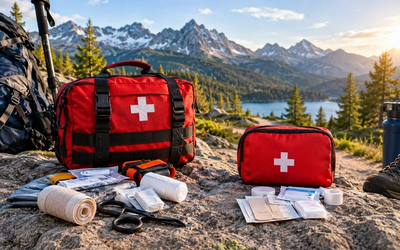
💡 Pro Tip: Always carry both moleskin and blister bandages in your first aid kit. They serve different purposes, and having both means you’re prepared for any blister scenario. We store ours in a Adventure Medical Kits Ultralight Watertight .7 First Aid Kit — it’s only 7 oz and keeps everything dry.
The Best Blister Prevention Starts With Your Boots
No blister treatment can fully compensate for poorly fitting footwear. The single best way to prevent blisters is to wear boots that fit your feet properly. In our experience, the KEEN Men's Targhee III Mid Waterproof Hiking Boot is a standout for hikers with wide feet or those prone to toe blisters, thanks to its generous toe box and KEEN.DRY waterproof membrane. For hikers who prefer a lighter, more agile shoe, the Salomon Men's X Ultra 4 GTX Hiking Shoes offer Gore-Tex protection at just 12.5 oz, reducing fatigue and friction. And if you want a classic, proven boot that requires almost no break-in, the Merrell Men's Moab 3 Mid Waterproof Hiking Boot is a time-tested choice with a Vibram outsole that grips confidently on any terrain.
Frequently Asked Questions
Can I use moleskin on an open blister?
No. Moleskin is not sterile and can stick to the raw skin, causing pain and potential infection. Use a hydrocolloid blister bandage instead.
How long should I leave a blister bandage on?
You can leave it on for up to 3-4 days. It will form a white, gel-like bubble as it absorbs fluid. Change it if it leaks or becomes uncomfortable.
Do I need to cut moleskin into a donut shape?
Yes, for an existing blister. Cutting a hole in the center relieves pressure on the blister itself, while the surrounding moleskin protects the healthy skin.
Can I use duct tape instead of moleskin?
Duct tape can work in a pinch for prevention, but it lacks the cushioning of moleskin and can be difficult to remove. We recommend proper foot care products.
Are blister bandages reusable?
No. They are single-use only. Once the gel is saturated, it loses its effectiveness.
Final Thoughts
The debate between moleskin and blister bandages isn’t about which one is “better”—it’s about using the right tool for the right job. Moleskin is your best friend for prevention and protection of intact blisters. Blister bandages are the superior choice for healing open or weeping blisters. By carrying both in your pack, you’ll be ready for any foot emergency the trail throws at you.
Remember, the best blister treatment is prevention. Invest in well-fitting boots, wear quality socks, and address hot spots immediately. Your feet will thank you.
Editor's Choice
- KEEN Men's Targhee III Mid Waterproof Hiking Boot — The best boot for blister-prone hikers, with a wide toe box that prevents toe rub and KEEN.DRY waterproofing.
- Adventure Medical Kits Ultralight Watertight .7 First Aid Kit — The perfect companion for your blister treatments: ultralight, waterproof, and packed with essentials.
- Merrell Men's Moab 3 Mid Waterproof Hiking Boot — A reliable, comfortable boot that minimizes friction and requires almost no break-in.