Disclosure: As an Amazon Associate, HikePod earns from qualifying purchases at no extra cost to you.
⭐ Our Top Pick
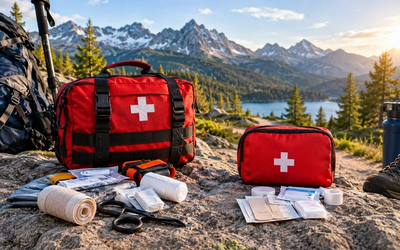
🏆 Best Overall: Adventure Medical Kits Ultralight Watertight .7 First Aid Kit — watertight protection for essential wound care, blister treatment, and the basic supplies you need to treat heat-related skin issues on trail.
💰 Best Value: Moleskin Blister Prevention Pads — under $10 for multi-purpose protection that works for blisters, sunburn friction points, and heat rash coverage.
Introduction
We've all been there: three hours into a spectacular ridge traverse, you realize your neck is lobster-red and that itchy rash under your pack straps is spreading. Sunburn and heat rash are among the most common—and most preventable—trail injuries, yet they can turn a dream hike into a painful ordeal if left untreated.
As long-distance hikers who've logged thousands of miles across sun-baked deserts and humid mountain ranges, we've learned the hard way that proper treatment starts the moment symptoms appear. Waiting until you're back at the trailhead often means days of unnecessary discomfort and potential complications like infection or heat exhaustion.
In this guide, we'll walk you through recognizing the early signs of sunburn and heat rash, field treatment techniques that actually work, and prevention strategies that go beyond "just wear sunscreen." Whether you're tackling the Pacific Crest Trail or a local day hike, knowing how to manage these conditions can save your trip.
What to Look For in Trail First Aid for Heat-Related Skin Issues
Compact, Waterproof Storage: Your first aid supplies need protection from sweat, stream crossings, and sudden downpours. Look for watertight bags or cases that keep treatments dry and organized. The Adventure Medical Kits Ultralight Watertight .7 uses a DryFlex bag that floats and seals out moisture—critical when you're carrying aloe gel or antibiotic ointment.
Multi-Purpose Items: Every ounce counts on trail. Prioritize items that serve multiple functions—moleskin protects blisters but also creates a barrier over sunburned shoulders under pack straps. Bandanas cool overheated skin, provide sun protection, and can be soaked for heat rash relief.
Aloe-Based Treatments: Pure aloe vera gel (not the bright-green stuff with alcohol) is your best friend for sunburn. It cools, hydrates, and reduces inflammation without the petroleum base that traps heat. Look for individually wrapped packets or small squeeze tubes.
Anti-Itch Solutions: Heat rash responds best to calamine lotion or hydrocortisone cream. Pack single-use packets or a small tube—you only need a dime-sized amount per application. Avoid anything with heavy fragrances that can further irritate compromised skin.
Moisture-Wicking Fabric Protection: After treatment, you need to protect damaged skin. Lightweight buff-style neck gaiters, arm sleeves with UPF 50+ protection, and moisture-wicking layers prevent friction while allowing healing. These aren't first aid items per se, but they're essential for recovery on trail.
Electrolyte Replacement: Both sunburn and heat rash signal your body's struggling with heat management. Electrolyte tablets or powder help you rehydrate properly, which accelerates healing from the inside out. Dehydration makes both conditions significantly worse.
Recognizing Sunburn vs. Heat Rash
Before you can treat the problem, you need to identify it correctly. Sunburn and heat rash often occur together but require different approaches.
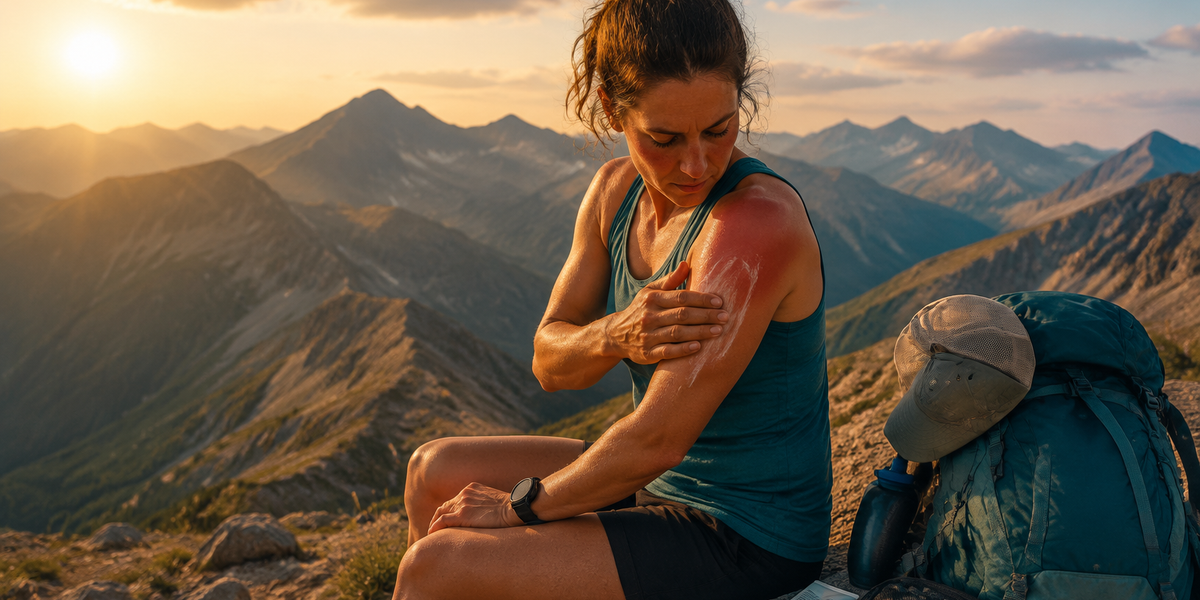
Sunburn appears as red, painful skin that's hot to the touch. First-degree sunburn affects only the outer skin layer and typically peaks 12-24 hours after exposure. Second-degree sunburn creates blisters and requires more aggressive treatment. You'll feel warmth radiating from the affected area, and the skin may feel tight or start to peel within 3-4 days.
Heat rash (prickly heat or miliaria) shows up as small red bumps or blisters, usually in areas where sweat gets trapped—under pack straps, waistbands, sports bras, or in skin folds. It feels intensely itchy or prickly, like tiny needles, and the bumps may be filled with clear fluid. Unlike sunburn, heat rash can develop in covered areas and doesn't require sun exposure.
💡 Pro Tip: Take photos of the affected area with your phone. This helps you track whether it's getting better or worse, and provides documentation if you need medical care later.
Immediate Treatment for Sunburn on Trail
Step 1: Get Out of the Sun
This sounds obvious, but many hikers try to push through. Stop immediately and find or create shade. If you're above treeline, use your tarp, rain jacket, or even the SOL Escape Lite Bivvy as an emergency sun shelter. The reflective interior can face outward to deflect heat while you treat the burn.
Step 2: Cool the Skin
Soak a bandana or buff in the coldest water available—stream water is ideal. Apply the cool compress to burned areas for 10-15 minutes, re-wetting as it warms. Never use ice directly on sunburned skin; the extreme cold can cause additional damage. If water is limited, focus cooling on high-impact areas like the back of your neck and tops of your ears.
Step 3: Hydrate Internally and Externally
Drink at least 16 oz of water immediately, then continue sipping throughout treatment. Sunburn pulls fluid to the skin's surface, leaving you dehydrated even if you're not sweating heavily. Apply aloe vera gel generously to all burned areas—don't rub it in aggressively, just smooth it on and let it absorb naturally.
Step 4: Protect from Further Damage
Once you've cooled and treated the burn, cover exposed skin before continuing. A lightweight long-sleeve sun shirt works better than repeatedly applying sunscreen to damaged skin. If your burn is severe enough that clothing contact is painful, you may need to consider cutting your hike short.
⚠️ Warning Signs Requiring Evacuation: Blistering covering more than 20% of your body, fever above 101°F, severe headache with nausea, confusion, or extreme pain that doesn't respond to over-the-counter pain relievers. These indicate second-degree burns or heat stroke and need medical attention.
Treating Heat Rash in the Backcountry
Cool and Dry the Area
Heat rash develops when sweat ducts get blocked and sweat becomes trapped under the skin. Your first priority is cooling the affected area and removing the source of moisture. If possible, remove tight clothing or pack straps. Air out the rash for 15-20 minutes in a shaded, breezy spot.
Clean Gently
If you have access to clean water, gently rinse the area to remove sweat, sunscreen, and dirt that may be clogging pores. Pat—don't rub—the skin dry with a clean bandana or microfiber towel. Rubbing can rupture the small bumps and increase infection risk.
Apply Anti-Itch Treatment
Calamine lotion or 1% hydrocortisone cream provides immediate itch relief and reduces inflammation. Apply a thin layer to the affected area. If you don't have these, a paste made from baking soda and water (if you're carrying it for cooking or odor control) can help reduce itching temporarily.
Prevent Friction
This is where Moleskin Blister Prevention Pads become unexpectedly useful. Cut a piece slightly larger than the rash area and apply it to the inside of your pack strap or waistband—not directly on the rash. This creates a smooth surface that prevents additional friction while the rash heals.
Adjust Your Layers
Switch to the most breathable, loose-fitting clothing you have. If your rash is under pack straps, redistribute weight to your hip belt or consider carrying your pack differently. Some hikers find that temporarily removing the pack's sternum strap provides enough relief to continue hiking comfortably.
💡 Pro Tip: Baby powder or cornstarch (if you're carrying it) can help keep affected areas dry, but apply sparingly—too much creates a paste when mixed with sweat.
Prevention Strategies That Actually Work
Sunburn Prevention Beyond SPF
Time Your Hiking: Start early to cover exposed terrain during lower UV hours (before 10 AM and after 4 PM). On long summer days, consider a midday siesta in the shade during peak sun intensity.
Reapply Religiously: Sunscreen loses effectiveness after 80-90 minutes of sweating or every two hours in dry conditions. Set a timer on your watch. Mineral sunscreens (zinc oxide, titanium dioxide) last longer and don't sting if they run into your eyes.
Strategic Clothing: A lightweight long-sleeve sun hoody with UPF 50+ protection works better than constant sunscreen reapplication. Wide-brimmed hats protect your face, ears, and neck—the most commonly burned areas on hikers.
Don't Forget Reflected UV: Snow, water, and light-colored rock reflect up to 80% of UV rays, burning the underside of your chin, nose, and ears. Apply sunscreen to these often-forgotten areas.
Heat Rash Prevention
Choose Moisture-Wicking Fabrics: Cotton holds moisture against your skin, creating the perfect environment for heat rash. Merino wool and synthetic hiking fabrics move moisture away from skin.
Adjust Your Pack Fit: A properly fitted pack distributes weight without creating pressure hotspots where sweat accumulates. If you're getting chronic heat rash under straps, visit an outfitter for a professional fitting.
Take Cooling Breaks: Every 60-90 minutes in hot weather, stop in the shade, remove your pack, and let your skin breathe for 5-10 minutes. This simple habit prevents most heat rash cases.
Stay Ahead of Sweat: Wipe down high-friction areas (neck, shoulders, waistline) with a damp bandana before sweat has a chance to accumulate and clog pores.
Advanced First Aid Kit Essentials
What to Carry for Sun and Heat Issues
A comprehensive but lightweight first aid kit should include:
| Criteria | Score |
|----------|-------|
| Sunburn Treatment Supplies | 8/10 |
| Heat Rash Remedies | 7/10 |
| Weight-to-Utility Ratio | 9/10 |
| Waterproof Protection | 10/10 |
The Adventure Medical Kits Ultralight Watertight .7 provides an excellent foundation, but customize it for hot-weather hiking:
Add:
- 4-6 aloe vera gel packets
- Small tube of hydrocortisone cream (1%)
- 2-3 packets of electrolyte replacement powder
- Ibuprofen or aspirin (reduces inflammation from sunburn)
- Sterile gauze pads (can be soaked for cooling compresses)
- Small bottle of after-sun lotion with moisturizers
✅ Pros:
- Watertight DryFlex bag keeps everything dry in any conditions
- Well-organized pockets make finding items quick in emergencies
- Includes comprehensive wound care for blisters and scrapes
- Only 7 oz base weight leaves room for customization
❌ Cons:
- Doesn't include sunburn-specific treatments out of the box
- Small size means frequent restocking on long trips
- Zipper can be stiff when new (breaks in after a few uses)
When to Cut Your Hike Short
Knowing when to turn back is a critical backcountry skill. Continue hiking with caution if:
- Sunburn is limited to small areas and responds well to aloe/cooling
- Heat rash is localized and you can eliminate the friction source
- You're able to maintain normal hydration and aren't feeling dizzy or nauseous
- Pain is manageable with over-the-counter medication
Head back immediately if:
- Blistering covers large areas of skin
- You develop a fever, chills, or severe headache
- Confusion, disorientation, or unusual fatigue sets in (signs of heat exhaustion/stroke)
- The affected area shows signs of infection (increasing redness, warmth, pus, red streaks)
- You're unable to keep up with your normal hiking pace due to pain
There's no shame in cutting a trip short to prevent a minor issue from becoming a medical emergency requiring rescue. We've bailed on summit attempts for exactly this reason, and we've never regretted prioritizing safety.
Frequently Asked Questions
Can I still hike with sunburn or heat rash?
Yes, with modifications. For mild sunburn, cover the affected area completely with UPF-rated clothing and continue hiking during cooler hours. Heat rash requires eliminating the friction source—adjust your pack, change layers, or reduce mileage to allow frequent cooling breaks. Monitor both conditions closely; if they worsen despite treatment, it's time to exit.
How long does heat rash take to heal on trail?
Mild heat rash typically clears within 24-48 hours if you can eliminate the sweat and friction that caused it. This often means taking a zero day or switching to much lighter mileage. Moderate cases may take 3-5 days. If the rash doesn't improve after two days of treatment, consider it a sign to get off trail—continuing often leads to infection.
Is it safe to apply sunscreen over sunburned skin?
Not immediately. Sunburned skin is damaged and hypersensitive; sunscreen can sting and potentially irritate further. Wait 12-24 hours and use clothing protection instead. Once the initial inflammation subsides, you can apply mineral sunscreen very gently to prevent additional damage, but physical barriers (clothing, hats) work better.
What's the best way to sleep with sunburn in a sleeping bag?
Wear loose, moisture-wicking long sleeves and pants to create a barrier between burned skin and your sleeping bag fabric. Apply aloe gel before bed. If your back is burned, try sleeping on your side with your pack as a cushion to prevent rolling onto your back. The SOL Escape Lite Bivvy can be used as a top layer to prevent sleeping bag friction.
Can I prevent heat rash if I sweat heavily no matter what?
Yes, but it requires proactive management. Use antiperspirant (not just deodorant) on high-friction areas the night before hiking—this reduces sweat production in problem zones. Apply body glide or similar anti-chafe products under pack straps. Most importantly, take frequent "air breaks" to let skin dry before sweat accumulates enough to block pores.
Final Thoughts
Sunburn and heat rash don't have to ruin your hiking adventures, but they demand respect and immediate attention. The difference between a minor inconvenience and a trip-ending injury often comes down to recognizing symptoms early and having the right supplies on hand.
We've found that investing in quality sun protection (clothing, hats, sunscreen) and a well-stocked first aid kit pays dividends on every single hike. The few extra ounces of aloe gel and hydrocortisone cream have saved us from days of misery more times than we can count.
Remember: prevention beats treatment every time. Start your hikes early, cover up during peak sun, and listen to your body when it tells you to take a break. Your skin—and your hiking season—will thank you.
Now get out there, stay covered, and enjoy those trails safely.
Editor's Choice
Adventure Medical Kits Ultralight Watertight .7 First Aid Kit — The most comprehensive lightweight first aid solution for backcountry hiking, with watertight protection and room to add sun-specific treatments.
SOL Escape Lite Bivvy Emergency Sleeping Bag — Essential emergency gear that doubles as an emergency sun shelter when you need to treat heat-related injuries above treeline.
Moleskin Blister Prevention Pads — Versatile protection that works for blisters, sunburn friction points, and creating barriers over healing heat rash.