Disclosure: As an Amazon Associate, HikePod earns from qualifying purchases at no extra cost to you.
⭐ Our Top Pick
🏆 Best Overall: Adventure Medical Kits Ultralight Watertight .7 — watertight protection and comprehensive wound/blister/sprain coverage at only 7 oz.
💰 Best Value: Adventure Medical Kits Ultralight Watertight .7 — $35 gets you a complete foundation kit that covers the most common backcountry injuries.
Introduction
When you're two days into a backcountry trip and miles from the nearest trailhead, a well-stocked first aid kit shifts from "nice to have" to "potentially life-saving." We've compiled this wilderness first aid checklist based on recommendations from wilderness medicine organizations, verified buyer experiences, and manufacturer specifications to help you pack the right medical supplies for multi-day adventures.
Unlike day hikes where evacuation is measured in hours, multi-day trips require you to stabilize injuries and manage medical issues for 24-48 hours or longer before reaching definitive care. Your kit needs to handle everything from blisters and cuts to fractures, allergic reactions, and environmental injuries. If you're also preparing for wildlife encounters in bear country, our guide on what to do if you encounter a snake, bear, or mountain lion on the trail covers the prevention and response strategies that complement your medical preparation.
This checklist is organized by medical priority: wound management, trauma stabilization, medications, and environmental protection. We'll show you exactly what to pack, why each item matters, and how to organize your kit for quick access when seconds count.
What to Look For
Watertight Protection — River crossings, rain storms, and pack submersion happen. Your medical supplies must stay dry. Look for kits with sealed bags or waterproof cases, or add your own dry bag as a secondary barrier. Wet gauze and disintegrating medication packaging won't help anyone.
Weight-to-Coverage Ratio — Every ounce matters on multi-day trips, but cutting corners on medical gear is false economy. Prioritize versatile supplies that treat multiple conditions (triangular bandages work as slings, wraps, or tourniquets) over single-use specialty items. A good wilderness kit weighs 8-16 oz for solo travelers, 12-24 oz for groups.
Trauma Capabilities Beyond Band-Aids — Pre-packaged first aid kits often focus on minor cuts and scrapes. Multi-day wilderness kits need trauma supplies: pressure dressings for severe bleeding, splinting materials for fractures, irrigation for wound cleaning, and hemostatic agents for injuries that won't stop bleeding with direct pressure alone.
Medication Redundancy — Pack prescription medications in both your first aid kit and a separate backup location. Include pain management (ibuprofen and acetaminophen work through different pathways), antihistamines for allergic reactions, anti-diarrheals, and any personal prescriptions with 2-3 extra days' supply. Altitude sickness medication (acetazolamide) is essential for trips above 8,000 feet.
Organized Accessibility — In an emergency, you can't waste time dumping your entire pack to find medical supplies. Use a brightly colored stuff sack or case that's visible in your pack. Organize by category with clear labeling. Practice accessing your kit with cold hands and in low light before your trip.
Group Size Scaling — Solo travelers need enough supplies to self-treat and signal for help. Groups of 3-6 need expanded quantities of common items (more gauze, more tape, more pain medication) plus redundancy in critical supplies like pressure dressings and hemostatic agents. One comprehensive kit per group, not individual minimal kits.
Wound Management Essentials
Wound management forms the foundation of wilderness first aid. Backcountry injuries often involve contamination from dirt, vegetation, or water, making infection prevention your top priority alongside bleeding control.
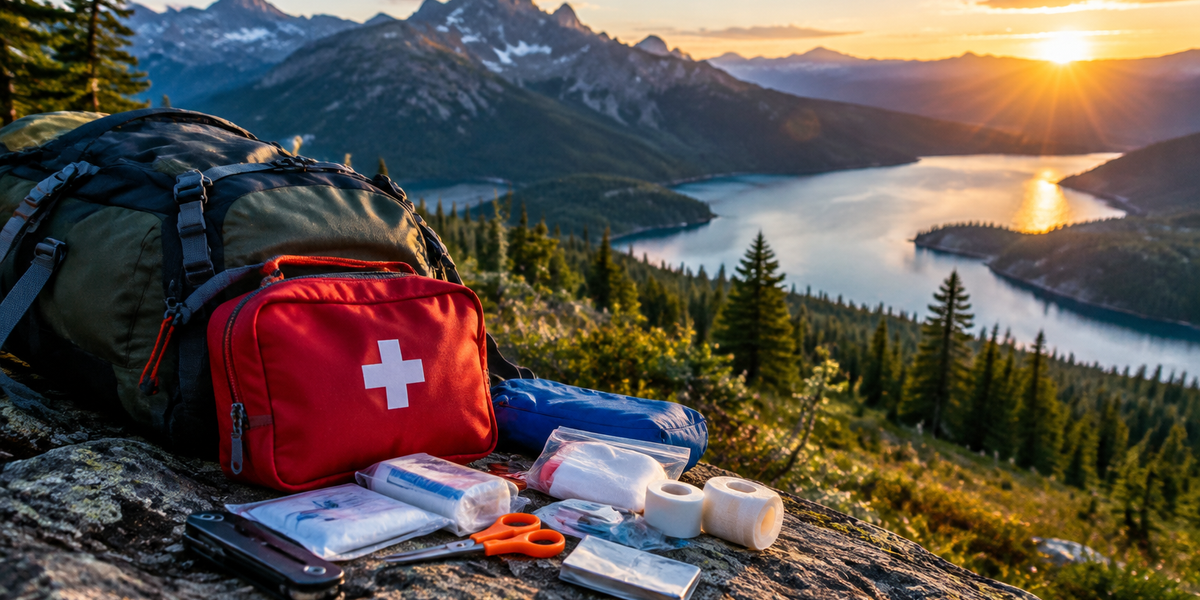
Gauze pads (4x4 and 2x2 sizes, at least 10 of each) handle everything from covering abrasions to packing deep wounds. Non-adherent pads prevent the gauze from sticking to wounds during dressing changes. Rolled gauze (2-inch width, 2-3 rolls) secures dressings and creates pressure wraps. Adhesive tape (1-inch cloth or paper tape, one full roll) holds dressings in place and reinforces bandages on mobile joints.
Antiseptic wipes (alcohol or povidone-iodine, 10-15 packets) clean intact skin around wounds before bandaging. Antibiotic ointment (single-use packets, 5-10) prevents infection in cleaned wounds. Irrigation syringe (18-gauge, at least 30ml capacity) flushes debris from wounds—irrigation is more effective than wiping for contaminated injuries.
Butterfly closures or wound closure strips (6-10 strips) approximate wound edges for cuts that would normally receive stitches. They won't hold gaping wounds closed, but they reduce scarring and speed healing for clean lacerations. Super glue (cyanoacrylate) in medical-grade form works as an alternative for small cuts on fingertips or other high-movement areas where tape won't stay.
💡 Pro Tip: Pre-cut several lengths of tape (2-3 inches each) and stick them to the inside of your first aid kit case before trips. When you're treating an injury with one hand or in bad weather, you won't fumble with scissors and tape rolls.
Trauma and Musculoskeletal Supplies
Fractures, dislocations, and severe bleeding require stabilization supplies that go beyond typical first aid kits. These items buy you time to evacuate or reach definitive medical care.
SAM splint (36-inch moldable aluminum/foam splint) immobilizes fractures and severe sprains in any body location. It weighs 4 oz and folds flat. Practice splinting techniques before your trip—trying to figure out finger splinting while someone's in pain wastes critical time. Elastic bandages (3-inch ACE wrap, 2 rolls) compress sprains, secure splints, and create pressure dressings.
Triangular bandage (40-inch, 2 minimum) functions as an arm sling, head wrap, tourniquet backing, or improvised stretcher component. The versatility makes it essential for multi-day trips. Duct tape (wrapped around a trekking pole or water bottle, 6-10 feet) reinforces splints, repairs gear, and secures dressings when you've run out of medical tape.
Hemostatic gauze (QuikClot or Celox, 1 packet) stops severe arterial bleeding that doesn't respond to direct pressure alone. It's expensive ($15-30 per packet) but can prevent someone from bleeding to death from a deep laceration before evacuation. Store it in an easily identifiable package—you need to grab it instantly in a severe bleeding emergency.
Tourniquet (CAT or SOFTT-W, 1) is the last resort for life-threatening extremity bleeding that won't stop with direct pressure and hemostatic agents. Proper tourniquet application requires training—take a Wilderness First Responder course if you're leading group trips. For solo travelers, consider whether the weight (2-3 oz) and cost ($25-35) justify inclusion based on your trip's objective hazards.
Medications and Pharmaceuticals
| Criteria | Score |
|----------|-------|
| Coverage Breadth | 9/10 |
| Pack Weight | 8/10 |
| Accessibility | 9/10 |
| Weather Protection | 10/10 |
The Adventure Medical Kits Ultralight Watertight .7 includes a solid medication foundation, but you'll want to supplement with additional quantities and specific drugs based on your trip length and group size.
Pain management: Ibuprofen (200mg tablets, 20-30) reduces inflammation and pain. Acetaminophen (500mg tablets, 20-30) works through a different mechanism and can be combined with ibuprofen for severe pain. Both are more effective than either alone. Prescription pain medication (if you have it) for severe injuries during evacuation.
Antihistamines: Diphenhydramine (Benadryl, 25mg, 10-15 tablets) treats allergic reactions from plants, insect stings, and food. It causes drowsiness—use it at night or when you're not traveling. Loratadine (Claritin, 10mg, 5-10 tablets) is non-drowsy for daytime allergies. Carry both options.
Gastrointestinal: Loperamide (Imodium, 2mg, 10 tablets) stops diarrhea, critical when you're losing hydration faster than you can replace it. Antacids (calcium carbonate, 10 tablets) treat heartburn and indigestion from camp food. Oral rehydration salts (2-3 packets) replace electrolytes lost to vomiting or diarrhea.
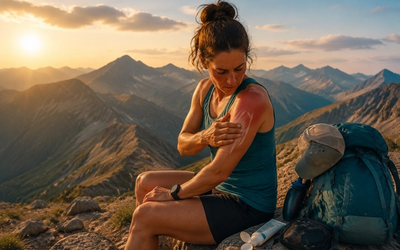
Topical treatments: Hydrocortisone cream (1%, single-use packets, 3-5) reduces inflammation from rashes and insect bites. Moleskin or Leukotape (6x6 inch sheet) prevents and treats blisters—cut it to size and apply before hot spots become full blisters. For detailed guidance on managing heat-related skin issues in the backcountry, see our article on how to treat sunburn and heat rash on the trail.
Altitude and environment: Acetazolamide (Diamox, 125mg, prescription required, 6-10 tablets) prevents and treats altitude sickness above 8,000 feet. Aspirin (325mg, 4 tablets) thins blood to reduce clotting risk at altitude and can be used in heart attack emergencies. Sunscreen (SPF 30+, travel size) and lip balm with SPF prevent burns at high elevation.
Personal prescriptions: Bring your full trip supply plus 2-3 extra days in case evacuation delays return. Split critical medications between your first aid kit and a backup location (pack lid pocket or partner's kit) in case one is lost or damaged.
✅ Pros:
- Watertight DryFlex bag keeps medications dry in all conditions
- Comprehensive wound and blister treatment supplies included
- Pre-organized by injury type for quick access
❌ Cons:
- Medication quantities sufficient for 2-3 days only—longer trips need supplementation
- No trauma supplies (SAM splint, hemostatic gauze, tourniquet)
Packaging and Organization Strategy
How you organize your first aid kit affects whether you can actually use it under stress. We've found that category-based organization with clear labeling beats alphabetical or random packing every time.
Primary container: Use a brightly colored dry bag or waterproof pouch (8-12L capacity for comprehensive kits). Red or orange stands out in a pack dump. The Osprey Atmos AG 65 features a dedicated top pocket that keeps your first aid kit accessible without digging through your main compartment—critical when someone's injured and you're working fast.
Internal organization: Subdivide with clear ziplock bags by category: wound care, medications, trauma supplies, tools. Label each bag with a permanent marker. In an emergency at night or in bad weather, you can hand someone a bag and say "get the wound care bag" without both of you searching through loose supplies.
Quick-access items: Keep the most time-sensitive supplies in an outer pocket or the top of your kit: hemostatic gauze, pain medication, antihistamines, gloves. Items you'll likely use (moleskin, ibuprofen, band-aids) go in a separate small pouch in your pack's hip belt pocket so you don't contaminate or disorganize the main kit for minor issues.
Documentation: Include a laminated card with emergency contact numbers, medical information for your group (allergies, medications, conditions), and basic treatment protocols for severe injuries. Add a pencil and small notepad to document what happened, when, what you did—this information helps rescuers and doctors later.
Inventory list: Tape a complete contents list to the inside of your kit container. Check it before every trip and restock immediately after using supplies. The middle of an emergency is not when you want to discover you used your last hemostatic gauze packet on the previous trip and forgot to replace it.
Tools and Accessories
Trauma shears (7-inch EMT scissors) cut through clothing, backpack straps, and bandages without injuring the patient further. Regular scissors don't work on wet fabric or heavy materials. Tweezers (fine-point) remove splinters, ticks, and debris from wounds. Safety pins (assorted sizes, 6-10) secure bandages and slings.
Nitrile gloves (non-latex, 4-6 pairs) protect both you and the patient from cross-contamination. Pack extras—they tear easily on sharp objects and rough terrain. CPR face shield (1) provides a barrier for rescue breathing. Thermometer (digital, 1) helps diagnose fever and hypothermia—temperature is a critical vital sign.
Irrigation syringe (18-gauge, 30-60ml, 2) flushes wounds effectively. A larger syringe or even a hydration bladder cleaning bulb works too. Headlamp (kept with first aid kit as backup) enables night treatment. Emergency whistle (kept with first aid kit) signals for help if you're injured and separated.
💡 Pro Tip: Pack a pair of emergency nitrile gloves in your pocket at the start of each hiking day. If someone gets injured on the trail, you won't waste time running back to your pack while they're bleeding.
Group Considerations and Trip Length Scaling
Solo travelers need enough supplies to self-treat and stabilize for evacuation, plus redundancy in critical items (you can't apply a pressure dressing to your own arterial bleeding effectively—but you need the supplies in case you can). For a 3-day solo trip, the base kit described above works well.
Groups of 3-6 need one comprehensive shared kit rather than each person carrying a minimal kit. Scale up quantities: 20+ gauze pads, 5+ rolls of tape, 50+ pain medication tablets, 3-4 elastic wraps, 2 SAM splints. Add communication equipment (satellite messenger, two-way radios) so one person can treat the patient while another calls for evacuation.
Trips longer than 5 days need medication resupply. Double your wound care supplies and triple your medications. Consider adding prescription antibiotics (if your doctor will prescribe them) for infections that develop days into a trip. Add foot care supplies beyond moleskin: tincture of benzoin to help tape stick, blister drainage supplies, extra socks.
Technical terrain (scrambling, glacier travel, whitewater) increases trauma risk. Add a second tourniquet, more hemostatic gauze, extra SAM splints, and consider a vacuum splint for complex fractures. Take a Wilderness First Responder course before attempting this terrain—the gear is useless without training.
Winter trips need cold injury supplies: chemical hand warmers, extra insulation, thermometer that reads below freezing, and knowledge of frostbite treatment. Summer trips in hot climates need extra hydration supplies, more sunscreen, and heat illness protocols.
Frequently Asked Questions
How much should a wilderness first aid kit weigh for a 3-day trip?
For solo travelers, 8-12 oz covers the essentials. Groups of 3-6 should carry a shared kit weighing 16-24 oz. Technical terrain or trips longer than 5 days push this to 24-32 oz. Don't sacrifice critical supplies to save 4 oz—a comprehensive kit is lighter than evacuating someone because you couldn't stabilize their injury.
Can I use a regular home first aid kit for backpacking?
Home kits lack wilderness-specific supplies like irrigation syringes, SAM splints, and hemostatic agents. They're built for minor injuries with quick access to hospitals, not for stabilizing trauma 20 miles from a trailhead. You can start with a home kit and add wilderness items, but pre-made wilderness kits like the Adventure Medical Kits Ultralight Watertight .7 give you better baseline coverage and proper organization.
Do I need prescription medications in my wilderness first aid kit?
Yes, if you take any daily medications. Bring your full trip supply plus 2-3 extra days in case of evacuation delays. For altitude above 8,000 feet, consider asking your doctor for acetazolamide (Diamox) to prevent altitude sickness. Some doctors will prescribe antibiotics for extended wilderness trips where infection could develop days away from medical care. Never carry someone else's prescription medications.
How often should I replace first aid kit supplies?
Check expiration dates on medications every 6 months and before every trip. Replace expired items immediately. Inspect wound care supplies (gauze, tape, ointments) annually for package integrity. After any trip where you used supplies, restock before your next outing—don't trust your memory weeks later. Keep a permanent inventory list taped inside your kit to track what needs replacement.
Should I take a wilderness first aid course before a multi-day trip?
Absolutely. A Wilderness First Aid (WFA) course teaches you to use the supplies in your kit effectively. Wilderness First Responder (WFR) is better for leading groups or technical trips. The gear is useless without knowledge—you won't figure out how to reduce a dislocated shoulder or splint a femur fracture by reading package instructions during an emergency. Most courses run 2-3 days and cost $200-400, worth every dollar when you're hours from definitive care.
Final Thoughts
Building a comprehensive wilderness first aid kit for multi-day trips requires balancing weight against capability, cost against preparedness, and universal supplies against trip-specific needs. The checklist above covers the medical supplies you need to stabilize injuries and manage medical issues for 24-48+ hours in the backcountry.
Start with a quality foundation kit like the Adventure Medical Kits Ultralight Watertight .7, then customize based on your trip length, group size, terrain, and personal medical needs. Organize supplies by category in a brightly colored waterproof container that you can access quickly under stress. Practice using your kit before emergencies—the middle of a crisis is not when you want to learn wound irrigation technique.
Most importantly, take a wilderness first aid course. The best-stocked kit in the world won't help if you don't know how to use it. Your first aid knowledge and your medical supplies work together to keep you and your group safe miles from the nearest hospital.
Editor's Choice
Adventure Medical Kits Ultralight Watertight .7 — the best foundation kit for multi-day trips, with comprehensive wound and blister coverage in a watertight 7 oz package that won't weigh you down.
Osprey Atmos AG 65 Backpacking Pack — when you're carrying comprehensive medical gear for 3+ day trips, this pack's organized storage and Anti-Gravity suspension keeps your first aid kit accessible and your back comfortable.
Osprey Talon 22 Hiking Daypack — for overnight and shorter multi-day trips, the external pocket organization and 1.06 lb weight make it easy to keep your first aid supplies accessible without sacrificing comfort.